About this audiobook
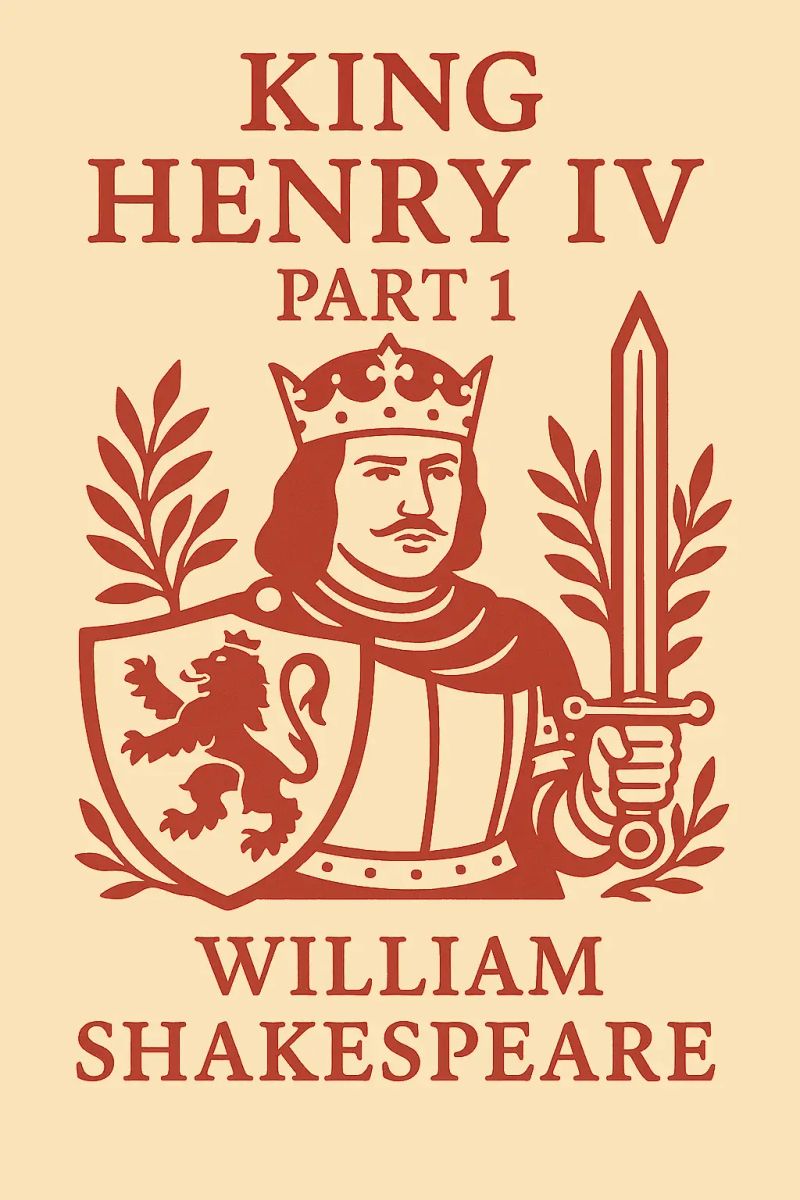
William Shakespeare's Henry IV, Part One, likely composed circa 1597–1598, sits squarely within the late Elizabethan history-play tradition that sought to crystallize national memory and political legitimacy on the public stage. Shakespeare, a principal dramatist of the Lord Chamberlain's Men (later the King's Men), wrote in Early Modern English, blending the elevated cadence of blank verse with the quick, vernacular speech of soldiers and citizens. The play turns on dynastic history, the education of Prince Hal into a capable king, and the tension between rebellion and obedience within a fractured, post–War of the Roses England. Its dramatic language moves between ceremonial orations that invoke sacred and national vocation and the rougher, improvisational wit of Falstaff and his companions, signaling Shakespeare's mastery of multiple tones within a single narrative frame. First published in a 1598 quarto, the work belongs to a print culture that rapidly circulated new plays and helped consolidate Shakespeare's reputation as a national playwright; it would later be reframed in the First Folio as part of the broader history cycle, reinforcing a tradition that fused public ceremonial with intimate character study.
From the opening scenes, the text probes how sovereignty is earned and proven, revealing a prince who oscillates between roguish exuberance and a sense of public duty. The excerpt shows the fusion of grandiose war rhetoric with bawdy, streetwise humor, as the characters ply a market of loyalties, boasts, and mortally serious outcomes beneath a language that can consecrate crusade even as it licenses theft and mockery. The play advances a nuanced portrait of leadership: Hal must discipline his appetite for pleasure and power, learning to reconcile personal identity with the demands of kingship, while Falstaff embodies a critical countermodel of charisma without duty. This negotiation between appetite and obligation, performative kingship and moral seriousness, became a hallmark of Shakespeare's history plays and influenced later dramatic representation of political power. The work's dialogic texture—alternating between high ceremonial rhetoric and low comic chatter—also helped shape English drama's capacity to blend national mythmaking with social critique, a pattern echoed in later periods' histories and in modern adaptations that continue to explore legitimacy, memory, and the performative nature of rule.