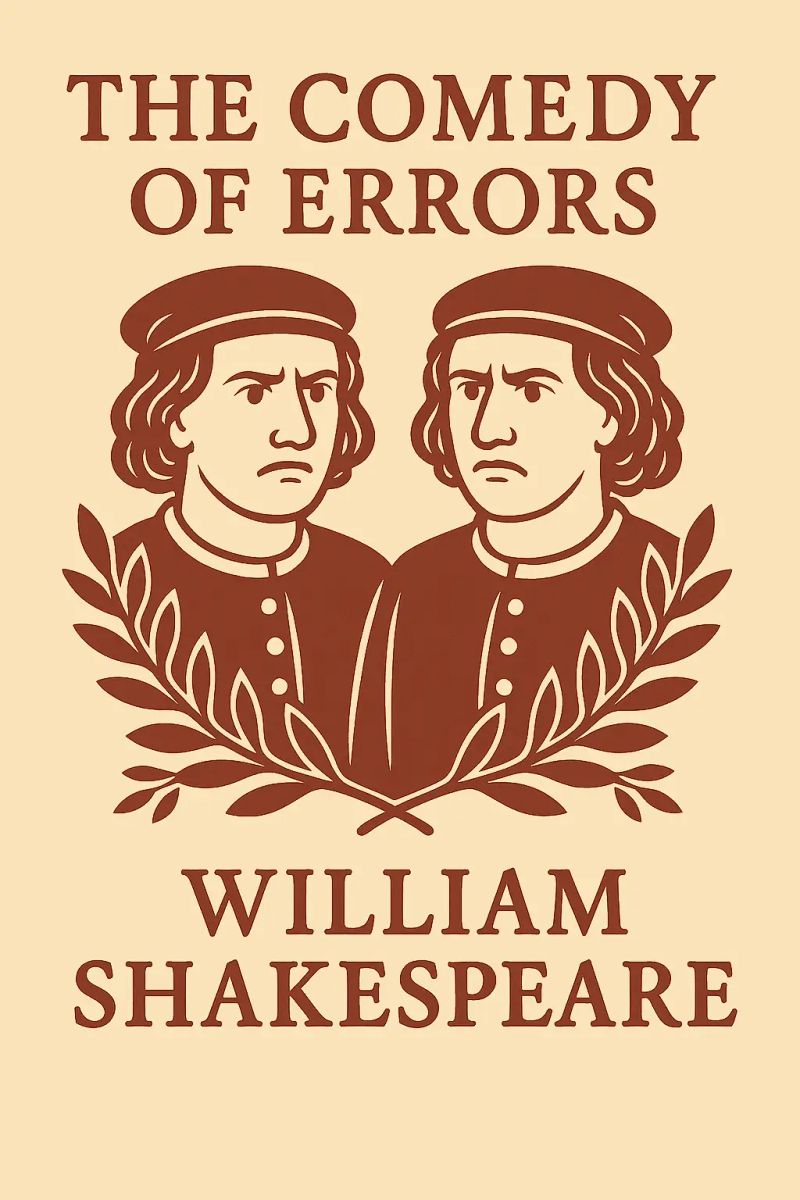
William Shakespeare’s The Comedy of Errors is an early Elizabethan stage comedy written in English during the first phase of his career, when he was consolidating his reputation in London’s commercial theatre. Although commonly dated by scholars to the early 1590s and likely performed for public and possibly courtly audiences, the play first appeared in print in the 1623 First Folio, the posthumous collected edition that helped stabilize Shakespeare’s dramatic canon and textual transmission. Its dramaturgy bears the marks of humanist grammar-school training and Renaissance classicism, adapting Roman comic models—especially Plautus—into a fast-paced English farce shaped by the performance conditions and tastes of late-sixteenth-century playgoers.