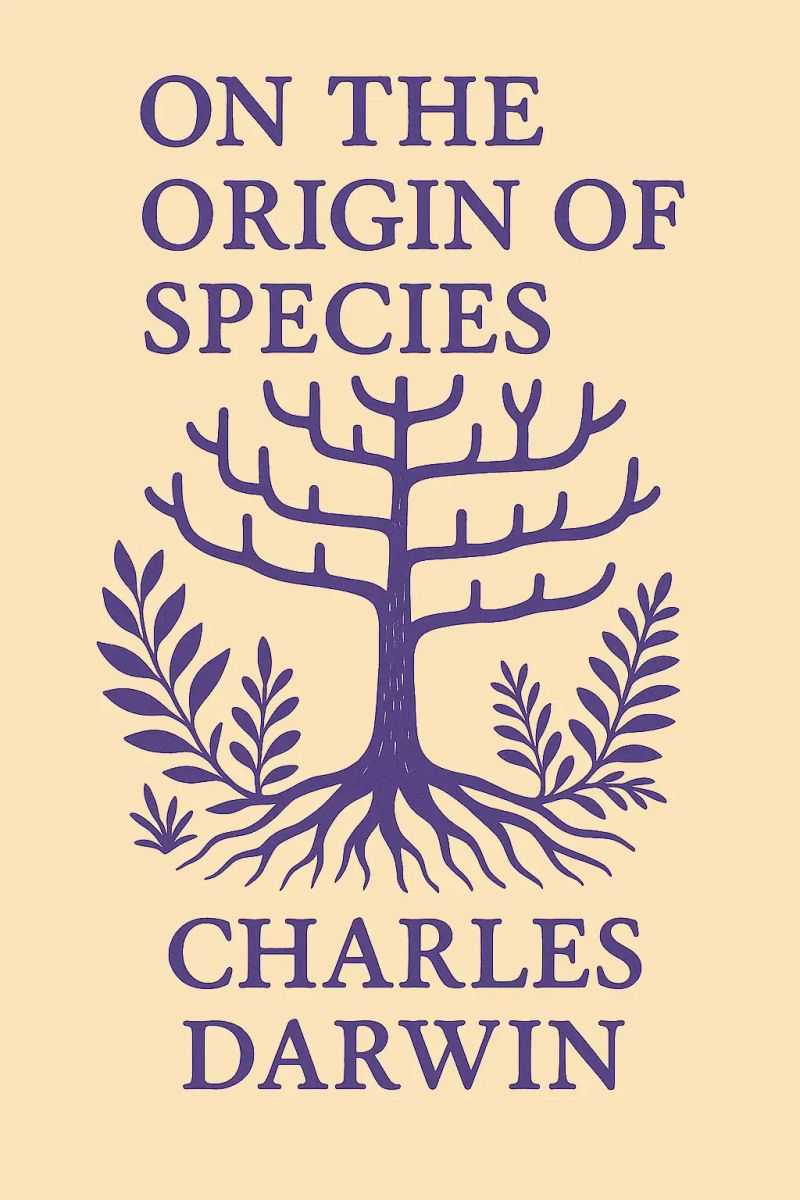
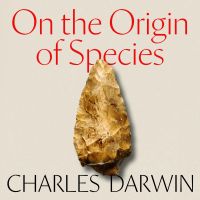
Charles Darwin’s On the Origin of Species, first published in 1859, emerged during a period of intense scientific curiosity and rapid advances in natural history. Victorian England was experiencing the transformative effects of the Industrial Revolution, expanding global exploration, and growing interest in the classification and understanding of the natural world. Darwin, having studied theology at Cambridge but drawn deeply to natural science, developed his ideas over more than two decades, notably shaped by his five-year voyage on HMS Beagle (1831–1836). Observations of geological formations, fossil records, and biodiversity—particularly in the Galápagos Islands—led him to question the fixity of species, challenging prevailing Creationist and static biological views.
The book introduced the groundbreaking concept of natural selection as the primary mechanism driving the diversity of life, emphasizing variation, competition, and adaptation to environments. While couched in cautious language to deflect controversy, it sparked intense debate in scientific, religious, and public spheres, influencing not only biology but philosophy, anthropology, and sociology. Darwin’s meticulous collation of evidence from multiple disciplines lent the work authority and encouraged a new, evidence-based approach to studying life. On the Origin of Species remains a cornerstone of evolutionary biology, reshaping humanity’s understanding of its place in nature and inspiring subsequent generations of scientists and thinkers worldwide.