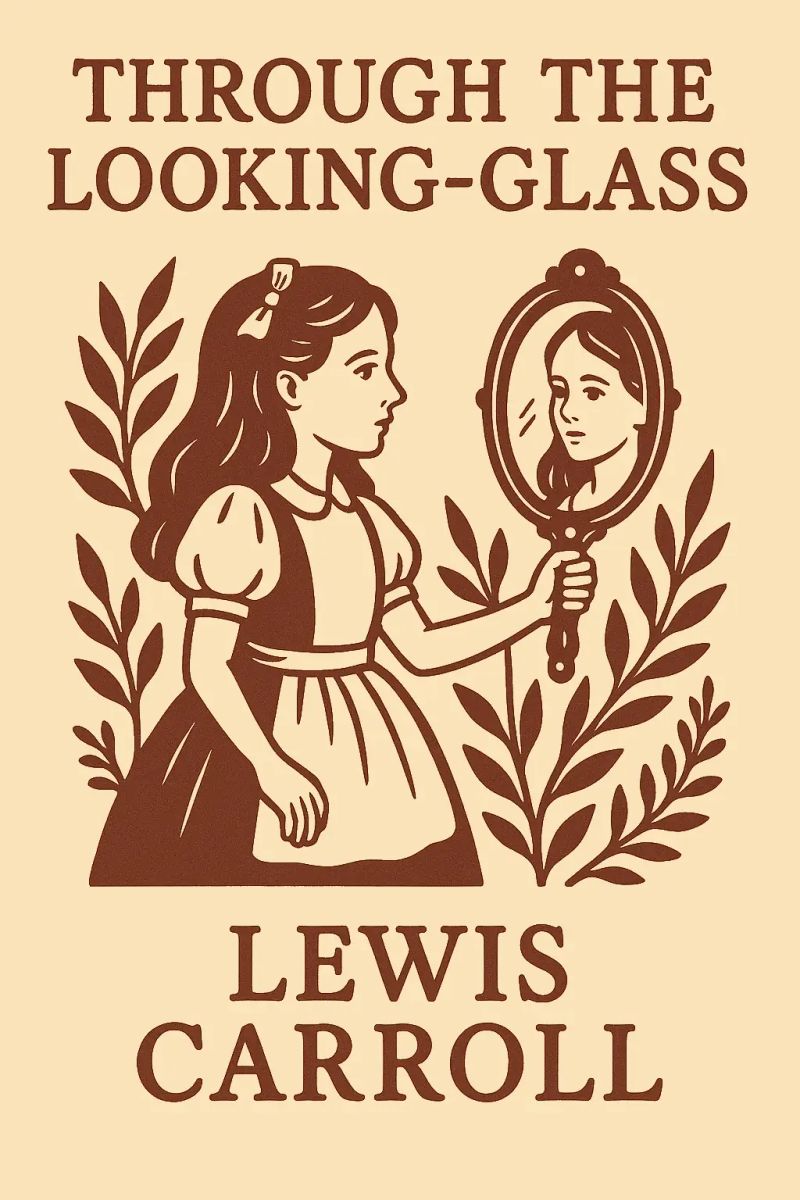
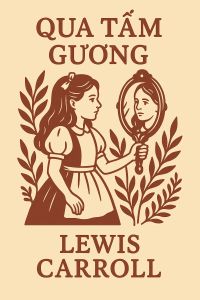
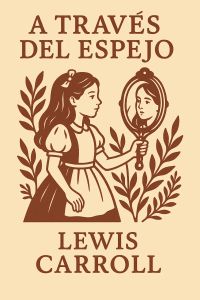
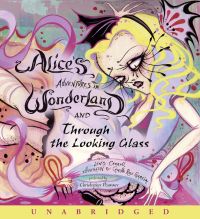
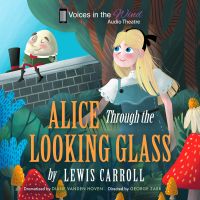
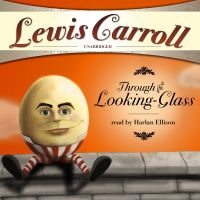
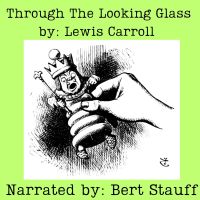
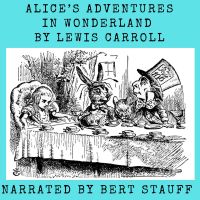
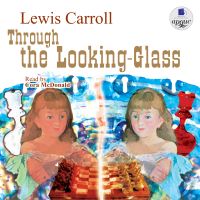
Lewis Carroll, the pseudonym of Charles Lutwidge Dodgson, was a Victorian mathematician and Oxford don who forged a career as a writer of popular children's fiction alongside serious scholarly work. Through the Looking-Glass, and What Alice Found There appeared in 1871 as the sequel to Alice's Adventures in Wonderland (1865) and was illustrated by John Tenniel, whose engravings helped shape the book's iconic, almost diagrammatic sense of a world governed by rules. Composed in English within the print culture of late nineteenth‑century Britain, the work reflects Carroll's fascination with logic, wordplay, and the performative nature of language, while extending the Wonderland conceit into a chessboard‑like universe in which passages between rooms and realms can be crossed by crossing a boundary in a mirror. Read alongside its predecessor, it marks a transition from the exuberant nonsense of early Victorian children's fantasy to a more self‑conscious laboratory of linguistic and formal experimentation, produced at a time when mass literacy and illustrated periodicals transformed how such texts circulated.
At a thematic level, the Looking-Glass book probes translation between worlds, the fragility of personal identity, and the performative nature of authority. The mirrored realm inverses social hierarchies and causal relationships, while Alice’s repeated invocations of pretend play—most famously the directive to imagine oneself as a chess piece or to pretend the glass is soft enough to pass through—renders fiction itself as a tool for thinking. The episodic sequence, its living chessmen and moving rooms, embodies a formal experiment in game‑driven narrative and linguistic invention that would influence later fantasy and metafiction. The work’s enduring impact on readers and writers is evident in its hybrid status: it remains a cornerstone of English literary culture, cited for its innovations in language and logic, and its technique of fusing speculative wonder with rigorous, often paradoxical, argument has influenced later traditions of fantasy, children's literature, and experimental prose.