Henry James’s The Beast in the Jungle is a short novel (often classed as a long tale) first published in 1903, during the author’s mature late phase after decades of transatlantic life between the United States and Europe. Written in English and originally appearing in periodical form before book publication, it exemplifies James’s turn-of-the-century refinement of psychological realism: an intensified interior focus, syntactically elaborate narration, and a social world rendered with minute attention to nuance. The text circulated widely in early twentieth-century editions, including the 1915 Martin Secker printing referenced in the excerpt, which helped consolidate James’s standing in Britain during the years leading up to and following his final naturalization as a British subject in 1915.
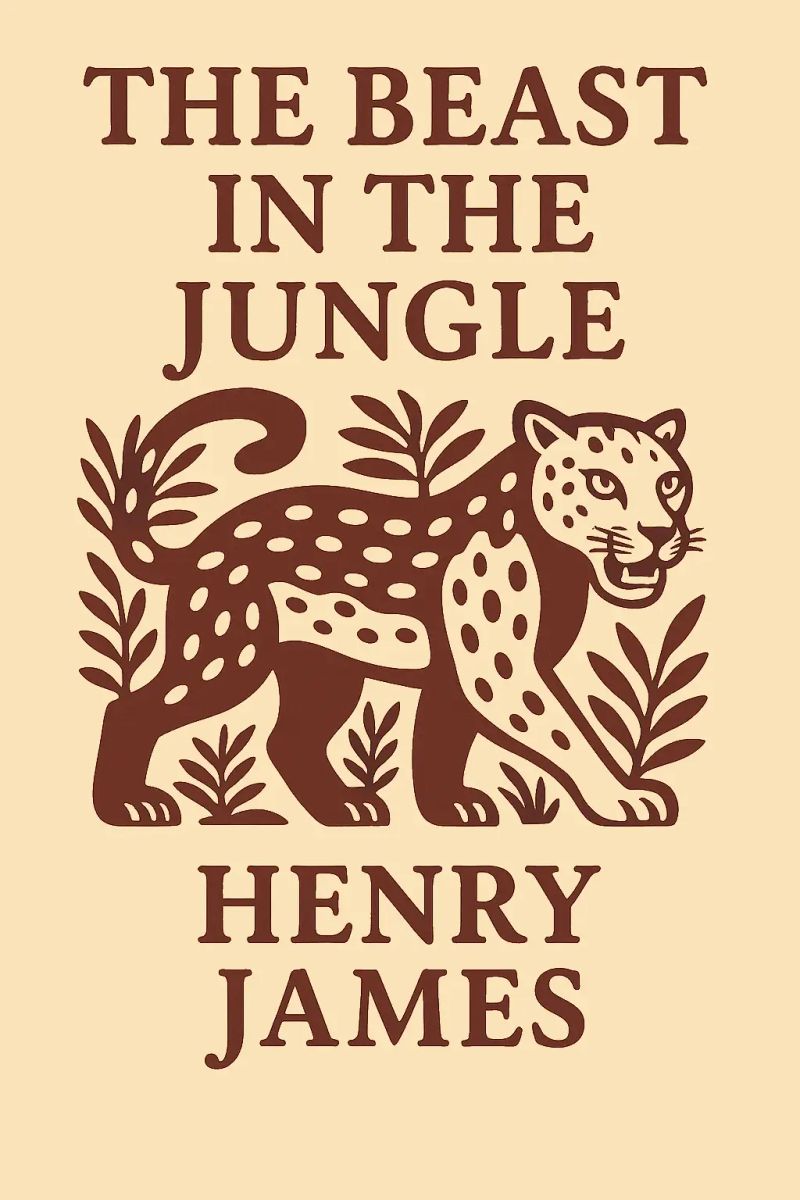
The narrative centers on John Marcher’s conviction that an extraordinary, catastrophic event awaits him—an expectation that becomes the governing fiction of his life—and on his relationship with May Bartram, who functions as confidante, witness, and moral counterpoint. James uses this premise to anatomize self-absorption, deferred living, and the seductions of exceptionalism, converting the “beast” into a metaphor for unrealized experience and the tragic clarity that arrives only when time has already been squandered. The tale’s influence has been substantial in modernist and later criticism for its portrayal of consciousness as destiny and for its bleak reversal of romantic plot into an ethics of attention: the catastrophe is not what happens to the protagonist, but what fails to happen because he cannot fully apprehend the claims of ordinary human intimacy.