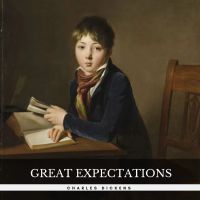
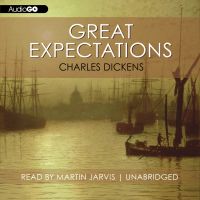
Great Expectations is a novel by the English writer Charles Dickens, first published in weekly instalments in the Victorian periodical All the Year Round from December 1860 to August 1861, and issued shortly thereafter in three volumes. Written in English during Dickens’s mature phase, it reflects the author’s long engagement with the social and legal institutions of nineteenth-century Britain, as well as his characteristic interest in childhood experience and the formation of character under pressure. Emerging amid rapid industrial and urban change, the novel also bears the marks of contemporary debates about crime, punishment, class mobility, and the moral legitimacy of wealth, debates sharpened by the era’s evolving penal system and expanding print culture.
Structured as a first-person Bildungsroman, the narrative traces Pip’s movement from impoverished rural origins toward an imagined gentility, exposing the psychological costs of aspiration and the ethical ambiguities of “self-improvement.” Dickens interweaves motifs of guilt, gratitude, coercion, and misrecognition, using the convict Magwitch, the reclusive Miss Havisham, and the enigmatic Estella to dramatize how personal identities are shaped by hidden histories and unequal power. The novel’s dense symbolism—marshes, chains, decaying mansions, and the theatricality of social performance—supports a sustained critique of class ideology and the conflation of money with moral worth. Widely influential in the development of the English realist tradition, Great Expectations has remained central to Dickens’s reputation and has generated extensive critical commentary and adaptation, particularly for its narrative voice, its revision of romantic plot expectations, and its enduring examination of desire, shame, and social fabrication.