About this audiobook
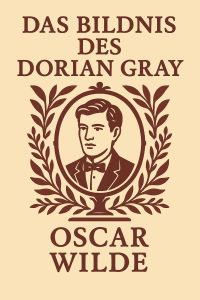
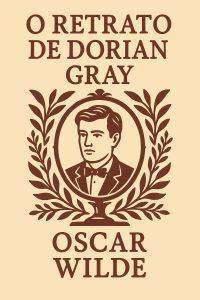
Oscar Wilde’s The Picture of Dorian Gray, written in English at the fin de siècle, first appeared in 1890 in Lippincott’s Monthly Magazine and was expanded into book form in 1891. Emerging from Wilde’s distinctive position as an Anglo-Irish dramatist, essayist, and public exponent of aestheticism, the novel participates in late-Victorian debates over art, morality, and social decay, while also drawing on Gothic and decadent traditions. Its initial reception was marked by controversy, with reviewers attacking its perceived immorality and coded sexual transgression; Wilde revised and prefaced the 1891 edition, sharpening its aesthetic program while negotiating the period’s norms of propriety and censorship.
The narrative’s central conceit—a portrait that registers the corruption of its sitter while the man remains outwardly unblemished—serves as a formal device for interrogating hedonism, conscience, and the ethical costs of self-fashioning. Through the triangulated relationship among Dorian Gray, Basil Hallward, and Lord Henry Wotton, Wilde stages rival theories of art and life: art as revelation and vulnerability, art as amoral stimulus, and beauty as an instrument of power and evasion. The novel’s epigrammatic style, theatrical dialogue, and symbolic economy helped define literary decadence in English and exerted lasting influence on modern treatments of doubleness, celebrity, and the aesthetics of transgression, becoming a touchstone for later Gothic fiction, queer readings of Victorian culture, and adaptations across stage and screen.