About this audiobook
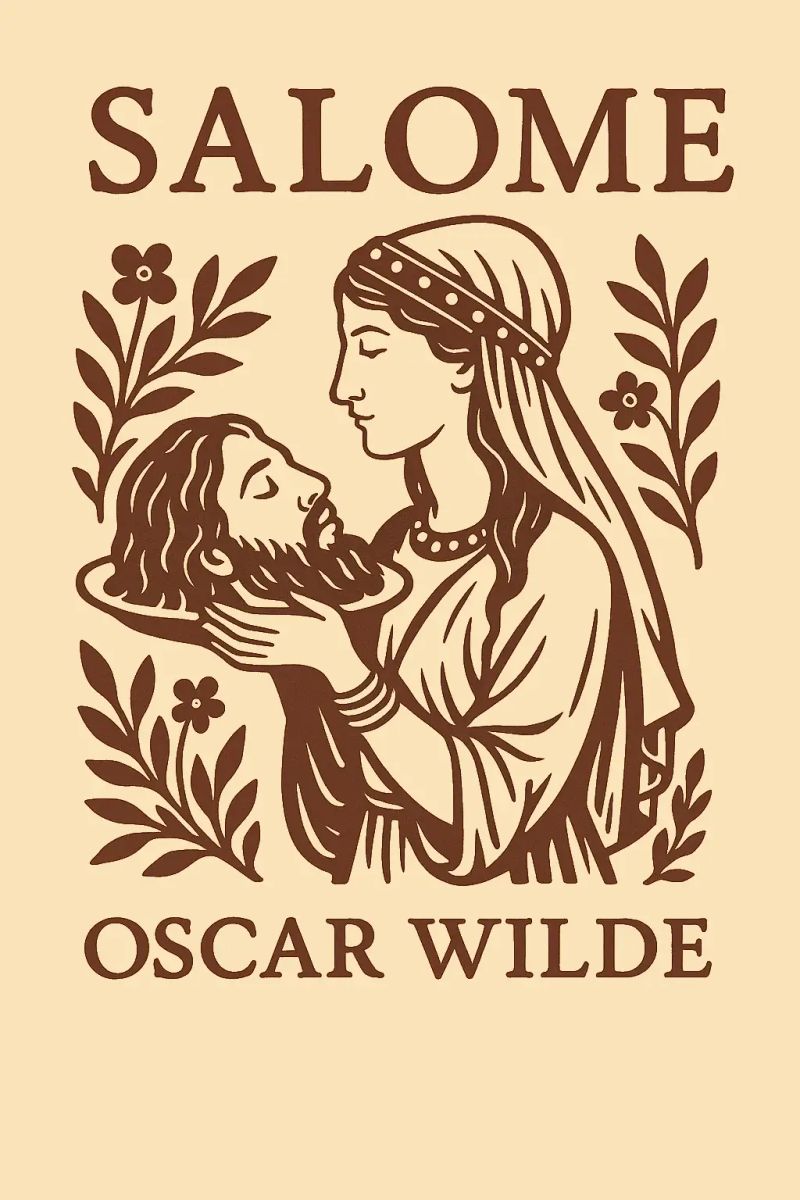
Oscar Wilde, an Irish playwright and central figure of the Aesthetic movement, wrote Salomé in French in the early 1890s, at a moment of intense cultural contest between religion, empire, and modernity. Although Wilde was English by nationality, the work was produced in a continental idiom and published in Paris in 1893, with an English translation appearing soon after; its reception, shaped by the confrontations around morality, sexuality, and art, contributed to the work's enduring notoriety. The play reflects Wilde's transnational sensibility and his interest in decorative, symbolist theatre, while situating itself within the fin-de-siècle atmosphere of censorship and scandal that surrounded late Victorian print culture. The setting—Herod's Judean court, the banquet, the moonlit terrace, and the perilous citern—exemplifies Wilde's fusion of biblical material with lush, exoticized imagery and a structure designed for heightened theatricality rather than conventional realism.
Underneath its opulent surface, Salomé probes the dynamics of gaze, power, and desire. Salomé herself, presented as a dangerous object of fascination, destabilizes patriarchal authority—Herod, Herodias, and the specter of Iokanaan—in ways that prefigure later modernist interrogations of morality, spectatorship, and erotic transgression. The excerpt's chant-like refrain, vivid color and fragrance, and the insistence on refusing to look reveal a theatre of vision as a political instrument. Wilde's conflation of sacred and profane, along with its emblematic use of luxury and ritual, helped catalyze currents in Symbolist and early modern drama and influenced later operatic and literary adaptations, including Richard Strauss's opera Salome and subsequent reworkings that continued to explore the politics of desire and the limits of authority in art.