About this audiobook
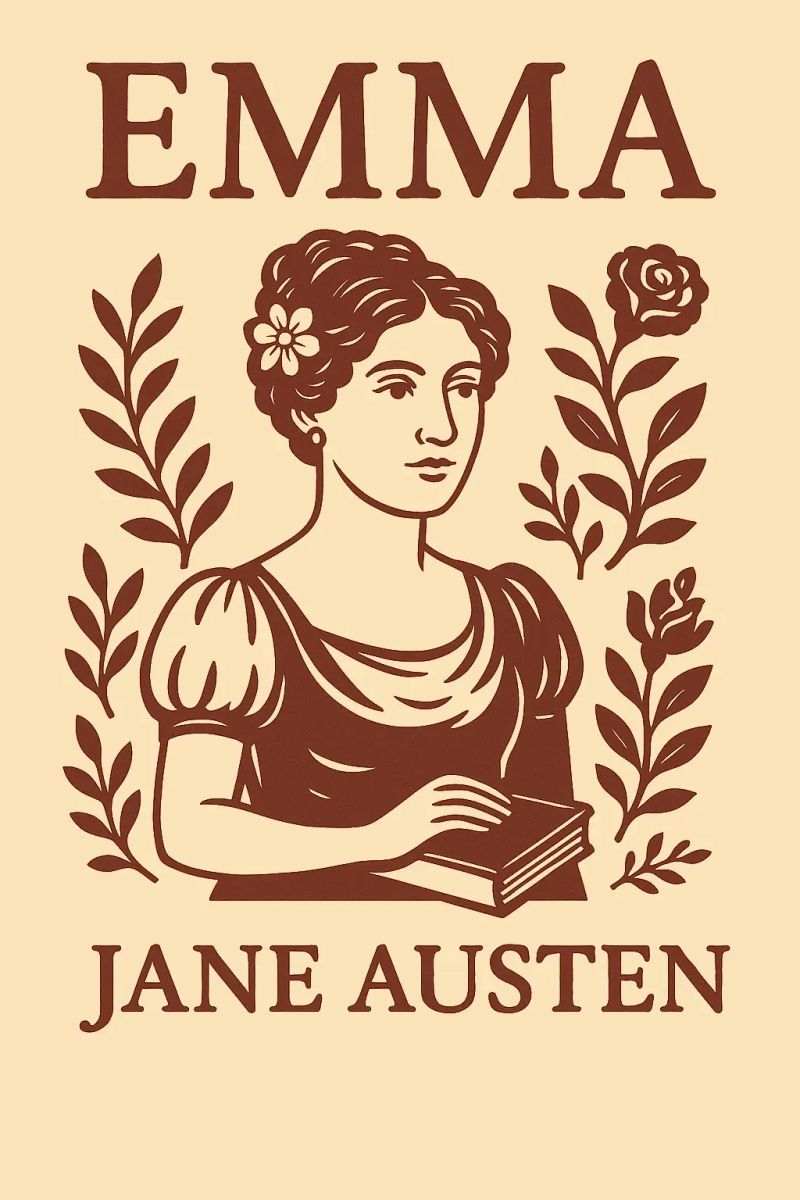
Jane Austen’s Emma was published in 1815 in England during the late Georgian period, when the novel of manners had become a prominent vehicle for representing the social codes of the landed gentry and professional classes. Written in English near the end of Austen’s career and issued while she was still alive, the novel reflects her mature command of free indirect discourse and her sustained interest in the moral education of individuals whose material security insulates them from immediate necessity. Set in the village world of Highbury and its environs, it emerges from the particularities of Regency social life—inheritance, marriage markets, and the gradations of rank—while also participating in a broader early nineteenth-century turn toward psychological realism and domestic scale as serious literary subjects.
The novel centers on Emma Woodhouse, whose confidence in her own judgment expresses itself in meddling schemes of matchmaking and social management, only to be corrected through misrecognition, embarrassment, and gradual self-knowledge. Austen uses irony to expose the limits of Emma’s perception, staging the tension between benevolent intention and self-deception and making the reader complicit in, yet ultimately critical of, the heroine’s interpretive errors. Alongside its thematic focus on autonomy, dependence, and the ethics of influence, Emma is formally notable for its intricate handling of viewpoint, which subtly guides readers through shifting alignments of sympathy and critique. Its influence has been extensive: it helped consolidate the possibilities of interiority and irony in realist fiction, offered a durable model for the “flawed but educable” heroine, and has remained a touchstone for adaptations and rewritings that translate its social comedy and moral psychology into new cultural contexts.