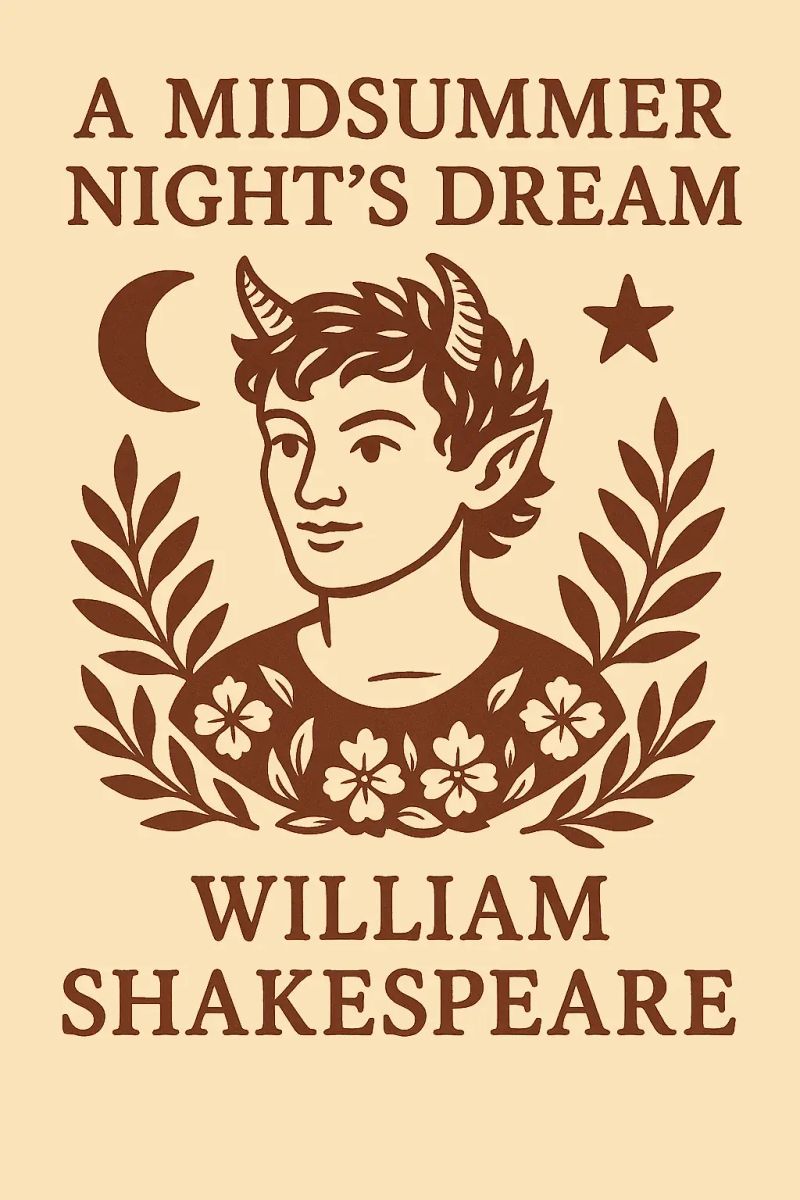
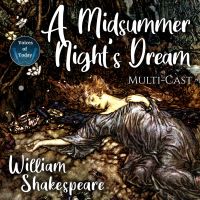
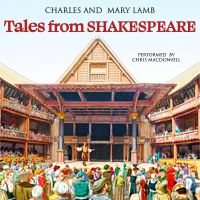
William Shakespeare’s A Midsummer Night’s Dream is an Elizabethan comedy written in English in the mid-1590s, during a period when London’s commercial theatres were rapidly expanding and Shakespeare was consolidating his reputation as both playwright and poet. First appearing in quarto in 1600, the play is generally dated earlier on stylistic and topical grounds and is often associated with courtly and aristocratic festive occasions, including the culture of marriage entertainments. Its opening scene, set in a classicalized Athens under Duke Theseus, immediately juxtaposes civic authority, patriarchal law, and youthful desire, signaling Shakespeare’s characteristic practice of using distant settings and mythic materials to refract contemporary social tensions within a comic frame.
The play interweaves multiple worlds—the Athenian court, a band of artisans staging a tragedy, and a fairy realm ruled by Oberon and Titania—so that love’s volatility can be explored as both social problem and imaginative principle. Through the forest’s nocturnal confusions and the transformative agency of magic, Shakespeare examines desire’s irrationality, the instability of perception, and the porous boundary between dream and waking life, while also reflecting on theatrical illusion itself. Its intricate plot design, metatheatrical humor, and lyrical language have made it one of Shakespeare’s most enduring works, profoundly influential in later drama, music, ballet, and film, and a central text for modern criticism concerned with gender, power, festive inversion, and the aesthetics of enchantment.