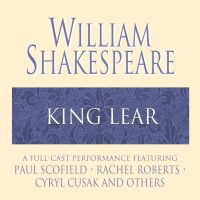
William Shakespeare’s King Lear is a Jacobean tragedy written in early modern English and first performed in the first decade of the seventeenth century, with its earliest surviving text printed in 1608 (the so-called Quarto), followed by a substantially revised version in the 1623 First Folio. Composed during a period of intense political and cultural reflection in England following the accession of James I, the play draws on legendary British history as mediated through earlier chronicles and dramatic sources, notably the Lear narrative in Holinshed and the anonymous play The True Chronicle History of King Leir. Its theatrical language—evident in the formal act-and-scene divisions and the rhetorical density of the opening court scene—registers Shakespeare’s mature tragic style, shaped by the professional London stage and by contemporary debates about sovereignty, succession, and the bonds of kinship.
The drama anatomizes the catastrophic consequences of confusing public authority with private desire, as Lear’s demand for performative declarations of love transforms political division into moral and psychic collapse. Parallel plotting intensifies this inquiry: Gloucester’s family tragedy mirrors Lear’s, exposing how legitimacy, recognition, and misjudgment can corrode both household and state. Through its stark portrayal of suffering—ranging from the banishment of truth-tellers to the desolation of the heath—King Lear interrogates justice, nature, and the limits of human meaning under extremity, while its formal innovations in characterization, irony, and tragic structure have made it central to modern conceptions of Shakespearean tragedy and a touchstone for later literature, philosophy, and performance traditions.