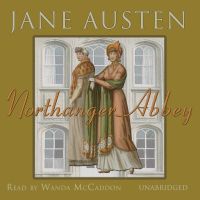
Jane Austen’s Northanger Abbey is an English novel composed in the late 1790s during the formative stage of her career, when she was refining the comic realism and free indirect style that would later distinguish her mature works. Originally drafted as “Susan” and sold to a publisher in 1803 but withheld from print, it appeared posthumously in 1818 (dated 1818 though released late 1817) in a four-volume set issued with Persuasion, accompanied by a brief biographical notice by Austen’s brother Henry. Its publication context—after the explosive popularity of Gothic fiction and amid the social churn of the Regency—frames the novel’s pointed engagement with contemporary reading habits, fashionable tourism, and the marriage market, particularly as experienced in the resort city of Bath.
The novel is at once a courtship narrative and a sustained parody of Gothic conventions, staging the education of Catherine Morland as she learns to distinguish literary fantasy from social reality without forfeiting the imaginative pleasure of romance. Austen’s irony targets both the excesses of sensational fiction and the subtler dangers of ordinary selfishness, manipulation, and economic calculation that govern polite society, while also defending novel reading as a meaningful, if morally ambivalent, cultural practice. By transforming Gothic tropes into instruments for psychological and social critique, Northanger Abbey helped consolidate the early nineteenth-century English novel’s authority as a medium for realism and meta-fictional commentary, and it remains influential for its witty interrogation of genre, female subjectivity, and the ethics of interpretation.