About this audiobook
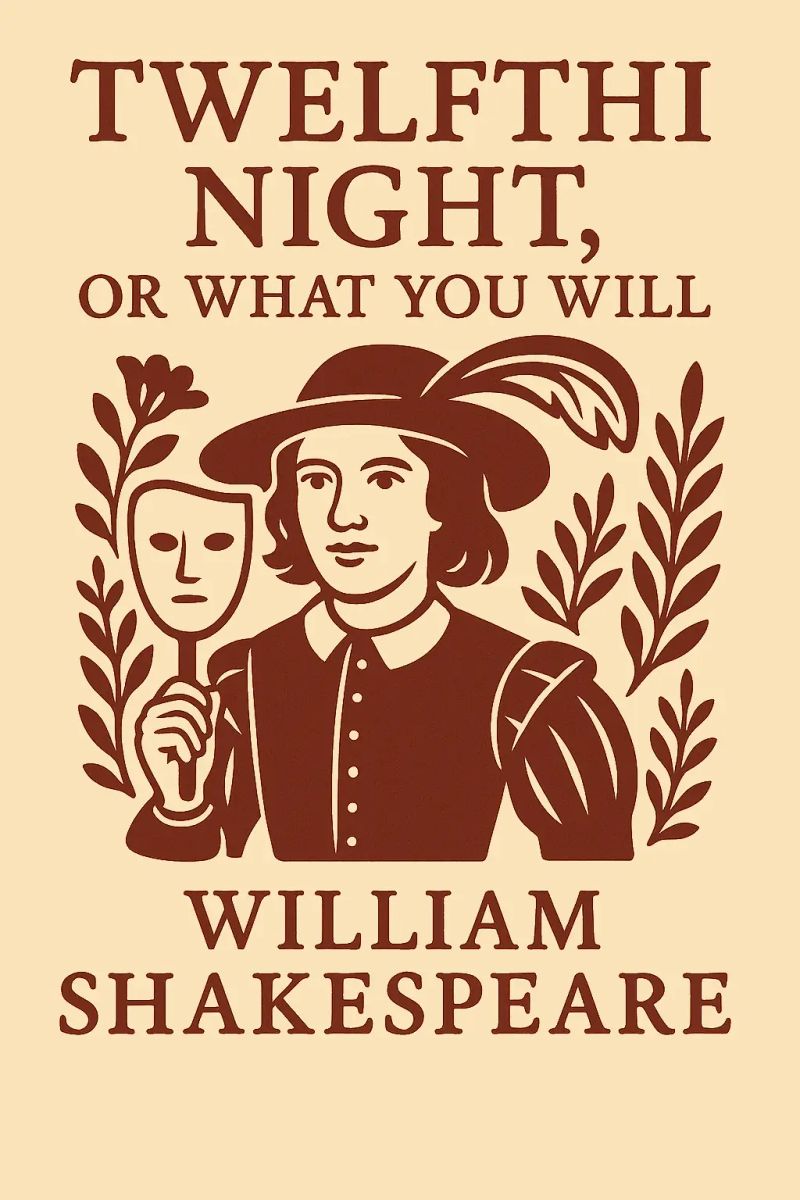
William Shakespeare’s Twelfth Night, or What You Will is an English comic play written at the turn of the seventeenth century and first performed in the festive culture of the Elizabethan and early Jacobean court, conventionally dated to 1601–1602. Circulating initially in performance rather than print, it appeared in authoritative form in the 1623 First Folio, though it was well known earlier as a popular stage work. Set in the imaginary Illyria and opening with Duke Orsino’s famed meditation on music and desire, the play reflects Shakespeare’s mature command of theatrical form, blending courtly romance with robust comic subplot and drawing on contemporary tastes for disguise, music, and holiday inversion suggested by its title’s association with Twelfth Night revels.
The drama interweaves shipwreck, cross-dressing, and mistaken identity to probe the instability of gender presentation and the gap between desire and knowledge, as Viola’s male disguise catalyzes a chain of displaced attractions involving Orsino and Olivia. Alongside this romance plot, the gulling of Malvolio by Sir Toby, Maria, and their companions satirizes puritanical self-regard and exposes the cruelty that can underwrite communal amusement, giving the play an unusually sharp edge for comedy. Its language moves fluidly between lyrical intensity and comic prose, while Feste’s songs and irony provide a meta-theatrical commentary on time, melancholy, and the limits of festive resolution. Twelfth Night has exerted lasting influence through its complex treatment of identity and desire and remains central to modern discussions of performance, sexuality, and the social functions of laughter in Renaissance drama.