About this audiobook
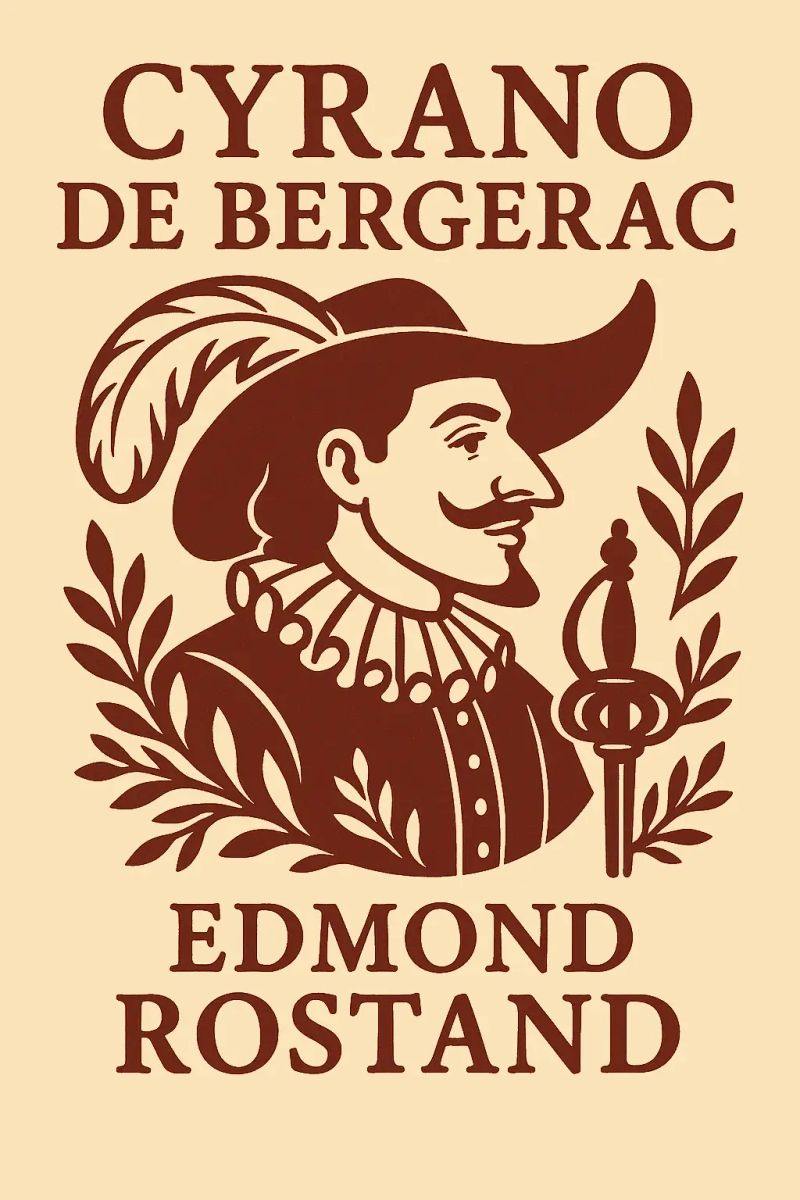
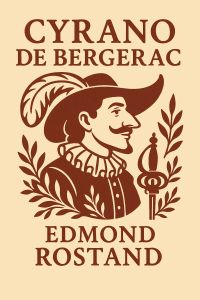
Edmond Rostand's Cyrano de Bergerac is a French verse drama first staged in Paris at the Théâtre de la Porte Saint-Martin in 1897, at the close of the nineteenth century when Naturalism and Symbolism dominated much of the French stage. Associated with a neo‑Romantic revival, Rostand deliberately revived a swashbuckling, highly theatrical idiom, setting the action in 1640s France and opening in the playhouse of the Hôtel de Bourgogne. Loosely drawn from the life and legend of the seventeenth‑century writer Savinien de Cyrano de Bergerac, the play juxtaposes historical verisimilitude with the heightened artifice of alexandrine verse, offering a nostalgic reimagining of the heroic and literary culture of early‑modern Paris. The drama centers on Cyrano, a brilliant poet‑swordsman whose extravagant wit and moral independence are shadowed by crippling self‑doubt about his appearance, which leads him to ventriloquize his eloquence through the handsome but inarticulate Christian in their shared pursuit of Roxane. Through this triangle Rostand probes tensions between inward identity and outward charm, authorship and performance, and the ethics of deception in love, while celebrating language as both weapon and refuge. Revered for its panache, set pieces, and fusion of comedy and pathos, the play became an emblem of French theatrical virtuosity and a touchstone for modern portrayals of the romantic outsider, exerting wide influence through countless revivals, translations, and adaptations across stage, film, and popular culture.