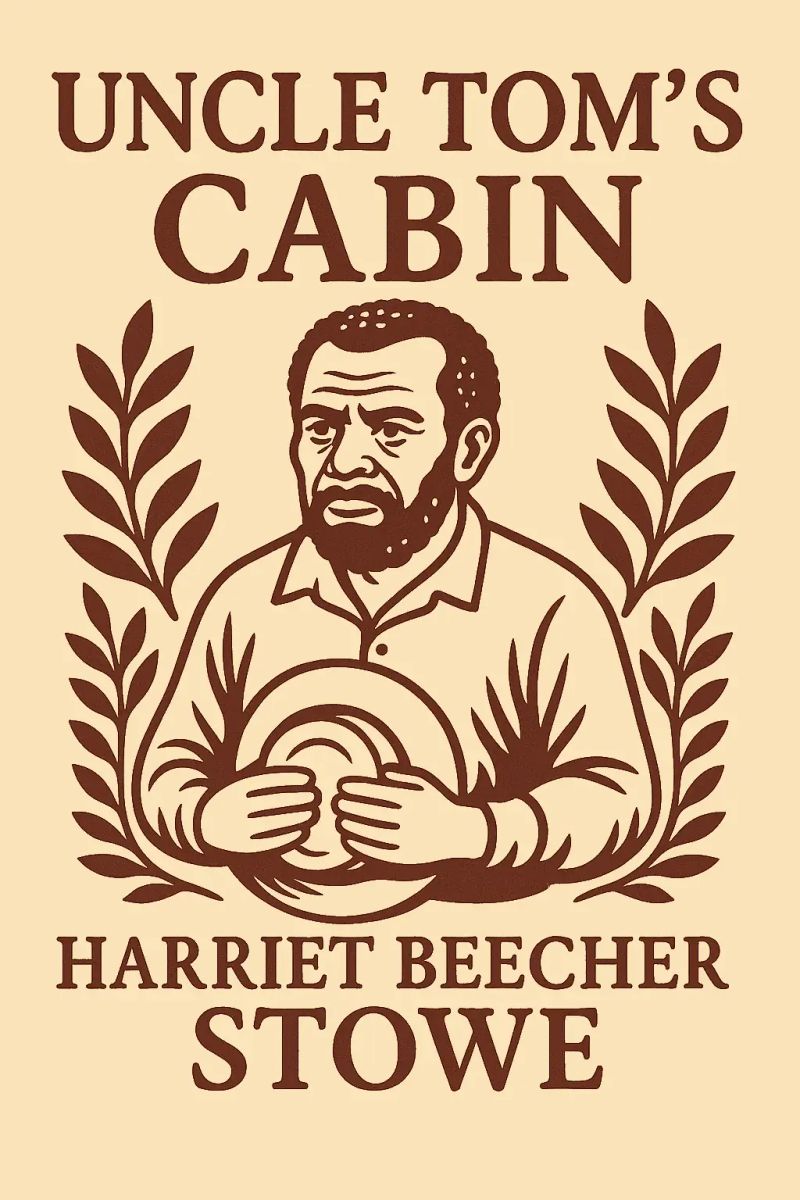
About this audiobook
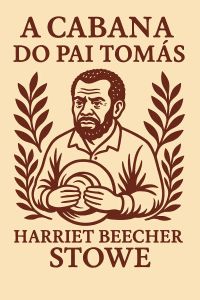
Harriet Beecher Stowe’s Uncle Tom’s Cabin emerged from the fraught political and religious climate of the United States in the early 1850s, when sectional conflict over slavery intensified in the wake of the Fugitive Slave Act of 1850. Stowe, a New England–born writer from the prominent Beecher family of Protestant reformers, drew on abolitionist testimony, personal encounters with formerly enslaved people, and evangelical discourse to craft a work of popular fiction aimed at a broad reading public. First serialized in the antislavery newspaper The National Era (1851–1852) before appearing as a two-volume novel in 1852, it rapidly became an international bestseller, circulating widely in the Anglophone world and beyond in numerous editions and adaptations. Written in English and pitched in accessible, emotive prose, the novel combined domestic realism with melodramatic plotting to intervene directly in contemporary debates about slavery, commerce, and moral responsibility.
The novel juxtaposes the commodification of human beings with ideals of Christian conscience, family integrity, and moral agency, tracing the violent dislocations produced by the slave economy through interlocking narratives of sale, flight, and forced migration. Its thematic core lies in its condemnation of slavery’s systemic cruelty and its insistence that ordinary social practices—debt, trade, household management, and legal compliance—sustain that cruelty, even among those who imagine themselves humane. Stowe’s use of sentimentality, religious typology, and sharply drawn social types proved artistically influential and politically catalytic, helping to consolidate antislavery feeling in the North while provoking fierce backlash in the South and generating a large body of “anti-Tom” responses. Whatever later critiques of its racial stereotypes and paternalism, Uncle Tom’s Cabin remains a landmark in nineteenth-century transatlantic print culture and an enduring example of fiction’s capacity to shape public moral imagination and political discourse.