About this audiobook
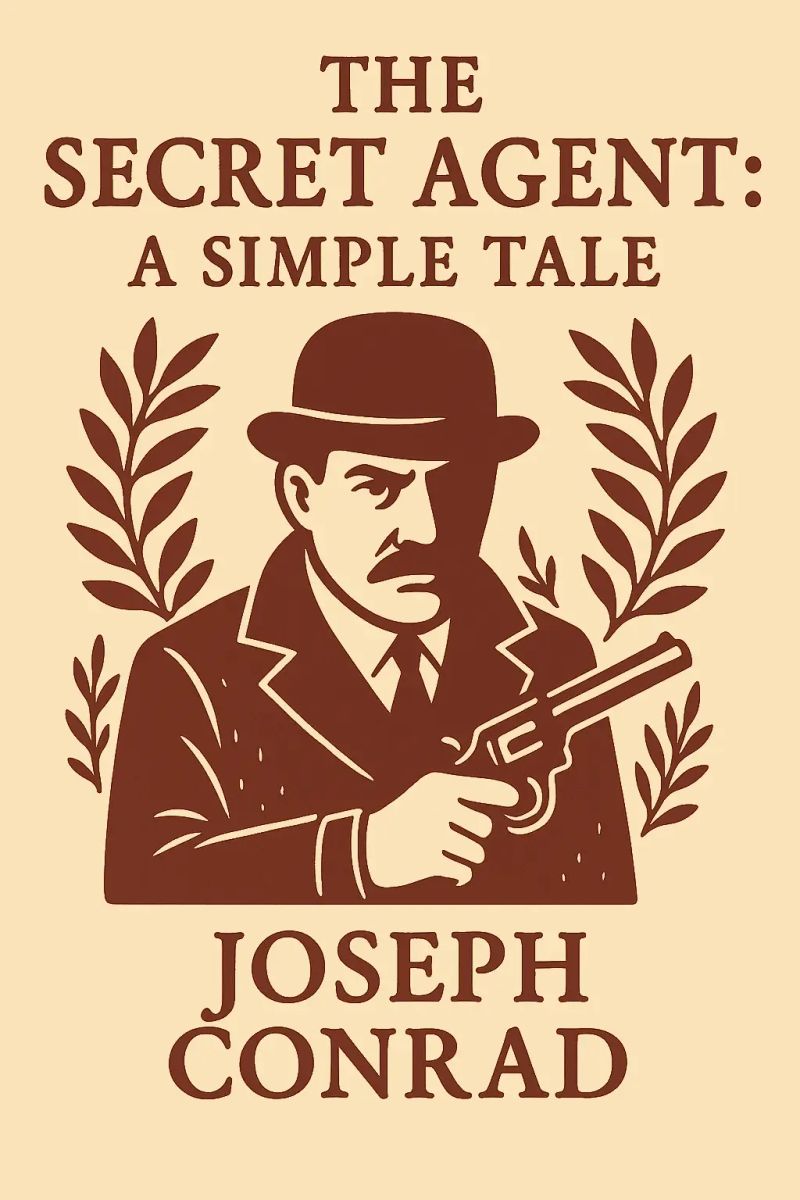
Joseph Conrad’s The Secret Agent: A Simple Tale (1907) is an English-language novel by the Polish-born, seafaring author who, after settling in Britain, became one of the central figures of early twentieth-century English prose. Written in the context of late-Victorian and Edwardian anxieties about urban modernity, political extremism, and the mechanisms of state surveillance, the book appeared at a moment when anarchist scares and sensational press narratives had entered public consciousness. Issued in London by Methuen in 1907, it draws upon the atmosphere of metropolitan London and the international currents of espionage and radical politics that surrounded the fin de siècle, while filtering them through Conrad’s characteristic irony and moral skepticism.
The novel anatomizes the intersections of domestic life and political violence, presenting terrorism not as romantic revolt but as a sordid economy of provocation, policing, and self-interest. Conrad’s handling of secrecy and agency exposes how individuals become instruments within impersonal systems, and how ideological language can mask inertia, opportunism, and cruelty. Stylistically, its controlled narrative perspective, dark comedy, and tragic inevitability deepen a critique of modern institutions and the fragility of private bonds under public pressures. Widely regarded as a foundational work in the political and espionage novel tradition, it influenced later representations of terrorism and undercover power, and remains notable for its unsettling fusion of social realism, satiric edge, and psychological tragedy.