About this audiobook
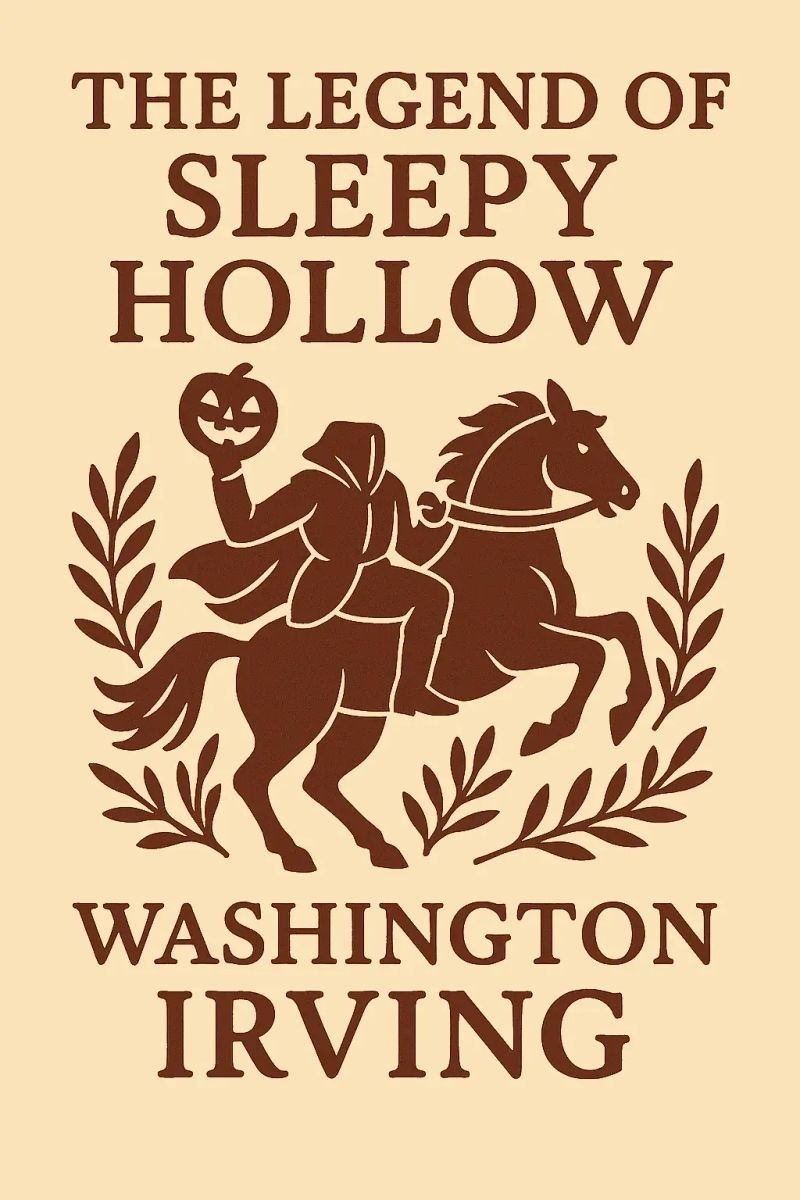
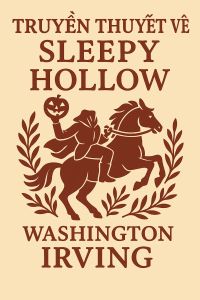
Washington Irving (1783–1859) was among the founding figures of American fiction, whose early career bridged European Romanticism and an emergent American national literature. Writing in English, he cultivated a voice characterized by learned allusion to European models while insisting on distinctly American subjects, landscapes, and idioms. The Legend of Sleepy Hollow appeared in The Sketch Book of Geoffrey Crayon, Gent., a two-volume traversal published in 1819–1820 that helped codify a nascent American literary voice by pairing travel sketches, portraits, and tales of local color. The narrative's frame claims to be drawn from the papers of the Dutch-American historian Diedrich Knickerbocker, a playful self-parody that nods to Irving's own persona and to New York's Dutch colonial past. Set in the Hudson Valley's settled Dutch hinterland, Sleepy Hollow reflects early nineteenth-century American preoccupations with memory, superstition, and national self-definition, while blending laconic humor with Gothic intrigue as it introduces Ichabod Crane, a lank schoolmaster navigating community life, desire, and credulity.
The tale centers on the tension between credulity and skepticism, aspiration and vulnerability, tradition and modernization. Irving sustains a deft fusion of realism and the uncanny: a vividly drawn rural landscape of Sleepy Hollow sits beside a folkloric apparatus in which the Headless Horseman haunts the countryside, testing the limits of rational belief. Through Ichabod Crane and his rival Brom Van Brunt, the story probes social aspiration, courtship, and the precarious economics of teaching in a frontier community, while also delivering a subtle critique of vanity and social pretension. As a work of local color and Romantic nationalism, Sleepy Hollow helped establish the American short story as a legitimate national form and influenced later regional writers and the broader Gothic strain in American literature. Its enduring popularity contributed to a robust popular folklore, shaping Halloween discourse and influencing film, stage, and literary adaptations, while preserving a sense of a uniquely American landscape where myth and memory intersect with everyday life.