About this audiobook
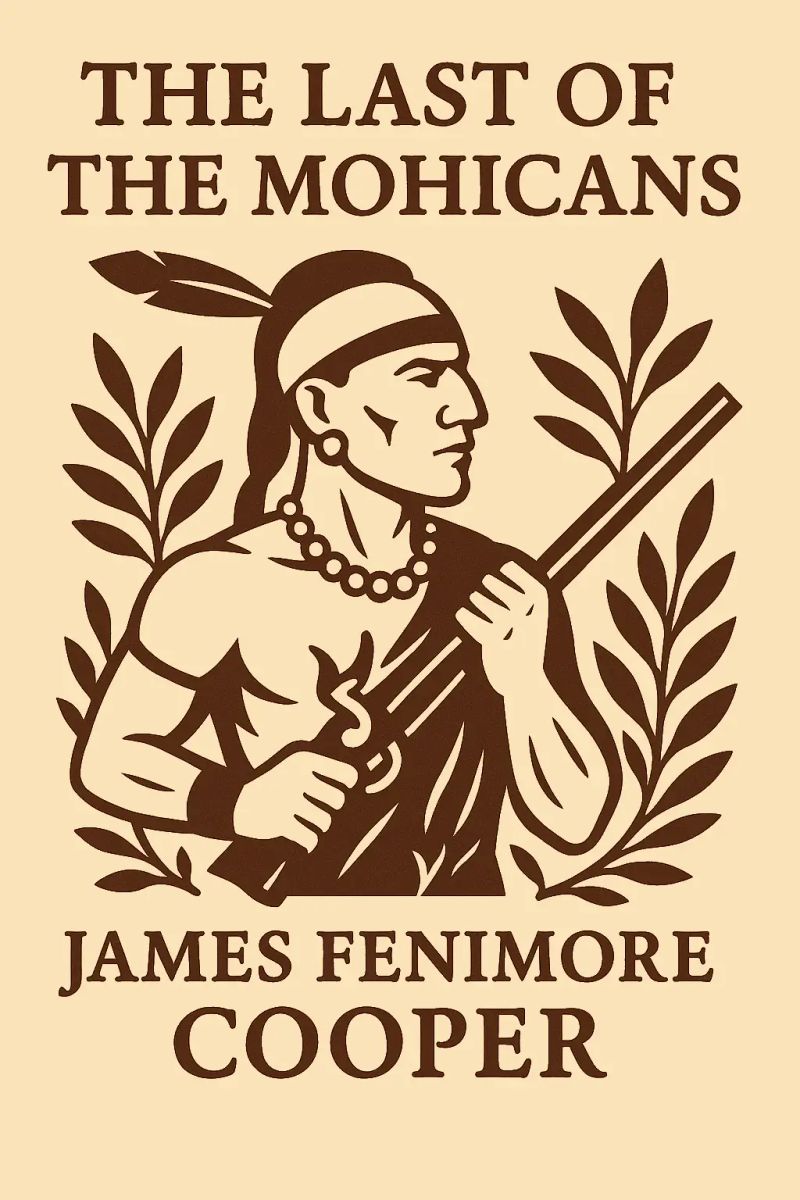
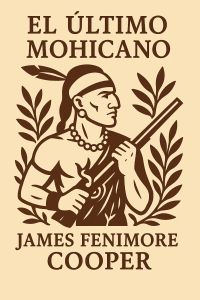
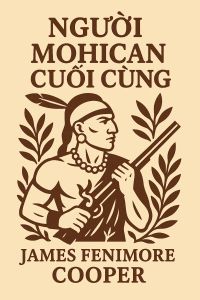
James Fenimore Cooper’s The Last of the Mohicans, first published in 1826 in English, emerged from the early United States’ intense preoccupation with defining a national past distinct from Europe while still drawing heavily on European literary forms. Cooper, a prominent figure of the American Romantic era and a foundational voice in U.S. historical fiction, set the novel during the French and Indian War (1754–1763), specifically in 1757 amid the contest between Britain and France for control of North America and their reliance on Indigenous alliances. Issued as part of the Leatherstocking Tales, the work reflects both the period’s expanding print culture and a transatlantic readership eager for frontier narratives that framed North American landscapes as sites of epic struggle, cultural encounter, and emergent national identity.
The novel’s enduring power lies in its fusion of adventure romance with a somber meditation on violence, displacement, and the precariousness of cultural survival. Through the figure of Natty Bumppo (Hawkeye) and the intertwined fates of Indigenous and colonial characters, Cooper dramatizes competing codes of honor and belonging, staging the wilderness as both sublime environment and contested historical archive. Although long critiqued for stereotyped and elegiac representations of Native peoples, the book decisively shaped the mythology of the American frontier and helped establish key conventions of the historical novel in the United States. Its influence extends through later frontier fiction and popular culture, with repeated stage and film adaptations that perpetuated its themes of intercultural conflict, loyalty, and loss.