
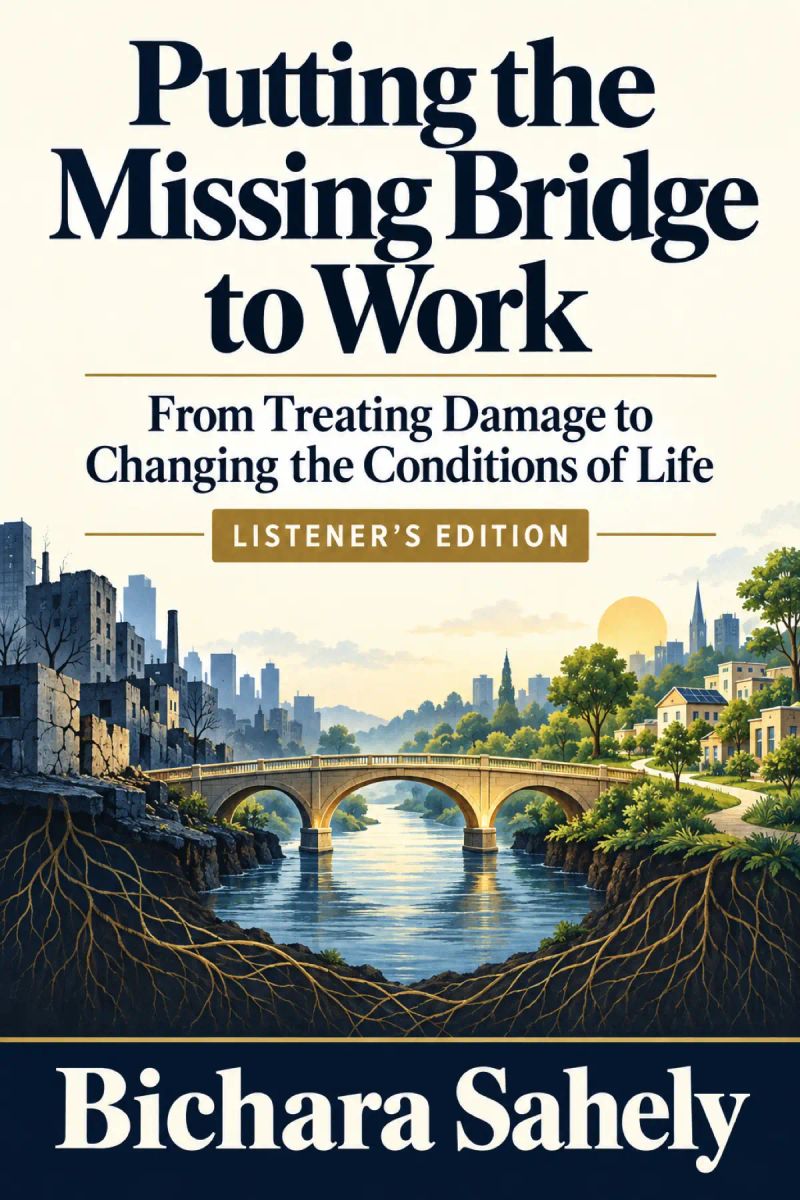
Putting the Missing Bridge to Work
From Treating Damage to Changing the Conditions of LifeBy Dr. Bichara Sahely


Length2h 11m
About this audiobook
Why do societies become better at treating damage while continuing to reproduce the conditions that cause it?
Bichara Sahely follows this question through housing, food, work, education, environmental protection and finance, alongside climate change, debt and digital technologies. Drawing on John McMurtry’s life-value orientation and the Civilizational Healing research programme, the paper connects immediate care with changes in the arrangements shaping everyday life.
This essentially unabridged Listener’s Edition preserves the complete substantive argument and translates the diagrams and worked housing pathway into spoken prose. It distinguishes established findings from proposed connections and asks what makes protection, repair and accountable change practically possible.
For exact citations, references and diagrams, consult the scholarly edition.
Audiobook details
GenreEducation and Learning, Health and Wellness
Length2 hrs 11 mins
Narrated byListen with 1,000+ voices
FormateBook with Audio
Publish dateFeb 29, 2020
LanguageEnglish
Table of contents
1Listener’s Note
2Listening Orientation
31. The conditions of life are being changed
42. Following consequences without erasing differences: Combined exposures and the course of a life
5Combined exposures and the course of a life
Show all chaptersShow less
63. Housing: shelter on a warming and unequal planet
7Shelter is more than a dwelling count
8Quiet and public space are conditions of recovery
9How insecurity consumes the capacity to recover
10Repair, security and the ability to remain
11Worked housing pathway
12First, what changes?
13Second, which conditions change?
14Third, what happens to load, capacity and margin?
15Fourth, can regulation and repair occur?
16Fifth, which future options remain?
174. Food systems: from industrial organization to dependable nourishment
18The choice is made inside an environment
19Concentrating animals also concentrates waste and exposure
20Pesticides: protecting a crop without hiding other losses
21Nourishment without transferring the burden
225. Work and care: who receives the gains in capacity?
23When continued performance conceals growing demands
24When responsibility is blocked, not simply overloaded
25Artificial intelligence assistance is not yet a distribution of its benefits
26Care is part of the capacity to work and live
276. Education: completed output or enlarged understanding?
28Learning requires conditions, not just content
29Artificial intelligence makes the difference between performance and capacity visible
30The social and collective conditions matter too
317. Environmental protection: persistence, regeneration and infectious risk
32Damage can outlast the activity that produced it
33Microplastics: the useful object and the continuing release
34Ecological reserve is more than present output
35Habitat protection can be part of disease prevention
36Shared indoor air and the aftermath of infection
37Changing a source can protect present and future life
388. Finance and material production: what receives credit, and who carries the debt?
39Financing helps select the conditions that become real
40Repayment is a claim on future possibilities
41Planned obsolescence connects design to future expenditure
42Public finance must connect money to real provision
439. Digital conditions of life: attention, information, artificial intelligence and dependence
44Different digital arrangements, different consequences
45Attention is not the same as engagement
46Psychological support, dependence and the wider life
47Information integrity is a condition of collective correction
48Institutional power cannot be delegated away
49Dependable connection includes a way to recover from failure
50Efficiency per task is not the whole ecological account

Preserving Life, Transforming Power in GazaDr Bichara Sahely1h 42mFree

Preserving Life, Transforming PowerDr. Bichara Sahely1h 4mFree

The Missing BridgeDr. Bichara Sahely1h 5mFree
Transformational Laboratories ProtocolDr. Bichara Sahely2h 33mFree
Artificial Intelligence and the Epistemic CommonsDr Bichara Sahely3h 12mFree

Conflict, Repair, and Non-DominationDr Bichara Sahely2h 21mFree
Institutions of Reflexive TransformationDr Bichara Sahely1h 51mFree
The Politics of Civilizational HealingDr. Bichara Sahely2h 13mFree

The Missing Grammar of Modern CivilizationDr. Bichara Sahely2h 8mFree
Civilizational Healing Research ArchitectureDr. Bichara Sahely1h 24mFree
How Does a Civilization Learn to Heal?Dr. Bichara Sahely1h 16mFree

From Competent Physicians to Healing SocietiesDr. Bichara Sahely2h 20mFree
Competence Is Necessary, but Not SufficientDr. Bichara Sahely1h 15mFree

Life-Grounding CanMEDSDr. Bichara Sahely1h 13mFree
The Dynamic Architecture of ViabilityDr Bichara Sahely2h 1mFree

Completing the Life-Value Onto-Axiology ProgramDr. Bichara Sahely1h 9m5.0 (1)Free

BEYOND GLOBAL JUSTICEDr. Bichara Sahely1h 25mFree

The Sweetness That Consumed the WorldBichara Sahely16h 14mFree
THE SOVEREIGNTY OF CREDITDr. Bichara Sahely3h 56mFree
A Brief History of IntelligenceMax S. Bennett12h 18m4.6 (6.6K)$29 · $0.00
HomeschooledStefan Merrill Block7h 10m3.6 (18.5K)$28 · $0.00

The State Must ProvideAdam Harris7h 15m4.5 (775)$24 · $0.00

The Call of the Wild and FreeAinsley Arment9h 7m4.4 (21.2K)$29 · $0.00
The Freelance WayRobert Vlach19h 48m4.5 (528)$40 · $0.00
Race to the BottomLuke Rosiak9h 20m4.5 (600)$29 · $0.00

They Came for the SchoolsMike Hixenbaugh9h 5m4.5 (2.6K)$8 · $0.00

Find Me UnafraidKennedy Odede, Jessica Posner11h 11m4.5 (2.7K)$29 · $0.00

Asking for ItKate Harding8h 55m4.4 (5.3K)$20 · $0.00
Defining Moments in Black HistoryDick Gregory7h 37m4.4 (6K)$26 · $0.00

The Emerald Tablets of Thoth the AtlanteanMaurice Doreal3h 4m4.4 (8.8K)$6 · $0.00

Learning AmericaLuma Mufleh6h 37m4.4 (564)$24 · $0.00
Math-ishJo Boaler7h 21m4.4 (588)$24 · $0.00

Daddy-Long-LegsJean Webster12h 18m4.2 (91K)$1.99 · $0.00
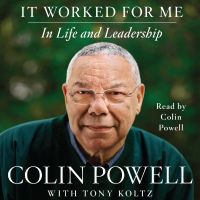
It Worked For MeColin Powell7h 42m4.3 (9.8K)$26 · $0.00

Little SoldiersLenora Chu11h 30m4.3 (3.1K)$29 · $0.00

Grammar-land; Or, Grammar in Fun for the Children of Schoolroom-shireM. L. Nesbitt2h 36m4.4 (488)$1 · $0.00

Financial FeministTori Dunlap8h 3m4.2 (22.2K)$8 · $0.00

DarkwaterWilliam Edward Burghardt Du Bois6h 40m4.3 (1.4K)$11 · $0.00

The Highway Code UKDepartment for Transport3h 33m4.2 (36.6K)$11 · $0.00
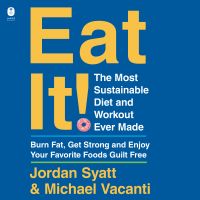
Eat It!Jordan Syatt, Michael Vacanti4h 40m4.6 (1.5K)$20 · $0.00

Consent Laid BareChanel Contos7h 11m4.5 (1.7K)$24 · $0.00

How to Make Disease DisappearRangan Chatterjee5h 26m4.5 (3.5K)$24 · $0.00

The Complete Herbal (Annotated)Nicholas Culpeper29h 8m4.5 (1.4K)$2 · $0.00

A Plague Upon Our HouseScott W. Atlas MD10h 37m4.5 (3.4K)$20 · $0.00

The Cancer CodeDr. Jason Fung10h 48m4.5 (5.3K)$29 · $0.00

The Gift of TherapyIrvin Yalom7h 39m4.5 (38.8K)$26 · $0.00

EarlySarah DiGregorio9h 47m4.5 (1.3K)$29 · $0.00

Bottle of LiesKatherine Eban14h 25m4.4 (12K)$33 · $0.00
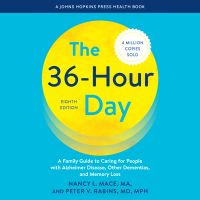
The 36-Hour DayNancy L. Mace, Peter V. Rabins17h 13m4.4 (9.2K)$28 · $0.00

FlooredSara Reardon10h 36m4.5 (1K)$29 · $0.00
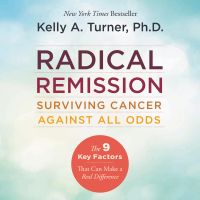
Radical RemissionKelly A. Turner9h 26m4.4 (8.1K)$29 · $0.00
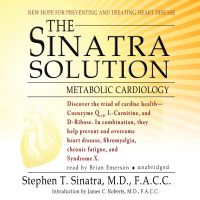
The Sinatra SolutionStephen T. Sinatra MD9h4.5 (899)$20 · $0.00

The Songaminute ManSimon McDermott6h 12m4.5 (280)$24 · $0.00
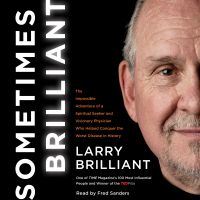
Sometimes BrilliantLarry Brilliant12h 27m4.5 (954)$29 · $0.00

Live Your LifeAmanda Kloots, Anna Kloots10h 54m4.4 (13.7K)$29 · $0.00

All in Her HeadElizabeth Comen13h 25m4.4 (18.2K)$33 · $0.00
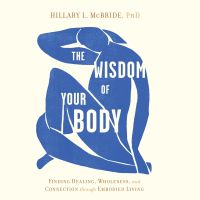
The Wisdom of Your BodyHillary McBride9h 14m4.4 (6.7K)$29 · $0.00

The Alzheimer's SolutionDean Sherzai, Ayesha Sherzai9h 47m4.4 (1.9K)$29 · $0.00
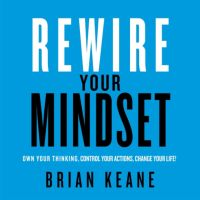
Rewire Your MindsetBrian Keane6h 49m4.5 (896)$23 · $0.00
You may also like
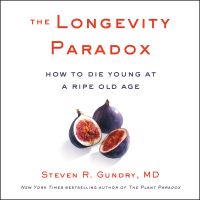
The Longevity ParadoxSteven R. Gundry, MD9h 9m4.0 (8.8K)$29 · $0.00
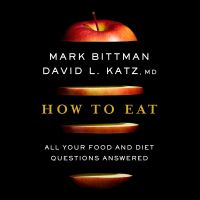
How To EatMark Bittman, David Katz7h 13m3.8 (4.1K)$24 · $0.00

The Gut-Immune ConnectionEmeran Mayer6h 32m4.1 (754)$24 · $0.00
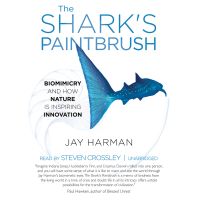
The Shark’s PaintbrushJay Harman11h 50m4.1 (459)$20

Man and Nature; Or, Physical Geography as Modified by Human ActionGeorge P. Marsh23h 35m4.1 (323)$1 · $0.00

The Best American Science and Nature Writing 2022Ayana Elizabeth Johnson, Jaime Green12h 27m4.0 (623)$29 · $0.00

The BondWayne Pacelle12h 39m4.1 (963)$33 · $0.00
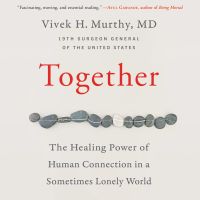
TogetherVivek H. Murthy10h 53m4.3 (12.5K)$29 · $0.00
Silent EarthDave Goulson9h 54m4.4 (3.8K)$29 · $0.00

BiomimicryJanine M. Benyus14h 54m4.1 (3.6K)$33 · $0.00
The Best American Science and Nature Writing 2024Bill McKibben, Jaime Green14h 14m4.2 (301)$33 · $0.00

Organ Speak: What It Really Means to Listen to our Bodies, from the international bestselling author of GUTGiulia Enders8h 53m4.2 (1.4K)$29 · $0.00
Emperors of the DeepWilliam McKeever10h 1m4.1 (2.1K)$29 · $0.00

The Lucifer PrincipleHoward Bloom12h 3m4.2 (3.6K)$23
Stress Management: Unlocking Inner Strength With Philosophical Insights (Simple and Practical Strategies and Techniques for Achieving Work-life Balance, Improved Well-being and Long-term Resilience)Mason g, John Yarbrough1h 9m$5.20 · $0.00

The Fearful SeaRuby V. Carrington5h 7m$4.10 · $0.00

Endangered mammals. Among anteaters, sloths and armadillosClaudia Zúñiga-Vega33m$5 · $0.00
Protection of the oceansRicardo Garay2m$6 · $0.00
Life RevisitedLaurent Grenier2h 12m4.9 (101)$2.30 · $0.00
SURVIVAL HANDBOOK - How to Find Water, Food and Shelter in Any Environment, How to Protect Yourself and Create Tools, Learn How to SurviveU.S. Department of Defense10h 3m4.3 (167)$3 · $0.00