
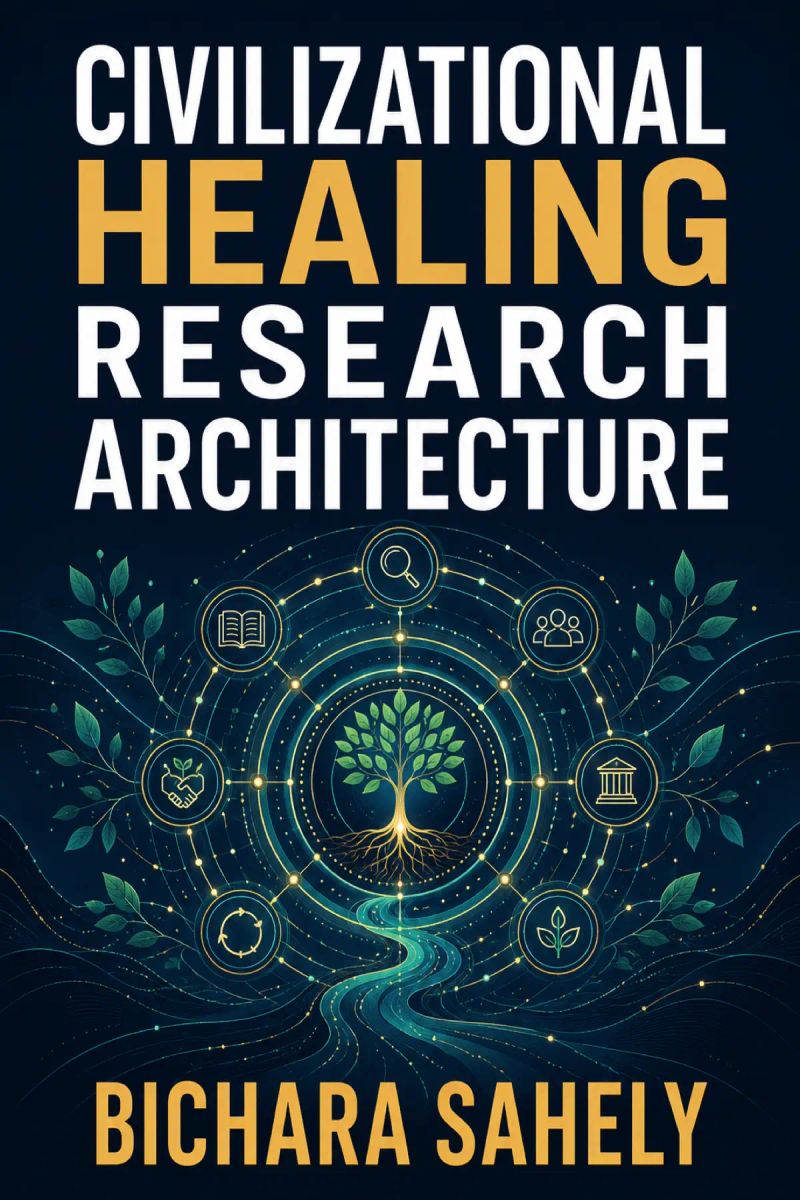
Civilizational Healing Research Architecture
A transdisciplinary programme for life-grounded diagnosis, repair, regeneration, and learningBy Dr. Bichara Sahely


Length1h 24m
About this audiobook
Civilizational Healing Research Architecture translates a life-grounded theory of civilizational healing into a rigorous six-year research programme. Centered on the “healing episode,” it shows how societies can study and strengthen capacities to recognize injury, interrupt harm, complete repair, transform recurrent causes, regenerate life-supporting conditions, and learn. Six linked work packages cover conceptual validation, a comparative healing atlas, measurement and observatory development, mechanisms and power, participatory healing laboratories, and synthesis and translation. The architecture embeds affected-community authority, Indigenous sovereignty, ethical safeguards, non-displacement audits, explicit decision rights, rival explanations, and stop rules. It offers a practical framework for building a plural, publicly accountable science of healing without medicalizing dissent, forcing reconciliation, or reducing complex realities to a single score.
Audiobook details
GenreHealth and Wellness, Education and Learning
Length1 hr 24 mins
Narrated byListen with 1,000+ voices
FormateBook with Audio
Publish dateFeb 22, 2020
LanguageEnglish
Table of contents
1Introduction
2Listener's Note
3Listening Orientation
4Executive summary
51. Purpose, scope, and status
Show all chaptersShow less
61.1 Purpose
71.2 Scope
81.3 Companion theory
92. Non-negotiable design commitments: Listening synthesis: non-negotiable design commitments
103. Conceptual model and units of analysis
113.1 Core constructs
123.2 Primary unit: the healing episode
133.3 Secondary units
143.4 Boundaries and counterfactuals
154. Research questions and propositions
165. Theory of change: Listening synthesis: theory-of-change pathway
176. Work-package architecture
18Listening synthesis: work-package architecture
19Listening map: six-year programme sequencing
207. Work-package specifications
217.1 Work Package 1: Foundations and construct validation
22Objective
23Tasks
24Outputs and gate
257.2 Work Package 2: Comparative healing atlas
26Objective
27Tasks
28Outputs and gate
297.3 Work Package 3: Measurement and observatory
30Objective
31Tasks
32Outputs and gate
337.4 Work Package 4: Mechanisms, power, and cross-scale pathways
34Objective
35Tasks
36Outputs and gate
377.5 Work Package 5: Participatory healing laboratories
38Objective
39Candidate laboratory types
40Outputs and gate
417.6 Work Package 6: Synthesis, governance, and translation
42Objective
43Tasks
44Outputs and gate
458. Comparative case design
468.1 Case families: Listening synthesis: comparative case families
478.2 Selection criteria
488.3 Comparison strategy
499. Measurement architecture
509.1 Measurement principles

Preserving Life, Transforming Power in GazaDr Bichara Sahely1h 42mFree

Preserving Life, Transforming PowerDr. Bichara Sahely1h 4mFree
Putting the Missing Bridge to WorkDr. Bichara Sahely2h 12mFree

The Missing BridgeDr. Bichara Sahely1h 5mFree
Transformational Laboratories ProtocolDr. Bichara Sahely2h 33mFree
Artificial Intelligence and the Epistemic CommonsDr Bichara Sahely3h 12mFree

Conflict, Repair, and Non-DominationDr Bichara Sahely2h 21mFree
Institutions of Reflexive TransformationDr Bichara Sahely1h 51mFree
The Politics of Civilizational HealingDr. Bichara Sahely2h 13mFree

The Missing Grammar of Modern CivilizationDr. Bichara Sahely2h 8mFree

How Does a Civilization Learn to Heal?Dr. Bichara Sahely1h 16mFree

From Competent Physicians to Healing SocietiesDr. Bichara Sahely2h 20mFree
Competence Is Necessary, but Not SufficientDr. Bichara Sahely1h 15mFree

Life-Grounding CanMEDSDr. Bichara Sahely1h 13mFree
The Dynamic Architecture of ViabilityDr Bichara Sahely2h 1mFree
Completing the Life-Value Onto-Axiology ProgramDr. Bichara Sahely1h 9m5.0 (1)Free
BEYOND GLOBAL JUSTICEDr. Bichara Sahely1h 25mFree

The Sweetness That Consumed the WorldBichara Sahely16h 14mFree
THE SOVEREIGNTY OF CREDITDr. Bichara Sahely3h 56mFree

A Plague Upon Our HouseScott W. Atlas MD10h 37m4.5 (3.4K)$20 · $0.00

The Cancer CodeDr. Jason Fung10h 48m4.5 (5.3K)$29 · $0.00

The Gift of TherapyIrvin Yalom7h 39m4.5 (38.8K)$26 · $0.00

EarlySarah DiGregorio9h 47m4.5 (1.3K)$29 · $0.00

Bottle of LiesKatherine Eban14h 25m4.4 (12K)$33 · $0.00
The 36-Hour DayNancy L. Mace, Peter V. Rabins17h 13m4.4 (9.2K)$28 · $0.00

FlooredSara Reardon10h 36m4.5 (1K)$29 · $0.00
Radical RemissionKelly A. Turner9h 26m4.4 (8.1K)$29 · $0.00
The Sinatra SolutionStephen T. Sinatra MD9h4.5 (899)$20 · $0.00

The Songaminute ManSimon McDermott6h 12m4.5 (280)$24 · $0.00
Sometimes BrilliantLarry Brilliant12h 27m4.5 (954)$29 · $0.00

Live Your LifeAmanda Kloots, Anna Kloots10h 54m4.4 (13.7K)$29 · $0.00

All in Her HeadElizabeth Comen13h 25m4.4 (18.2K)$33 · $0.00
The Wisdom of Your BodyHillary McBride9h 14m4.4 (6.7K)$29 · $0.00

The Alzheimer's SolutionDean Sherzai, Ayesha Sherzai9h 47m4.4 (1.9K)$29 · $0.00
Rewire Your MindsetBrian Keane6h 49m4.5 (896)$23 · $0.00

Tuning The Human Biofield: Healing With Vibrational MedicineCENTER FOR SOUND THERAPY13h 28m4.4 (2.5K)$35 · $0.00

VaccinatedPaul A. Offit8h 30m4.4 (3.7K)$26 · $0.00

Hot and UnbotheredYana Tallon-Hicks10h 44m4.5 (600)$29 · $0.00
MetabolicalRobert H. Lustig12h 4m4.4 (12.8K)$29 · $0.00
A Brief History of IntelligenceMax S. Bennett12h 18m4.6 (6.6K)$29 · $0.00

HomeschooledStefan Merrill Block7h 10m3.6 (18.5K)$28 · $0.00

EducationEllen G. White9h 41m4.6 (1.5K)$2 · $0.00

Parents and Children (Annotated)Charlotte Mason9h 23m4.6 (988)$2 · $0.00

Children Under FireJohn Woodrow Cox10h 17m4.5 (1.6K)$29 · $0.00

The State Must ProvideAdam Harris7h 15m4.5 (775)$24 · $0.00

The Call of the Wild and FreeAinsley Arment9h 7m4.4 (21.2K)$29 · $0.00

The Freelance WayRobert Vlach19h 48m4.5 (528)$40 · $0.00

Race to the BottomLuke Rosiak9h 20m4.5 (600)$29 · $0.00

They Came for the SchoolsMike Hixenbaugh9h 5m4.5 (2.6K)$8 · $0.00

Find Me UnafraidKennedy Odede, Jessica Posner11h 11m4.5 (2.7K)$29 · $0.00

Asking for ItKate Harding8h 55m4.4 (5.3K)$20 · $0.00
Defining Moments in Black HistoryDick Gregory7h 37m4.4 (6K)$26 · $0.00

The Emerald Tablets of Thoth the AtlanteanMaurice Doreal3h 4m4.4 (8.8K)$6 · $0.00

Learning AmericaLuma Mufleh6h 37m4.4 (564)$24 · $0.00
Math-ishJo Boaler7h 21m4.4 (588)$24 · $0.00
It Worked For MeColin Powell7h 42m4.3 (9.8K)$26 · $0.00

Little SoldiersLenora Chu11h 30m4.3 (3.1K)$29 · $0.00

Financial FeministTori Dunlap8h 3m4.2 (22.2K)$8 · $0.00

Grammar-land; Or, Grammar in Fun for the Children of Schoolroom-shireM. L. Nesbitt2h 36m4.4 (487)$1 · $0.00
You may also like
Eat Sleep Work RepeatBruce Daisley7h 31m3.8 (1.7K)$26 · $0.00

Amelia Bedelia Chalks One UpHerman Parish7m4.3 (541)$4 · $0.00

How to Stop Worrying and Start LivingDale Carnegie10h 8m4.2 (153.4K)$18 · $0.00

All of This Is for YouRuby Jones10m4.3 (1.6K)$4 · $0.00
Find the Light in a Rotten World (Annotated)Henry Drummond37h 5m$2 · $0.00

The Emergency Fund BlueprintDamaris Holloway4h 53m$9 · $0.00

Abundance vs. Scarcity - How to Use Financial Education to Make the Right ChoicesDigital World37m$18

Unleash Your Vagus NerveYumi Park2h4.4 (54) Only with Ultra
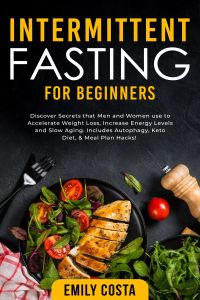
Intermittent Fasting for BeginnersEmily Costa1h 4m5.0 (6) Only with Ultra

Be rich - Subliminal-Hypnose um Geld zu manifestierenMichael Bauer59m$35 · $0.00

The Devil That Hides Behind The TonguePaulo Minosso2h 35m$8 · $0.00

Conversations that Bring Us CloserDanniel Silva2h 53m$1.80 · $0.00

Executive Dysfunction: How to Start TasksImad Muratspahic3h 23m$12 · $0.00
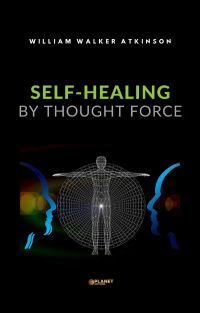
Self-Healing by Thought ForceWilliam Walker1h 1m4.2 (137)$3.50 · $0.00

Walking for LifeLena Brightwood9h 16m$11.50 · $0.00

How Much Car You Can AffordImad Muratspahic3h 4m$12 · $0.00

Be DifferentDianna Booher, Dr. Larry Iverson, Jonas Warstad6h 55m$25

Living CourageouslyEthan D. Anderson9h 47m$4.10 · $0.00

Power of PublishingWilliam Gladstone6h 58m$17

A Beginner's Guide To The Indian Stock Market | From the Creator of Zerodha Varsity - India's Largest Free Investing PlatformKarthik Rangappa4h 17m$18 · $0.00