About this audiobook
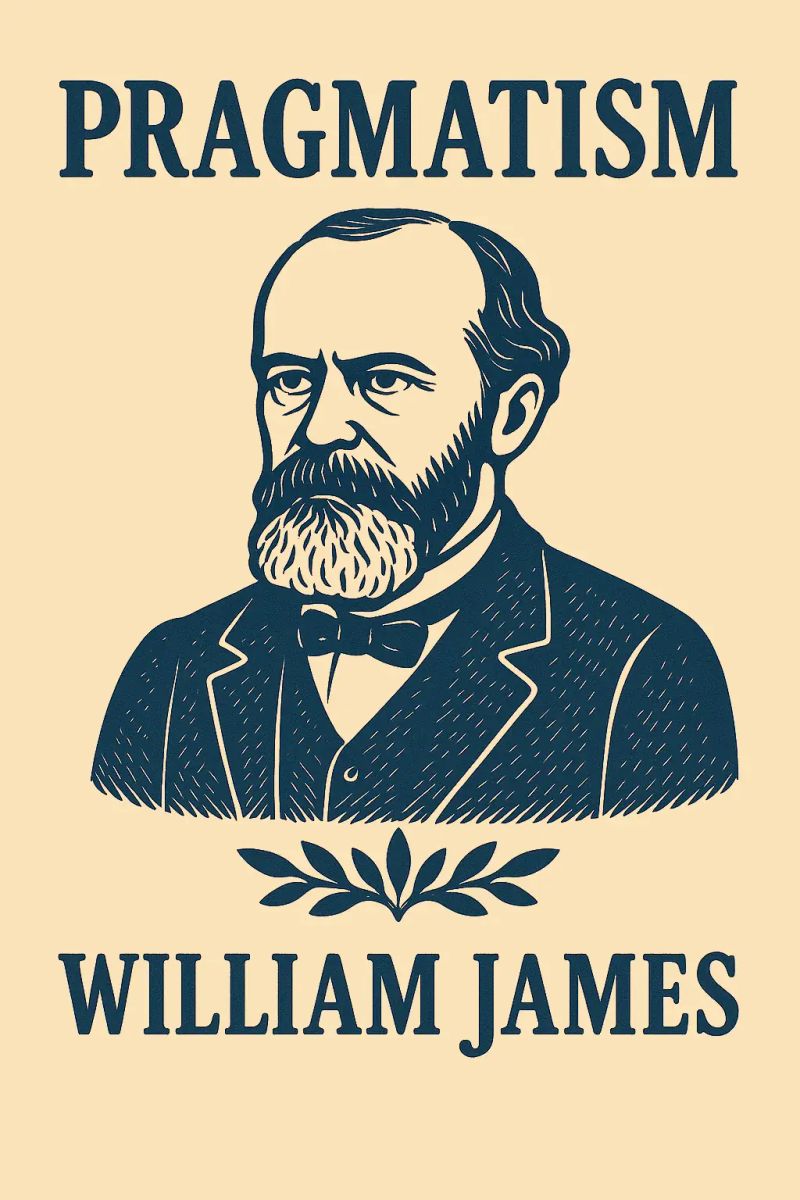
William James’s Pragmatism, published in 1907, originated from a series of public lectures he delivered in Boston and at Columbia University in 1906–1907. At the time, James was already a prominent figure in American philosophy and psychology, having helped establish psychology as a distinct empirical discipline. The book emerged in the context of a philosophical climate shaped by tensions between empiricism and rationalism, idealism and realism, as well as growing interest in applying philosophical ideas to concrete human problems. James synthesized and popularized the pragmatic method—originally associated with his friend Charles Sanders Peirce—as a way of clarifying ideas by examining their practical consequences. His approach emphasized pluralism, openness to experience, and the usefulness of beliefs, aligning with the broader American intellectual mood of the Progressive Era.
Thematically, Pragmatism is concerned with truth, meaning, and the role of ideas in guiding human action, treating beliefs as tools that evolve through their practical effects in lived experience rather than as fixed mirrors of reality. James framed pragmatism as a mediating philosophy, seeking a middle path between rigid absolutism and excessive skepticism, and he invited readers to view philosophy as continuous with everyday life. His energetic, accessible style and willingness to address both philosophical professionals and the general public amplified the reach of these ideas. The book had considerable influence on 20th-century thought, shaping American philosophical traditions, inspiring figures in education, politics, and literature, and contributing to the international recognition of James as one of the leading founders of American pragmatism alongside Peirce and John Dewey.