About this audiobook
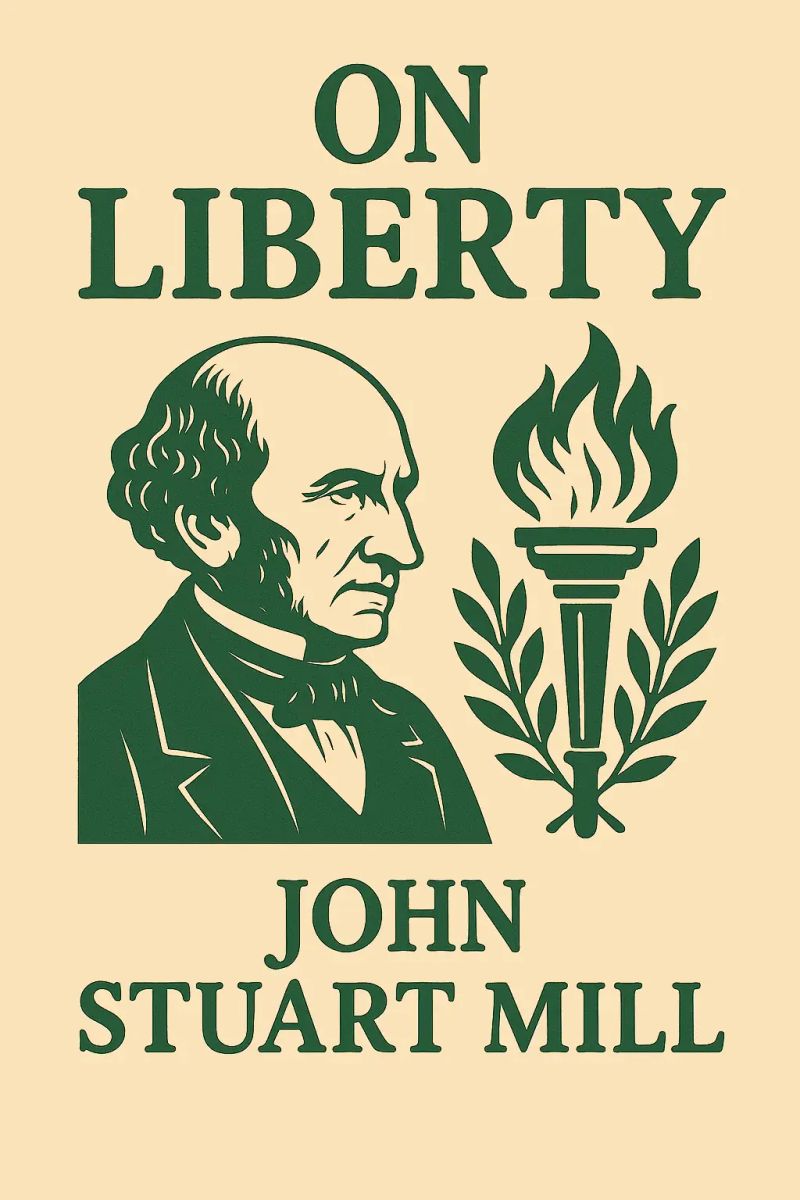
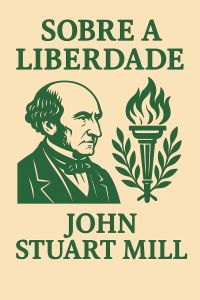
Published in 1859, John Stuart Mill’s On Liberty was written against the backdrop of rapid political, social, and industrial change in nineteenth-century Britain. The Victorian era was marked by debates over democratic reform, individual rights, and the limits of state power, especially in the wake of the Reform Acts and the growing influence of public opinion. Mill, a philosopher, economist, and political theorist influenced by utilitarianism and the liberal thought of his father James Mill and mentor Jeremy Bentham, sought to address the tension between individual freedom and the encroaching authority of both government and societal norms. His life, shaped by a rigorous classical education and a period of mental crisis in early adulthood, informed his deep concern for the cultivation of individuality as a counterweight to conformity.
On Liberty articulates a principled defense of personal autonomy, arguing for the limitation of authority to protect freedom of thought, expression, and action so long as no harm is done to others—a principle now often referred to as the “harm principle.” Written partly in collaboration with and inspired by his wife, Harriet Taylor Mill, the work interrogates both legal coercion and the subtler pressures of societal opinion. Its themes resonated well beyond Britain, influencing the development of liberal democracies and civil liberties discourse globally. The book’s emphasis on free speech, diversity of opinion, and the dangers of majority tyranny continues to shape philosophical, political, and legal debates into the present day.