About this audiobook
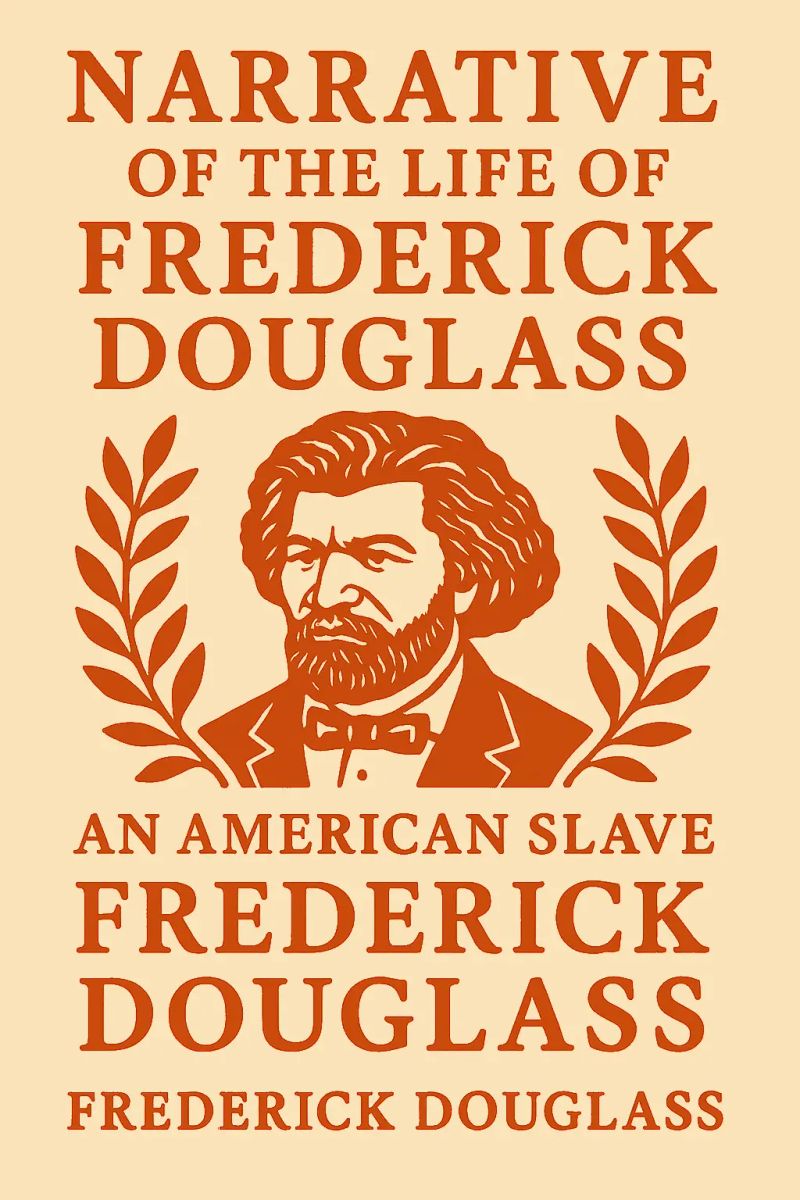
Frederick Douglass’s Narrative of the Life of Frederick Douglass, an American Slave (1845) arises from the author’s experiences as an enslaved man in early nineteenth-century Maryland and from the broader abolitionist milieu of the era. Born Frederick Augustus Washington Bailey, probably in 1817 or 1818 in Talbot County, Douglass was subjected to familial separation and the brutal discipline that defined slave society, yet he learned to read with the help of his master’s wife before escaping to New York in 1838 and adopting the name Douglass. His public career, an oratorical and organizational ascent that began with a Nantucket address to the Massachusetts Anti-Slavery Society in 1841, made him a prominent, controversial figure whose Life narrative sought to authenticate his slave experience for a national audience. Composed in English for Northern readers and issued in Boston with abolitionist backing, the Narrative deploys a disciplined first-person voice to indict slaveholding’s cruelties, interrogate the legal and religious rationalizations of bondage, and situate a singular life within a collective history of resistance.
Through its ethically charged scenes and reflective frame, the Narrative articulates themes of literacy and self-emancipation, maternal separations, and the sexual exploitation that underwrites the slave system. Douglass's depiction of Aunt Hester's brutal punishment, the undermining of family bonds, and the calculated cruelty of overseers functions not merely as biography but as a political argument designed to destabilize the logic of slavery and to appeal to Northern consciences and religious sensibilities. Douglass's analysis of the double relation of master and father—how the slaveholder can be both guardian and sire—underscores the text's critique of slavery's moral and legal order. The work also advances a careful methodological claim: the value of the slave's testimony as evidence against slaveholders' effronteries and the rhetoric of paternalism. As a text, it helped establish a canonical form of the slave narrative—probative, dramatic, and morally persuasive—thereby shaping later African American memoirs and abolitionist strategy, and contributing enduringly to the cultural memory and political grammar of emancipation.