About this audiobook
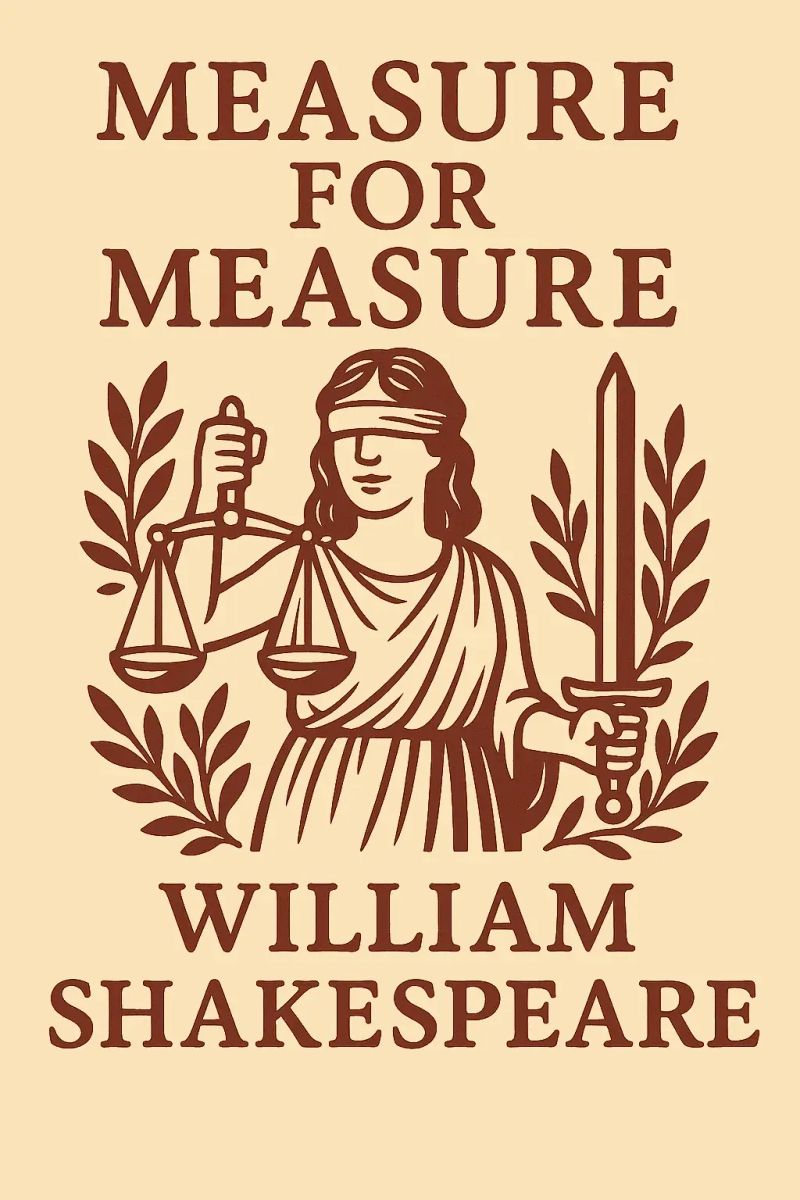
Measure for Measure, likely composed circa 1603–1604 by William Shakespeare, sits within the late Elizabethan to early Jacobean transition in English drama. Shakespeare, a playwright of the London stage, had by this moment already crafted histories, comedies, and tragedies that test the limits of law, authority, and human mercy. The work is written in Early Modern English, with the characteristic blend of high verse and low comic prose, alternating between formal blank verse for moral debate and demotic dialogue for earthy humor. Published in 1604 as a quarto, during the height of the English Renaissance, the play engages with contemporary concerns about governance, public order, and sexual morality in a manner echoing humanist debates about the nature of justice. Though set in a fictional Austrian city named Vienna, the text reflects English anxieties about magistracy, religious scruple, and the reach of state power within an emerging early modern polity. The Duke’s discreet governance—delegating power to Angelo, employing surveillance, and staging scenes of moral suasion—invites readers to read the drama as a meditation on the limits of authority and the performativity of virtue.
Scholarly consensus situates Measure for Measure among Shakespeare’s problem plays, which fuse tragic potential with comic relief to interrogate ethics and governance. Thematically, it interrogates the paradox at the heart of justice: severity, when measured without mercy, risks tyranny; mercy, when overridden by expedience, risks corruption. Angelo embodies a hypocritical moral absolutism that reveals the corruptibility of power when untethered from compassion, while Isabella embodies principled resistance and the costs of moral purity under political pressure. The Duke’s disguise and orchestration of events—his use of authority as performance rather than transparent rule—raises enduring questions about sovereignty, consent, and the governance of desire. The title’s refrain—measure for measure—functions as both a dramatic principle and an ethical watchword, suggesting that the appropriate standard of judgment shifts with context. The play’s intricate blend of prose and verse, of political intrigue and intimate vulnerability, has informed later theatre and criticism by foregrounding issues of justice, legitimacy, and reform within a compromised political order, thereby shaping modern inquiries into law, sexuality, and the moral limits of state power.