About this audiobook
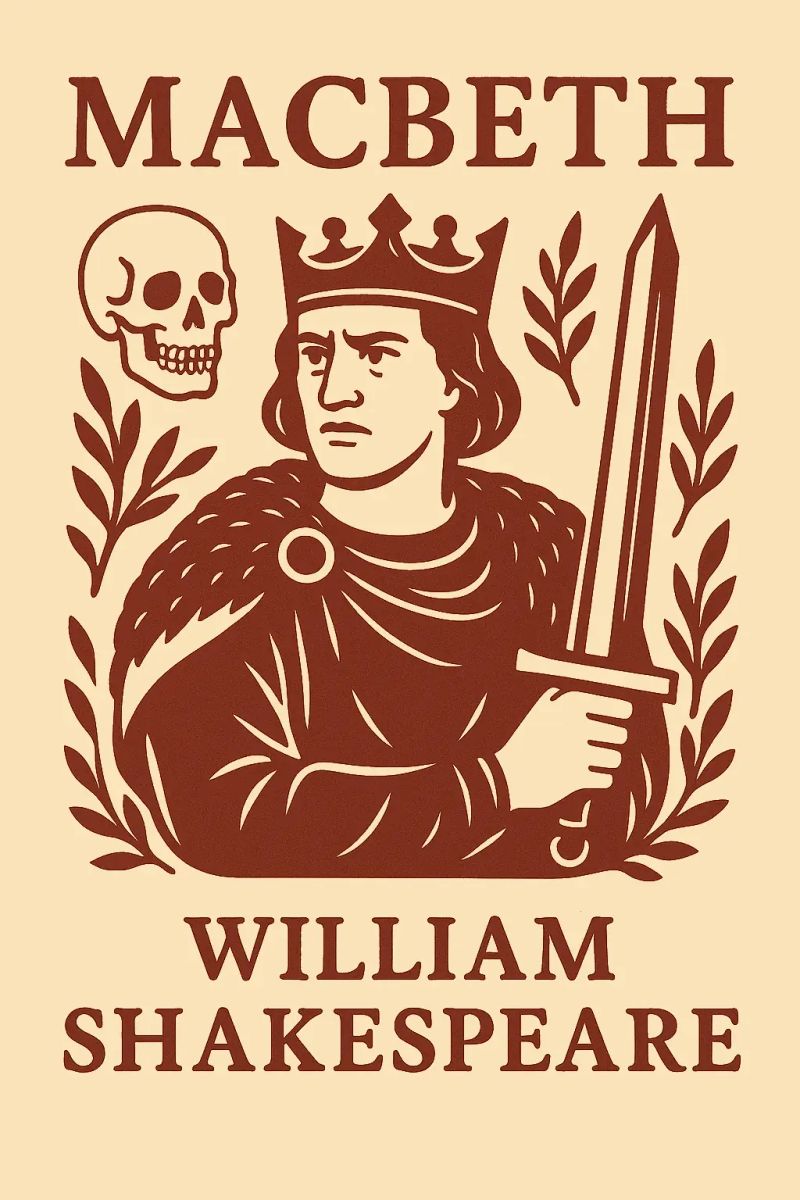
Macbeth is a tragedy by William Shakespeare, written in the early Jacobean period and first recorded in print in the First Folio of 1623, though generally dated to around 1606. Composed in Early Modern English for the London commercial stage, the play reflects Shakespeare’s mature engagement with questions of sovereignty, legitimacy, and political violence under the reign of James VI and I, whose interests in Scottish history and demonology formed part of the cultural backdrop to its reception. Drawing loosely on chronicle accounts of medieval Scotland, Shakespeare reshapes historical materials into a concentrated drama of ambition and moral collapse, framed by ominous meteorology, martial disorder, and the uncanny interventions of prophetic “weird sisters.”
The tragedy anatomizes the psychological and ethical consequences of regicide, exploring how desire for power corrodes judgment, language, and identity. Through tightly structured scenes of temptation, equivocation, and escalating brutality, the play links the public crisis of tyranny to the private experience of guilt, insomnia, and hallucination, while giving Lady Macbeth a central role in dramatizing the dynamics of persuasion, gendered performance, and conscience. Macbeth’s enduring influence is evident in its archetypal portrayal of overreaching ambition and moral disintegration, its memorable poetic imagery of darkness and blood, and its foundational place in later literary, theatrical, and cinematic treatments of political crime, prophecy, and the fragile legitimacy of rule.