About this audiobook
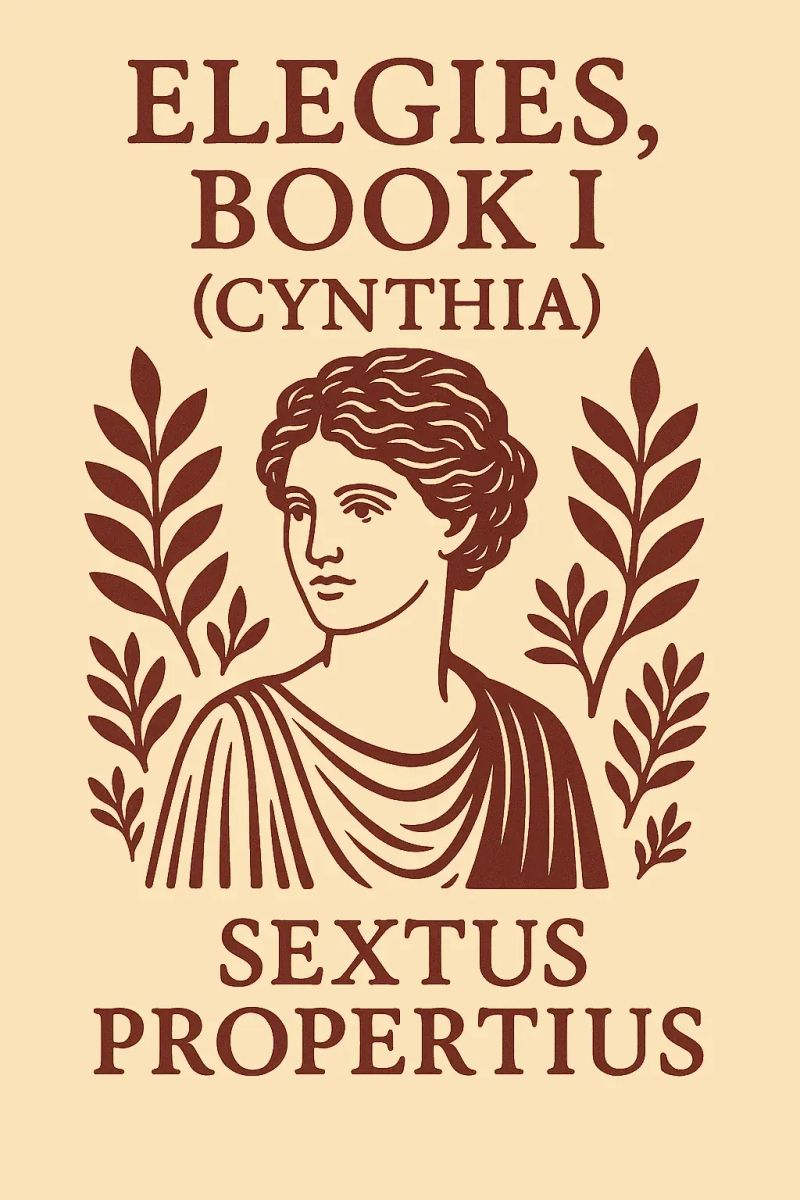
Sextus Propertius's first book of elegies, conventionally known since antiquity as the Cynthia Monobiblos, appeared in the late Roman Republic and early Augustan period, when Latin poets were transforming Greek love-elegy into a distinctively Roman, book-centered genre. An Umbrian poet linked to Maecenas's circle, Propertius composes in polished Latin elegiac couplets and presents this debut both as a public entry into Rome's literary elite and as an intensely personal record of erotic entanglement. Usually dated to the 20s BCE, around the consolidation of Augustan cultural patronage, the work negotiates the tensions between private experience and the ideological demands of the new regime. The collection is unified by the figure of Cynthia, the poet's dominant beloved and staged literary persona: Propertius dramatizes love as servitude and frenzy, enacting jealousy, exclusion, pleading, and self-reproach in a rhetoric that alternates intimacy and performance. Mythological exempla and learned allusion lift personal complaint into a competitive display of erudition and artistry, while repeated contrasts between the poet's chosen 'militia' of love and public ambitions of travel, war, and civic advancement refine an elegiac stance that became central to Roman erotic poetry. As an early and influential masterpiece of Latin love elegy, Book I helped define the genre's book-conscious design, its fusion of autobiography and fiction, and the enduring model of the poet-lover whose identity is both made and unmade by desire and song.