About this audiobook
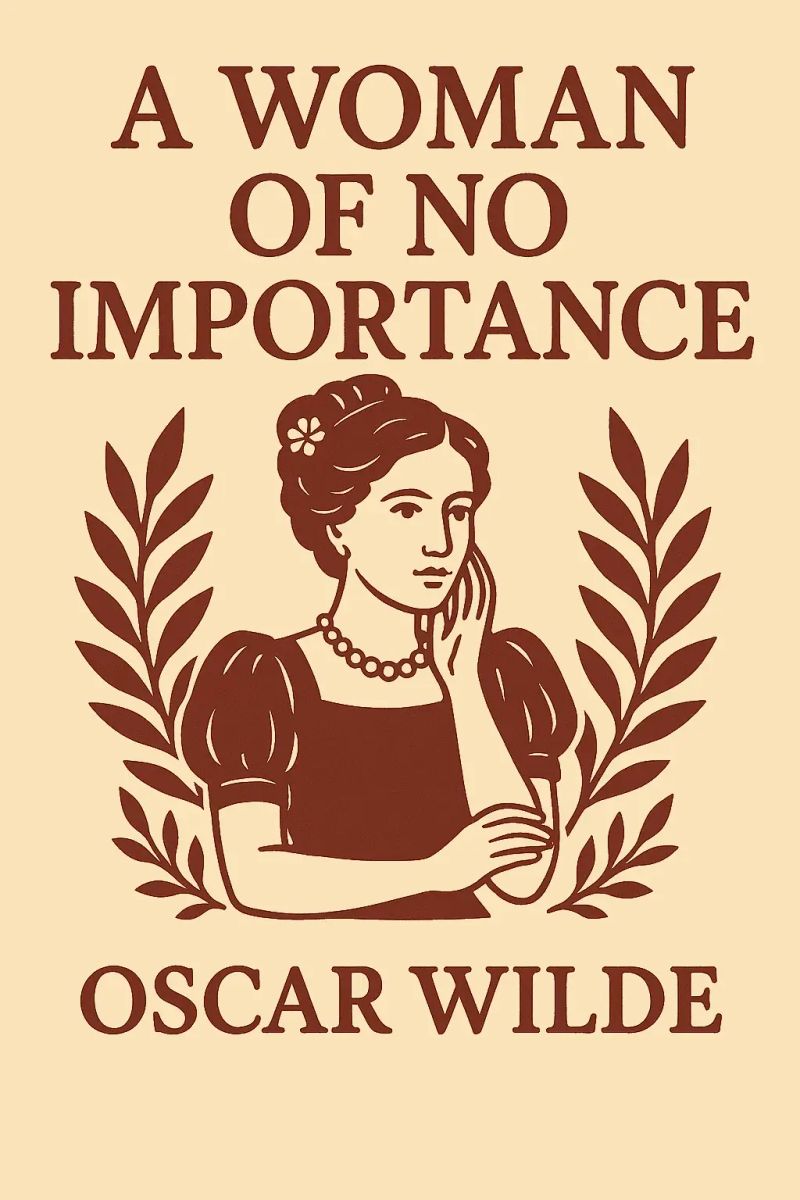
Oscar Wilde’s A Woman of No Importance is a late-Victorian society play first produced at London’s Haymarket Theatre in April 1893, at a moment when Wilde was celebrated for stage comedies that anatomized fashionable manners with epigrammatic brilliance. Written in English for the commercial West End, the drama belongs to the cultural world of the 1890s in which drawing-room wit, anxieties over respectability, and public debates about morality and gender roles were entwined with imperial self-confidence and the policing of sexual and social transgression. The play’s original theatrical context—star actors, an elite audience, and the conventions of the well-made play—frames Wilde’s characteristic strategy of using the surfaces of high society as a stage on which deeper hypocrisies can be exposed.
Thematically, the work juxtaposes the performative codes of aristocratic “purity” and propriety with the unequal moral economy that excuses male libertinism while condemning women for comparable or coerced sexual histories. Through its country-house setting, its American outsider figure, and its brilliant but corrosive dialogue, the play scrutinizes reputation as a social weapon and probes the costs of sentiment, sincerity, and moral judgment in a world governed by style and status. Often read alongside Wilde’s other drawing-room comedies, it extends the comedy of manners toward sharper melodramatic confrontation, contributing to modern understandings of Victorian gender politics and the rhetoric of respectability; its enduring influence lies in how it turns polished wit into an instrument of ethical critique without relinquishing theatrical pleasure.