About this audiobook
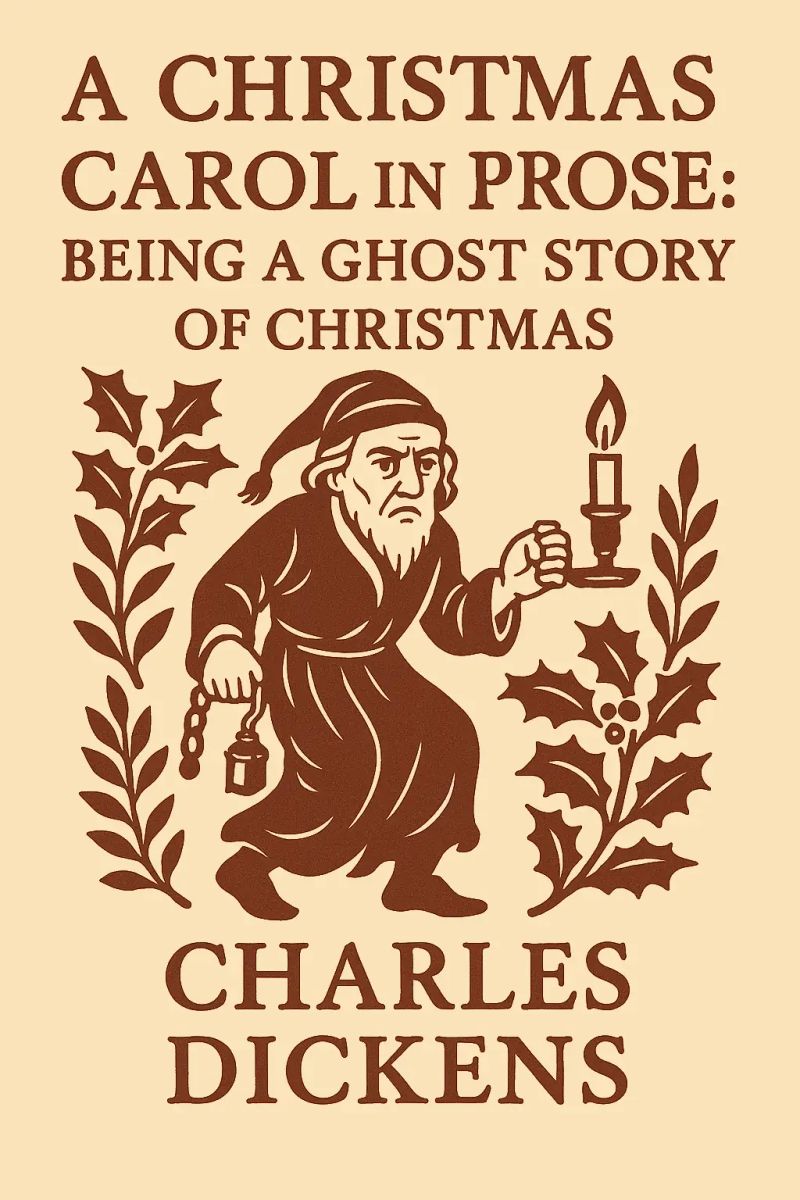
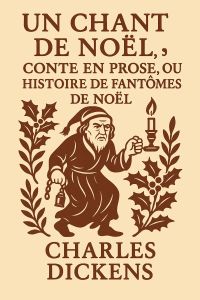
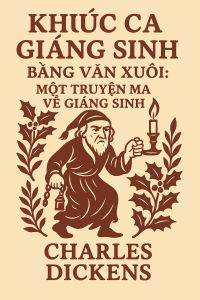
Charles Dickens published A Christmas Carol in Prose, Being a Ghost-Story of Christmas in 1843, at a moment of acute urban poverty and reformist debate in Victorian England. Dickens, born in 1812 to a family of modest means, by the early 1840s had established himself as a leading novelist and social critic, renowned for lucid, capable prose that blends satire, sentiment, and moral instruction. The novella appeared from Chapman and Hall as a compact, illustrated volume, intended for a broad middle-class readership, with the aim of rekindling holiday generosity while critiquing the harsh logic of the Poor Law. The opening pages—Marley’s deadpan repetition, Scrooge’s arctic asceticism, and the narrator’s moral inscription—embed the work within a tradition of Gothic and realist narrative while foregrounding urban realism: fog-choked streets, debt-laden language, and a narrator who articulates a circulating social concern. In this sense A Christmas Carol emerges from and contributes to the Victorian print culture that sought to reform social attitudes through accessible prose, public philanthropy, and a Christmas-centered rhetoric of humane reform.