About this audiobook
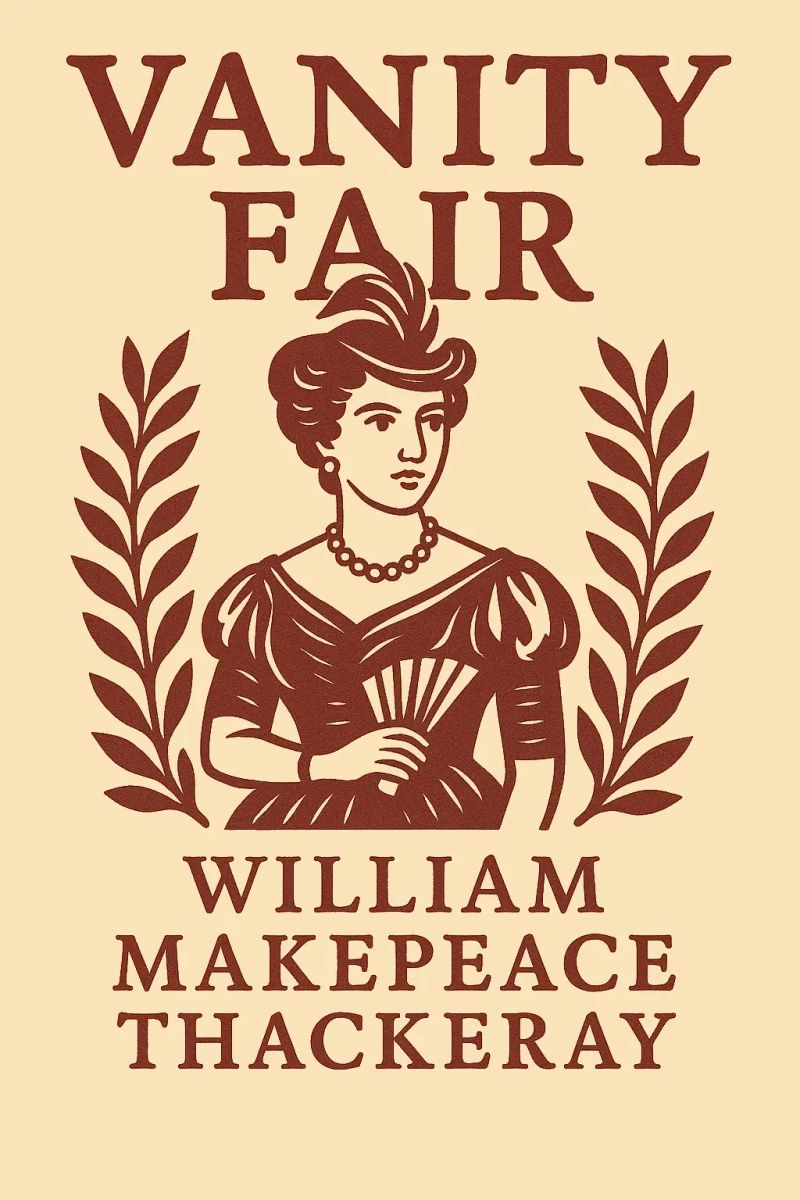
William Makepeace Thackeray’s Vanity Fair emerged from the milieu of early Victorian print culture and was first issued in monthly parts in London between 1847 and 1848 before appearing in book form. Thackeray, an English novelist and satirist shaped by the periodical press and by post-Napoleonic Britain’s unstable social hierarchies, wrote in a moment when the realist novel was consolidating its authority as a form of social knowledge. Set principally against the backdrop of the Regency and the Napoleonic Wars, the narrative’s opening in the precincts of a fashionable girls’ academy immediately situates the reader within a world governed by money, rank, and performance, while its omniscient, digressive narrator advertises the work’s self-conscious relation to contemporary reading publics and moral expectations.
Subtitled A Novel Without a Hero, the book anatomizes a society in which virtue is repeatedly subordinated to social advantage, and in which identity is treated as a repertoire of roles to be deployed in pursuit of security and status. Thackeray juxtaposes the calculated resourcefulness of Becky Sharp with the sentimental goodness of Amelia Sedley to expose the limits of conventional moral typologies, using irony, direct address, and a theatrically managed narrative voice to implicate readers in the pleasures of judgment and gossip. Its enduring influence lies in its fusion of panoramic social satire with psychologically acute characterization and its critique of commodified gentility, helping to define the Victorian realist tradition while anticipating later novelistic explorations of unreliable social performances and the ethics of spectatorship.