About this audiobook
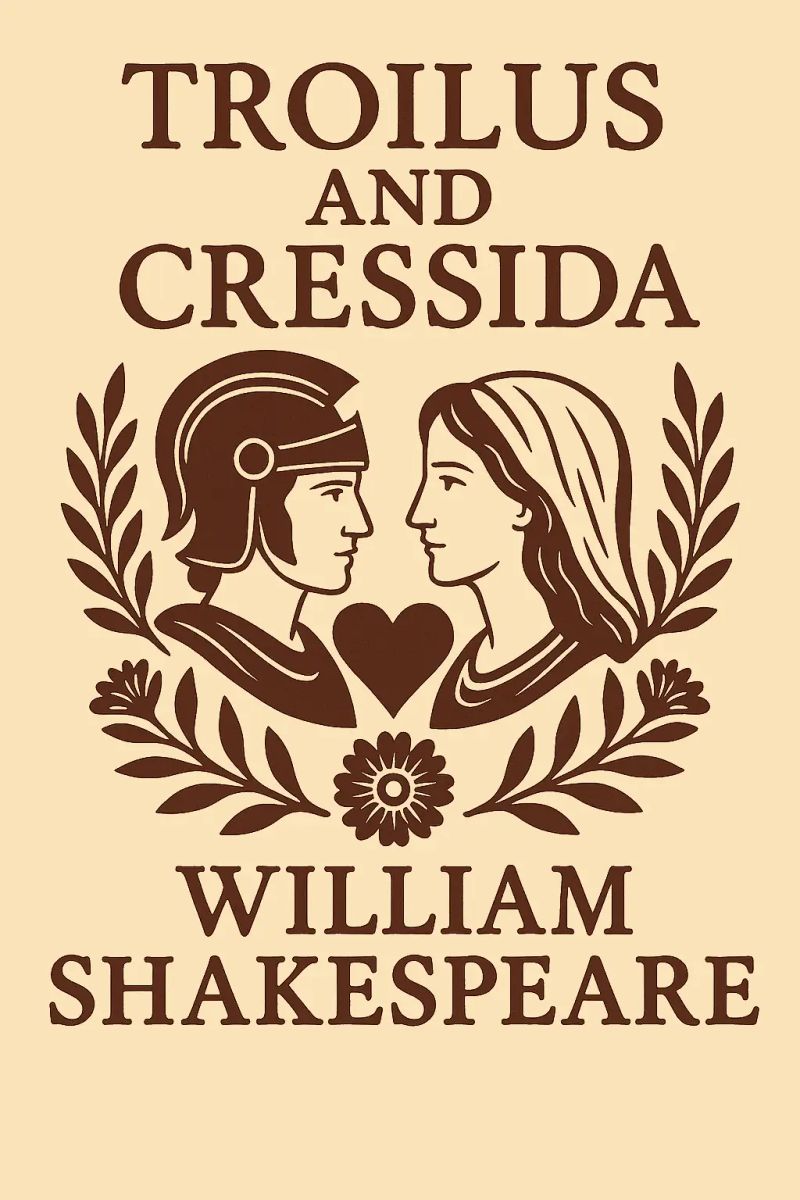
Troilus and Cressida is traditionally attributed to William Shakespeare, composed at the turn of the seventeenth century, in the late Elizabethan–Jacobean moment of English drama. The play circulated in print as The Famous History of Troilus and Cressida in 1609 and was later folded into the First Folio (1623), though its textual history reveals considerable variation and revision. It draws on Homeric and medieval sources—Homeric Trojan War myth and Chaucer’s Troilus and Criseyde—yet transgresses genre by blending epic romance with political satire and a rising cynicism about martial virtue. The language embodies Early Modern English, alternating elevated verse with brisk wit and earthy dialogue, and the Prologue’s self-conscious address signals a formal experimentation with audience expectations around heroism, war, and performance. Its immediate cultural milieu—Elizabethan and early Stuart England—was preoccupied with questions of governance, legitimacy, and the costs of war, all of which the play interrogates through a disenchanted lens. The publication context, rooted in London’s print economy and theatrical circuits, reflects a text that likely circulated in performance before it was fixed in print, with scribal variants and possible collaborations shaping its printed form.
Thematically, the drama probes the fragility of honour and the mutable ethics of conflict, staging Trojan and Grecian actors who champion valor even as their actions reveal self-interest, manipulation, and moral ambiguity. Pandarus’s erotically charged meddling, Troilus’s inward conflict about Cressida, and the broader critique of heroic posturing converge in a narrative that distrusts epic solemnity while preserving a dramatic intensity that keeps the human costs palpable. The play’s hybrid form—interweaving Iliadic allusion, classical rhetoric, and contemporary stage realism—anticipates later modern critiques of war and helps incubate a tradition of anti-heroic drama, influencing productions and criticism toward ambiguity, irony, and moral unease. The reception of Troilus and Cressida as a “problem play”—a label that endures in scholarship—has shaped modern performance practice, from stark naturalism to metatheatrical experimentation. In its language and dramatic architecture, the work remains a touchstone for studies of early modern stagecraft, classical adaptation, and the skeptical imagination that defines much of Shakespeare’s late career.