About this audiobook
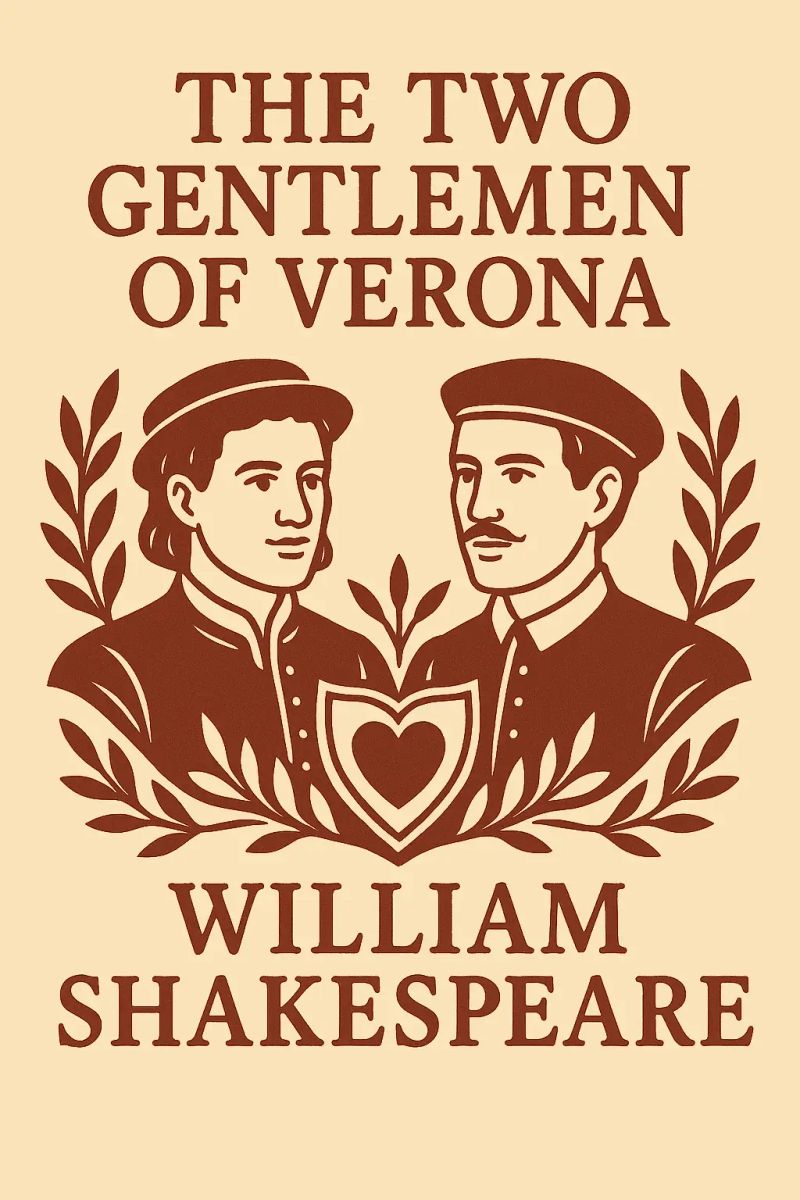
Two Gentlemen of Verona is generally dated to the early 1590s, among Shakespeare's earliest surviving comedies. Composed in Early Modern English, it reflects the transitional stage of Elizabethan theatre in which verse and prose alternate and urban settings are yoked to rustic misrule. The play circulated in quarto form before being incorporated into the First Folio (1623), a testament to the evolving textual economy and the editorial labor surrounding the Shakespearean canon. Its dramatic world—Verona and Milan; the banter between friends Protheus and Valentine; and the social preoccupations with love, fidelity, and reputation—mirror the period's preoccupations with courtly manners, mobility, and wit. The linguistic texture, informed by late medieval and Renaissance idiom, features puns, proverbs, and swift shifts between verse and prose, marking a crucial stage in Shakespeare's growth toward the more intricate plots and tonal variety of his later comedies.
Scholars often read the play as a meditation on fidelity, friendship, and the consequences of desire, with the plot testing whether romantic passion can override loyalty to a friend. Its dramatic engine—disguises, letter-writing intrigues, and rapid negotiation of social fault-lines—anticipates the formal devices that would become staples of Shakespeare's comedies of manners. Through its treatment of appearances versus reality, filial and gender performance, and the negotiation of social rank, the play contributes to debates about virtue and wit that shaped the evolution of English Renaissance comedy. Though sometimes considered a lighter earlier work, Two Gentlemen helped establish a workable fusion of romantic sentiment and comic irony that influenced later masterpieces and fed into the broader European tradition of stage comedy, informing subsequent explorations of love, friendship, and the costs of flirtation.