About this audiobook
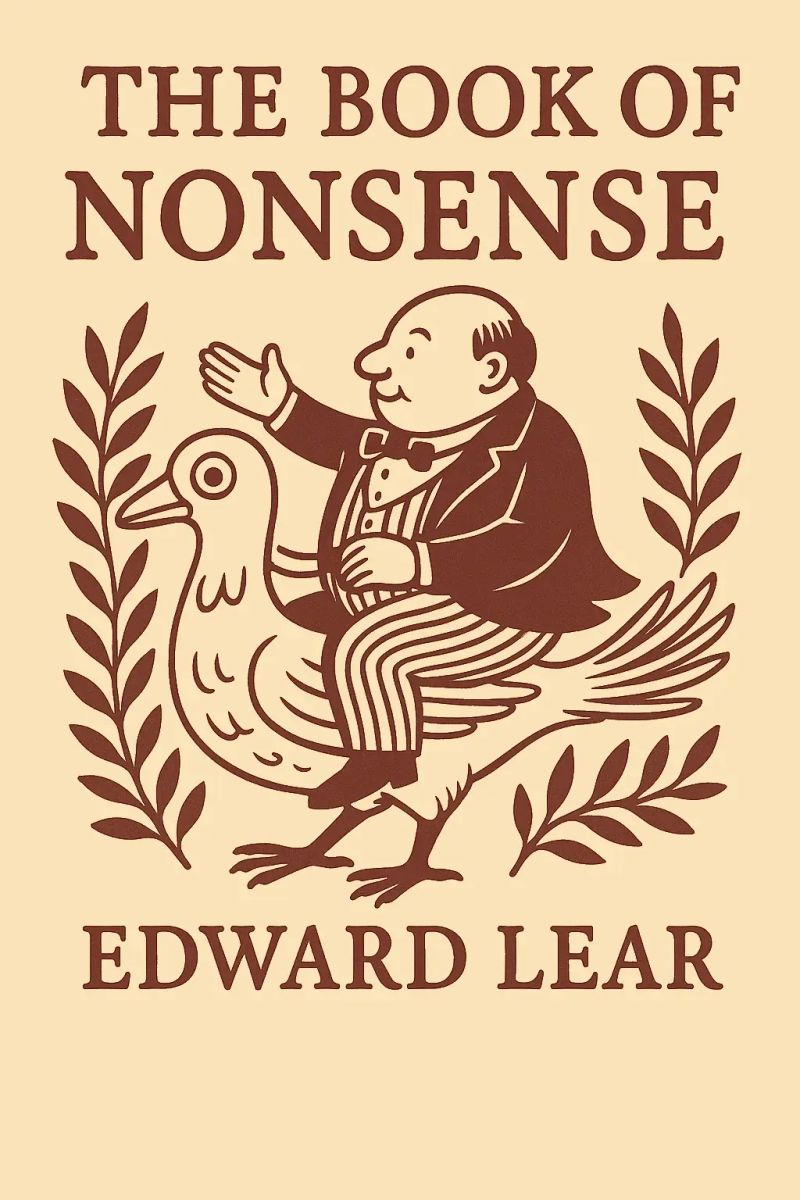
Edward Lear (1812–1888) was an English painter, draftsman, and writer whose career helped to institutionalize nonsense verse within children's literature. Born in London, Lear built a reputation as a gifted illustrator and educator before turning to poetry, and his literary practice repeatedly fused linguistic audacity with visual wit. A Book of Nonsense, first published in 1846 in London, collects a sequence of limericks—short, five-line verses characterized by a tight aabba rhyme scheme—paired, in many editions, with Lear’s own drawings. Emerging in the early Victorian period, the work belongs to a moment of expanding literacy, rising print production, and a growing market for children’s books that balanced amusement with moral and aesthetic cultivation. Its compact, zany geometry of humor—set in places as varied as Smyrna, Kilkenny, and Madras—exemplifies Lear’s cosmopolitan imagination and his commitment to playful, non-solemn language as a vehicle for imaginative engagement.
Structurally, the poems inaugurate a mode of comic narrative in which an archetypal Old Man or Young Lady encounters an absurd predicament and the verse exploits pun, sound play, and brisk situational reversals to generate laughter. The book’s humor rests less on sustained plot than on the rhythmic felicities of language—the invented epithets, alliteration, internal rhymes, and extravagant imagery that animate each tableau. Through its recurring anti-hierarchical mood, it quietly destabilizes conventional social types and celebrates linguistic elasticity, a feature that invites readers to join in the joke rather than merely observe it. The Book of Nonsense helped consolidate the limerick as a staple of English children's verse and exerted a lasting influence on later nonsense writers and illustrators, including Lewis Carroll; its integration of brisk verse with visual decoration anticipated the modern picture-book alliance of text and image and its delight in cross-cultural toponyms and eccentric personalities has left a durable imprint on the sensibility of English-language humor and the pedagogy of playful language.