


Length14h 33m
About this audiobook
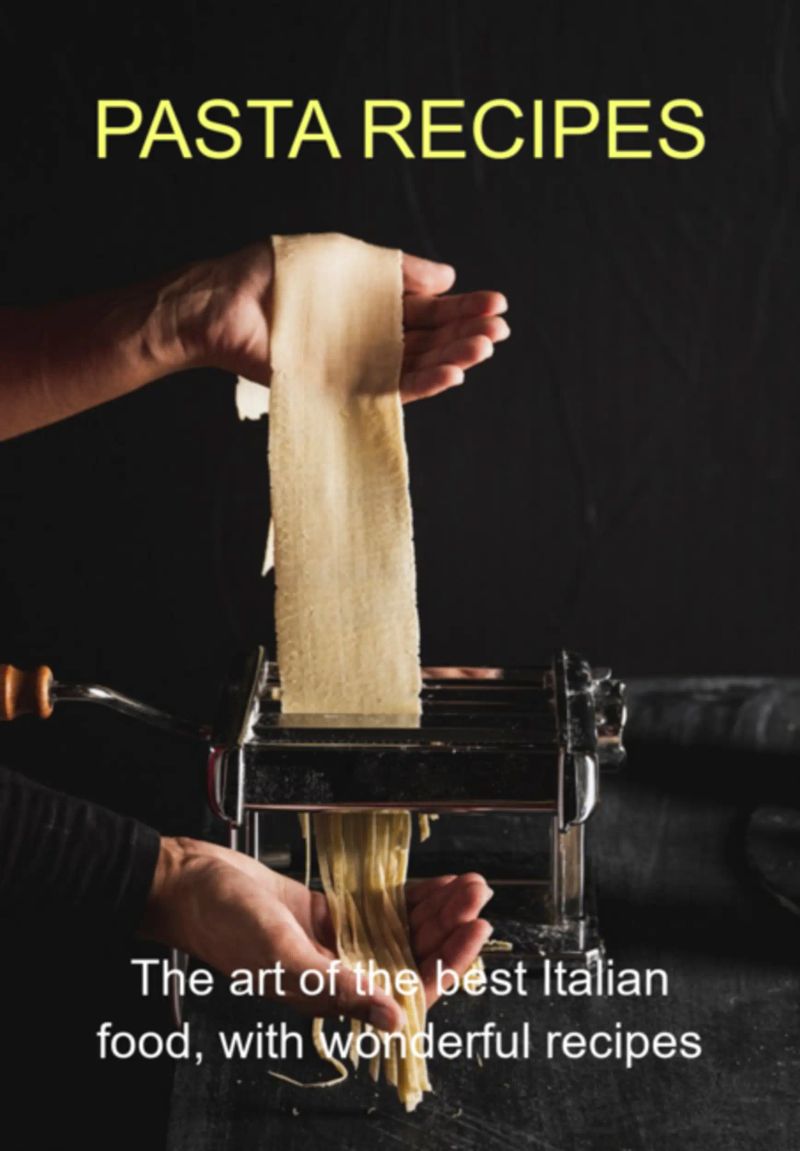
Pasta making is, at its most basic, an act of humility. It's repetitive, precise manual labor—a simple gift to the gods of gluten offered up in flour-dusted basements and prep kitchens around the world. It is ceremonious only in its utter lack of ceremony. What has always appealed to me is how the frank marriage of two ingredients—whether flour and water or flour and eggs—splinters into hundreds of variations of stuffed, rolled, extruded, dried, stamped, and hand-cut shapes; how each has its own origin story, rhythmic set of motions, and tools; and how mastery can sometimes come down to an elusive sleight of hand: the flick of a wrist, the perfect twist of the index finger away from the thumb. Movements learned only through practice. In the two years between leaving A Voce in Manhattan and opening my first restaurant, Lilia, in Brooklyn, I spent most of my days at home learning, for the first time since I was a kid, what it meant to cook not for accolades or recognition but for comfort. There was no Michelin. No New York Times. No owners. No need to prove that a Jewish kid from Connecticut with no Italian heritage had any business cooking Italian food. No longer were my thoughts, Is this nice enough? or Is this cool enough? but rather, What kind of food do I want to eat? or What food do I want to cook? and most importantly, Why? I was cooking pasta that paid homage to Italy's iconic regional dishes, sure, but the virtue of craveability was paramount. It's why my food at Lilia and my second restaurant, Misi, is so rooted in home cooking, and it's perhaps the only way to explain how a dish as simple as rigatoni with red sauce ended up on Lilia's opening menu, and then once again at Misi. I wanted to serve the food that I like to eat—the food I'd always been cooking, just stripped down to the studs and rebuilt with a simple mantra in mind: quanto basta. In Italian cookbooks, quanto basta is typically represented as "q.b." It translates to "as much as is necessary," and it appears when an ingredient is listed without an exact quantity. It's essentially the Italian version of "salt to taste," but it has come to symbolize a shift in focus for me—one that places simplicity and comfort first and always makes me ask, Is this really necessary? It took me decades to get here. This book is meant as a ride-along, from red sauce to regional classics to the pastas I've made my own. At its core is a journey back to the home regions of some of my favorite pastas in an effort to understand them with new clarity—to gain a deeper knowledge of not only how they are faring in a country undergoing constant culinary evolution but also of their sense of place. Perhaps more than anything, though, this book is my love letter to pasta. What has made pasta the cornerstone of Italian culinary culture for centuries, an indelible part of so many Americans' early food memories, and a food so eminently alluring that even the gluten averse cannot resist its siren song is that it asks, first and foremost, something elemental of us: that we enjoy it.
Audiobook details
GenreOther
Length14 hrs 33 mins
Narrated byListen with 1,000+ voices
FormateBook with Audio
Publish dateFeb 18, 2024
LanguagePortuguese
Table of contents
1How to Make Pasta
26Tagliatelle
2About Flour
27Tagliolini
3Equipment
28Tajarin
4Fresh Pasta
29Hand Shaped
5Egg Dough
30Fileja
Show all chaptersShow less
6Green Dough
31Busiate
7Ricotta Gnocchi Dough
32Gnudi
8Gnudi Dough
33Malloreddus
9Whole-Wheat Dough
34Orecchiette
10Chestnut Dough
35Trofie
11Espresso Dough
36Pici
12Chickpea Dough
37Ricotta Gnocchi
13Buckwheat Dough
38Stricchetti
14Cocoa Dough
39Filled
15Rolling and Sheeting Your Dough
40Balanzoni
16Extruded Pasta
41Agnolotti
17Extruded Dough
42Agnolotti dal Plin
18The Shapes
43Cannelloni
19Hand Cut
44Cappelletti
20Fettuccine
45Caramelle
21Maccheroncini di Campofilone
46Casunziei
22Mandilli di Seta
47Cjalsons
23Pappardelle
48Culurgiones
24Pizzoccheri
49Mezzelune (pt. 1)
25Strangozzi
50Mezzelune (pt. 2)

Aprenda Fazer Licores Deliciosos E Lucre Muito Com Vendas OnlineJideon F Marques2h 39m$12 · $0.00

Receitas De Bolo GeladoJideon F Marques1h 30m$10 · $0.00

Manual De Tdah Para AdultosJideon F Marques3h 56m$12 · $0.00
Make Your Own Cider Techniques For Fermenting And Flavoring Your Cider To Make It DeliciousJideon F Marques11h 15m$10 · $0.00

Adobe Photoshop 2022 Para IniciantesJideon F Marques1h 54m$21 · $0.00

O Grande Livro Dos Significados Do TarôJideon F Marques10h 6m$17 · $0.00
Learn To Ferment Everything How To Make Kimchi Or Fermented FishJideon F Marques8h 36m$13 · $0.00

O Vínculo Mais PuroJideon F Marques7h 40m$12 · $0.00
O Manual Do Intestino SaudávelJideon F Marques6h 42m$9 · $0.00

Você É Mais Do Que Lhe Disseram: Descubra Uma Nova Maneira De Viver Através Dos Ritmos De JesusJideon F Marques6h 56m$9 · $0.00
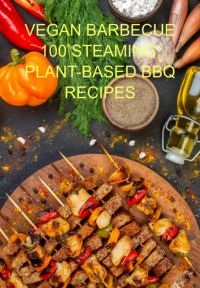
Vegan Barbecue 100 Steaming, Plant-based Bbq RecipesJideon F Marques4h 8m$15 · $0.00

Numerologia Do Nome Do BebêJideon F Marques5h 12m$9 · $0.00

Metas Levam Você Ao Topo!Jideon F Marques5m$8 · $0.00
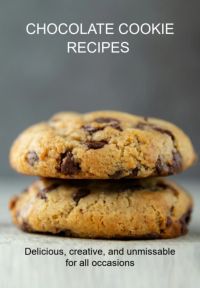
Chocolate Cookie Recipes Delicious, Creative, And Unmissable For All OccasionsJideon F Marques6h 40m$12 · $0.00

Venda Suas Fotos Online No Negócio Mais Lucrativo Do MundoJideon F Marques2h 41m$15 · $0.00

O Segredo Para Um Casamento Feliz – 2 Livros Em 1: Descubra 10 Passos Simples Para Transformar Sua Confiança Quebrada Em Um Casamento Feliz E Parar De Se Sentir Inseguro No AmorJideon F Marques4h 4m$11 · $0.00

Cuidados Puros Com A PeleJideon F Marques4h 44m$9 · $0.00

Bíblia De Cura Dos Chakras: [5 Em 1]Jideon F Marques4h 45m$10 · $0.00

Um Gostinho Do MéxicoJideon F Marques4h 39m$8 · $0.00

Biscoitos FrancesesJideon F Marques5h 27m$12 · $0.00

Nos passos do Salvador: Acompanhando a jornada de Cristo pela Terra PrometidaMax Lucado5h 54m4.8 (1K)$14 · $0.00

A grande história da BíbliaN.T. Wright5h 26m4.7 (1K)$30 · $0.00

Vida: A minha história através da HistóriaPapa Francisco6h 24m4.3 (2.2K)$9 · $0.00

Micro-hábitosB.J. Fogg12h 25m4.1 (16.9K)$9 · $0.00

Graffiti MoonCath Crowley7h 21m4.0 (20.2K)$5 · $0.00

O drama do projetoFelipe Kaizer7h 8m$9 · $0.00

Árbitro de futebolFábio Baesteiro4h 52m$12 · $0.00

III - 1938 FrançaNelson Gonçalves da Silva Neto10h 22m$20 · $0.00

Guia Essencial Para EmpreendedoresJoão Sá3h 14m5.0 (1)$6 · $0.00

The Beatles Tune In - Todos esses anosMark Lewisohn23h 44m4.7 (8.8K)$21 · $0.00

Elvis PresleyPeter Guralnick, Henrique Guerra22h 29m4.8 (270)$17 · $0.00

Uma dieta além da modaJosé Carlos Souto12h 45m4.7 (4.8K)$9 · $0.00

O Mestre e Margarita (Traduzido)Mikhail Bulgakov17h 29m4.6 (10.6K)$3.40 · $0.00

O Espírito da ArteRobert Henri8h4.7 (595)$3 · $0.00

Dom Quixote - Vol. Ii - CervantesFabio Lins Org19h 50m4.7 (1.4K)$6 · $0.00

Lado CLuiz Felipe Carneiro, Tito Guedes9h 49m4.7 (263)$8 · $0.00

Obras Completas De Beatrix PotterBeatrix Potter7h 53m4.6 (2.3K)$12 · $0.00

SensationsYamí2h 32m4.6 (1.6K)$7 · $0.00

The Big Bang TheoryJessica Radloff, Fernando Scoczynski Filho21h 2m4.7 (265)$20 · $0.00

A dançaKlauss Vianna4h 1m4.7 (301)$7 · $0.00
You may also like

Virada de chavePatrick Santos12m4.5 (294)$1 · $0.00

Lili E O Mundo Cor-de-rosa - Livro 10Alice Alves21m$5 · $0.00

O Segredo Da Estrelinha CuriosaLuiza Pazo19m$9 · $0.00

Grupo 3 - A Criança, A Cidade E A PesquisaCrianças Do Grupo 3 Da Escola Prima1h 10m$16 · $0.00

Conexões Educação Infantil E Educação AmbientalValdir Nogueira1h 49m$4 · $0.00

Reflexão Sobre O TempoLeandro Bertoldo1h 58m$5 · $0.00

Cartas para Philip Glass e Shania Twain mais jovensPhilip Glass, Shania Twain25m$2 · $0.00

300 Histórias Para Se InspirarLuca Moreira6h 31m$9 · $0.00

Como usar a biblioteca na escolaBernadete Campello, Marlene Edite Pereira de Rezende, Márcia Milton Vianna, Paulo da Terra Caldeira, Vera Amália Amarante Macedo, Vera Lúcia Furst Gonçalves Abreu8h 10m4.8 (11)$9 · $0.00

O que vem depois?Luiz Roberto Dante11m$9

Atividades De Língua Portuguesa:Jéssica Câmara Siqueira1h 22m$5 · $0.00

Camaradas - Carla Pernambuco, Rodrigo OliveiraRoberto Pinto36m$2 · $0.00

Marketing em ProsaLéo Lourenço3h 37m$2 · $0.00

A jornada da folhinha: Edição acessível com descrição de imagensFernanda Emediato19m$9 · $0.00

Sociologia ContemporâneaRenato Collyer8h 54m$5 · $0.00

Saberes CartográficosClézio Santos10h 43m$4 · $0.00

Grupo 4 - Natureza E TransformaçãoEscola Prima2h 23m$9 · $0.00

Primeiro Imóvel:Luís Henrique Fagundes Siqueira1h 53m$11 · $0.00

A Fotografia da Minha Vida com SôniaVinícius Lescio24m$5 · $0.00

AAARTAndré Arruda8m$31 · $0.00