About this audiobook
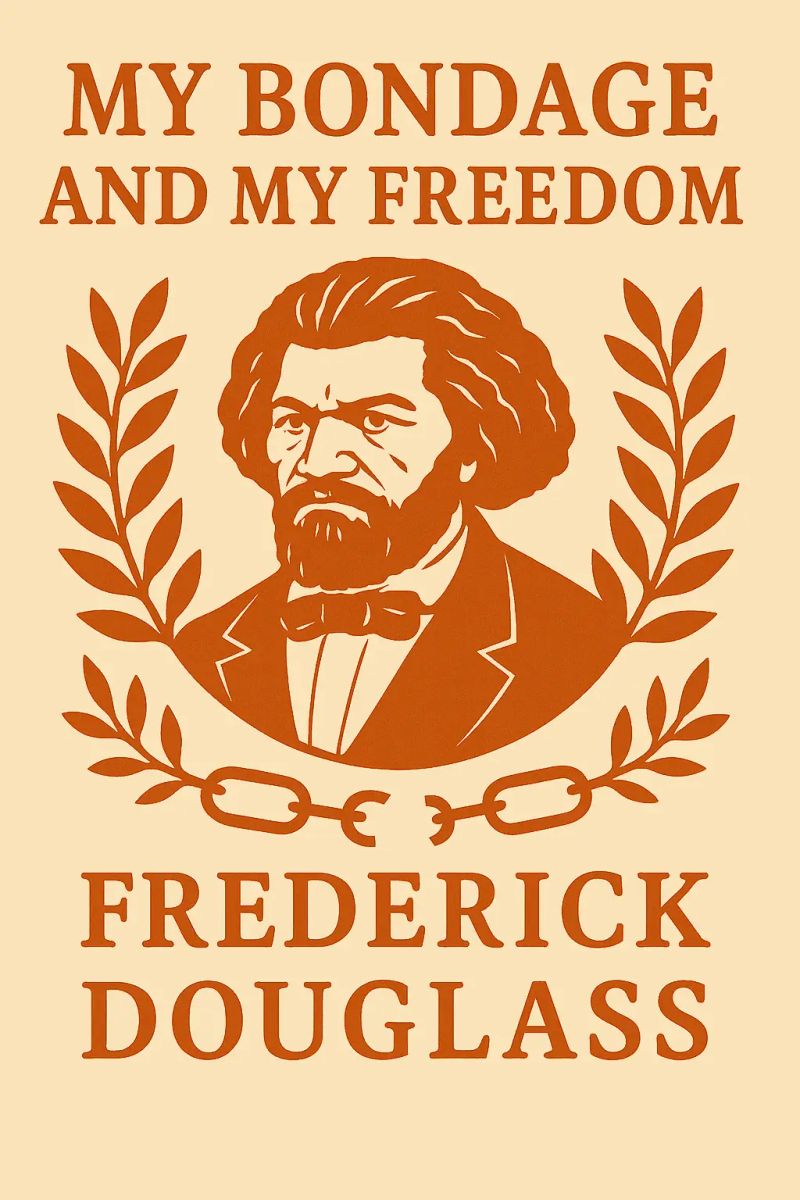
Frederick Douglass (c. 1818–1895), a formerly enslaved Marylander who became one of the nineteenth century’s most prominent abolitionist orators and writers, published My Bondage and My Freedom in 1855 amid intensifying sectional conflict in the United States. Written in English for a transatlantic antislavery readership, the narrative revisits his early life on Maryland’s Eastern Shore, foregrounding the environmental austerity of places like Tuckahoe and the legal-archival erasures imposed by slavery, including uncertainty about birthdates and parentage. Appearing a decade after his 1845 Narrative, the book reflects Douglass’s increased rhetorical authority and political independence, offering a fuller autobiographical record shaped by his experiences in abolitionist politics, journalism, and public debate.
The work combines documentary testimony with a sophisticated literary craft, using close description, irony, and moral analysis to expose slavery’s systematic violence against kinship, memory, and selfhood. Douglass emphasizes how forced separations, the commodification of children, and the suppression of genealogical knowledge function as deliberate technologies of domination, while also depicting the fragile shelters of affection and community that persist within bondage. Often read as both a revision and expansion of his earlier autobiography, the book deepened the genre of the slave narrative by coupling personal experience with structural critique, and it exerted enduring influence on abolitionist literature, African American autobiography, and later accounts of racialized unfreedom by insisting that personal history is inseparable from political argument and ethical witnessing.