About this audiobook
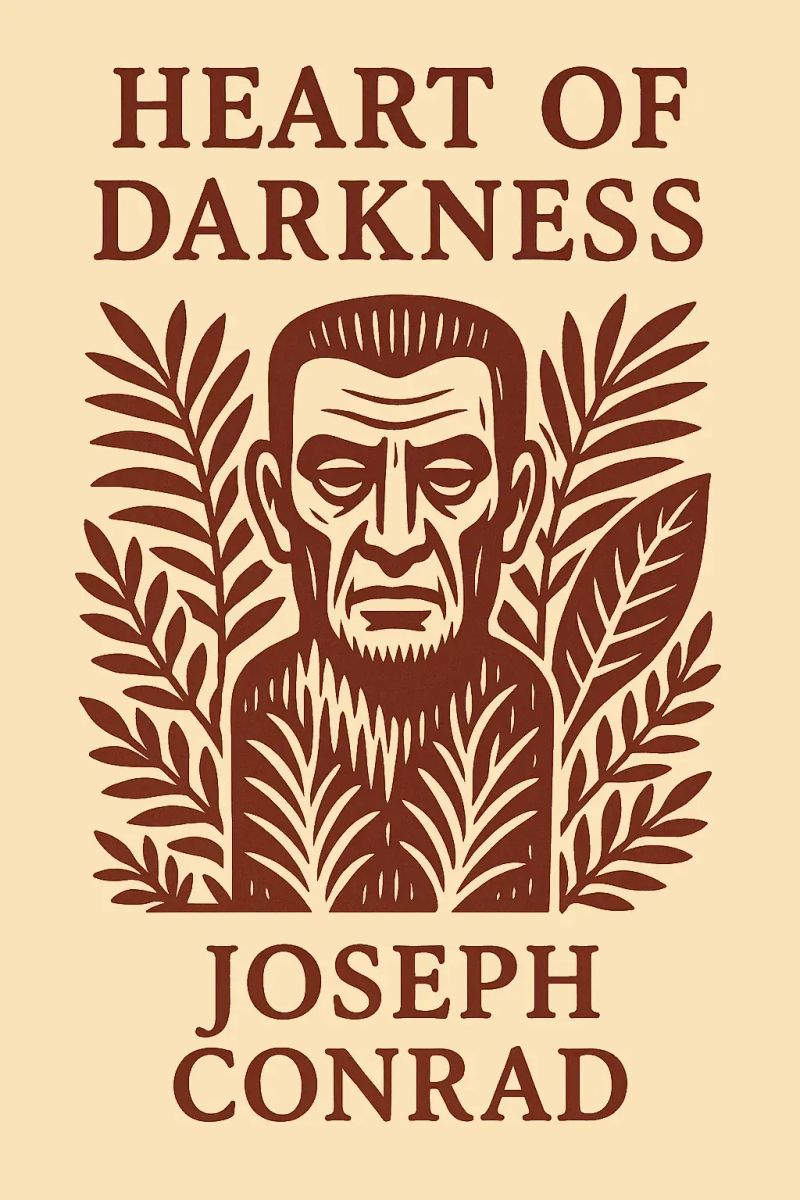
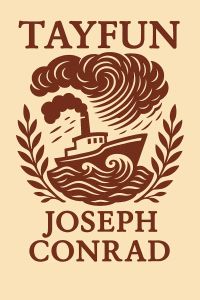
Joseph Conrad (born Józef Teodor Konrad Korzeniowski, 1857–1924), a Polish-born seaman who became one of the major prose stylists in English, drew on his 1890 journey to the Congo Free State to compose Heart of Darkness. First published serially in 1899 in Blackwood’s Magazine and issued in book form in 1902 within the collection Youth: A Narrative, and Two Other Stories, the novella belongs to the late-Victorian moment of imperial consolidation and mounting unease about its moral and political costs. Framed as a shipboard tale on the Thames and narrated through Marlow, Conrad’s characteristic technique of layered narration and retrospective testimony situates the Congo voyage within a wider history of European expansion, linking metropolitan confidence to older cycles of conquest and exploitation.
The work anatomizes imperialism not as a civilizing mission but as a system that exposes, amplifies, and rationalizes violence, greed, and moral disintegration, while also probing the instability of truth in storytelling itself. Its dense symbolic patterning—light and darkness, river and labyrinth, voice and silence—serves less as simple allegory than as an inquiry into how language both reveals and occludes experience, especially at the edges of what can be acknowledged. Heart of Darkness became a touchstone for modernist narrative method and for subsequent debates about colonial representation, exerting wide influence on twentieth-century literature and culture while continuing to provoke critical argument over its depiction of Africa and Africans and its complicity in, as well as critique of, imperial discourse.