About this audiobook
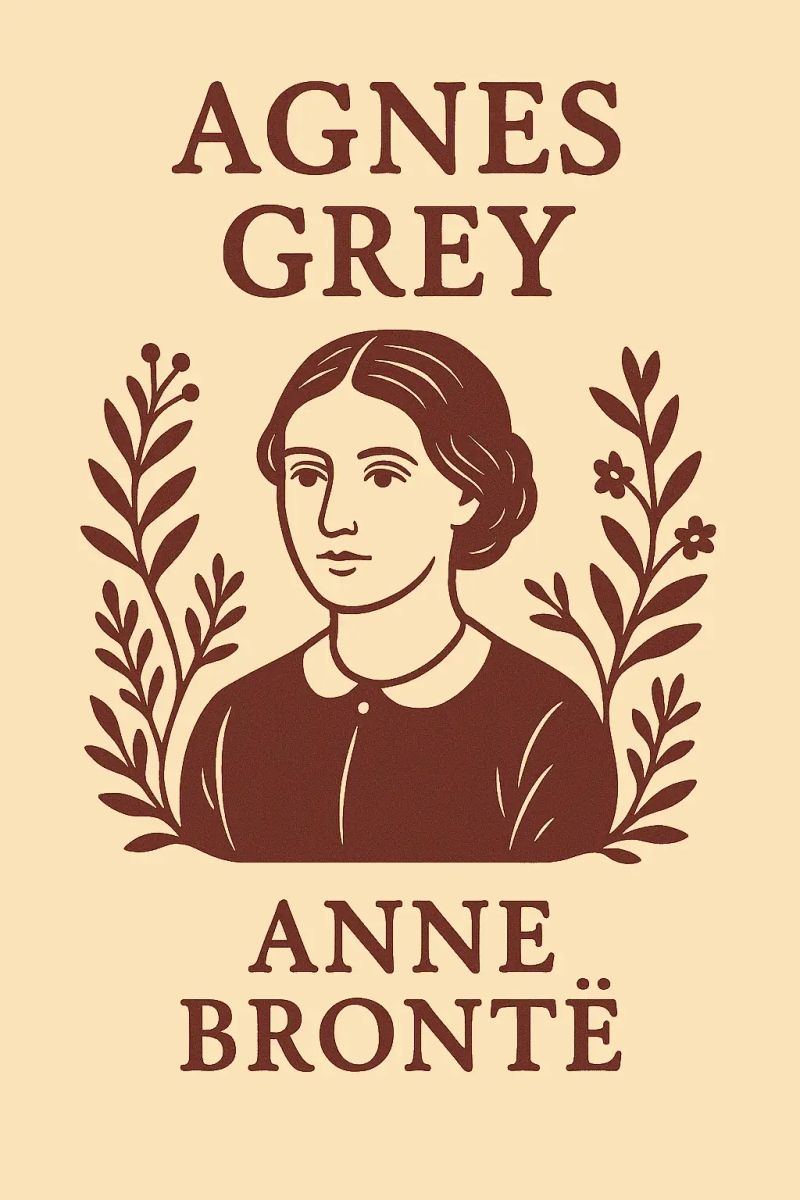
Anne Brontë’s Agnes Grey (1847) emerged from the fraught literary milieu of early Victorian Britain, when women writers often adopted masculine pseudonyms to secure publication and critical seriousness. Issued by Thomas Cautley Newby in London in a three-volume format and first presented under the name “Acton Bell,” the novel appeared in the same year as her sisters’ major works, participating in the Brontës’ collective intervention into contemporary fiction while retaining a distinct authorial purpose. Brontë drew heavily on her own experience as a governess in Yorkshire households, transforming the realities of precarious middle-class employment, clerical family economies, and the limited prospects available to educated women into a narrative shaped by the period’s moral and social preoccupations.
The novel combines the Bildungsroman with a pointed social critique, using Agnes’s first-person retrospect to expose the everyday humiliations of governess life and the structural power imbalance between employers, children, and hired female labor. Its restrained style and insistence on “truth” function as both an ethical stance and an aesthetic choice, emphasizing the incremental pressures of class, gender, and domestic ideology rather than melodramatic plotting. Agnes Grey interrogates the sentimental idealization of childhood and the myth of the benevolent household, presenting moral formation as a contested process shaped by environment and authority. Though historically overshadowed by the more sensational reputations of Wuthering Heights and Jane Eyre, it has proved influential in later accounts of women’s work and realism, and is now valued for its lucid portrayal of the governess as a liminal figure and for its early feminist attention to economic dependence and dignity.