About this audiobook
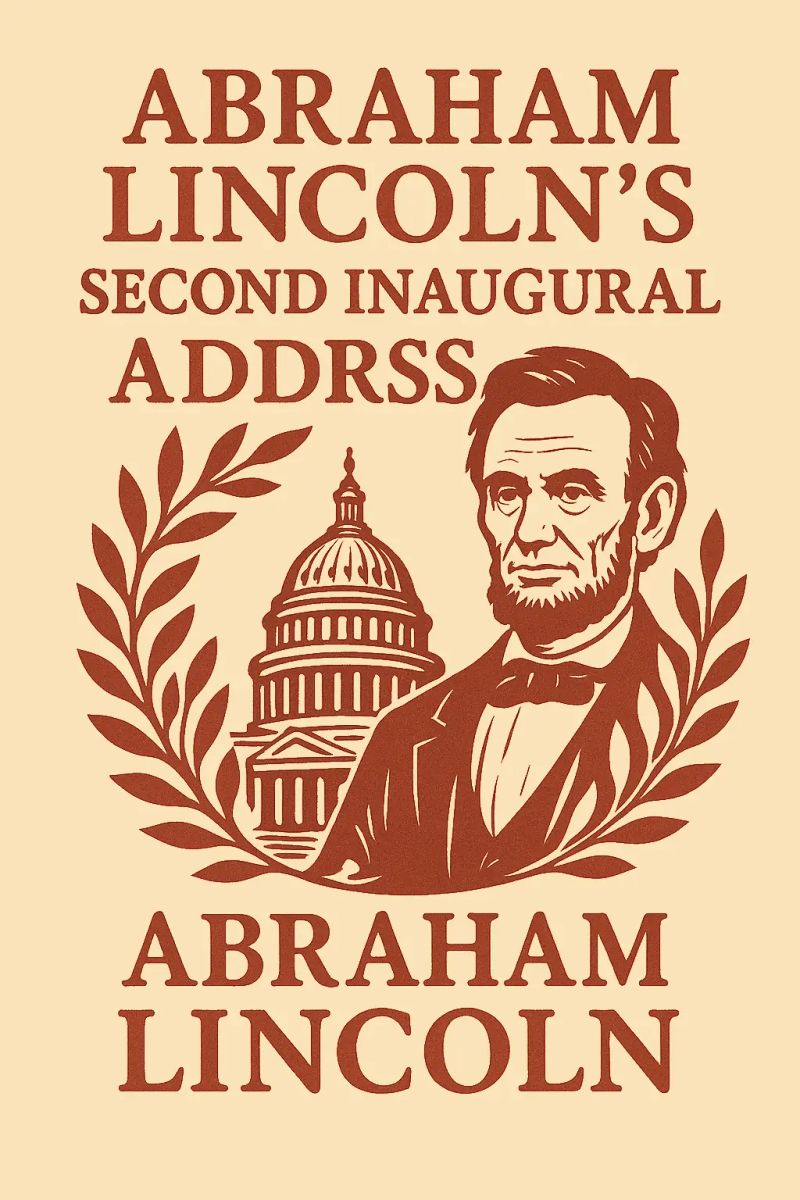
Abraham Lincoln’s Second Inaugural Address, delivered on March 4, 1865, stands at the confluence of a nation exhausted by civil war and a president whose tenure was defined by emancipation and constitutional crisis. Lincoln, the sixteenth president, presided over a republic torn by sectional conflict since 1861; his language—clear, measured, and imbued with biblical cadence—reflects the era’s public rhetoric and the democratizing reach of print culture in English. Commissioned for a solemn oath-renewal in the Capitol, the speech was delivered as the war’s final campaigns were shaping the political landscape toward reconciliation and reconstruction. The opening and closing frames—of duty, providence, and national healing—situate the address within a tradition of American political oratory that blends civic exhortation with moral argument. The historical context—slavery as a central, volatile issue; emancipation policies under discussion by policymakers; and the war’s immense human and material toll—inflect Lincoln’s assessment that the conflict arose in part from slavery and that its end should be marked by justice and mercy rather than vengeance.