About this audiobook
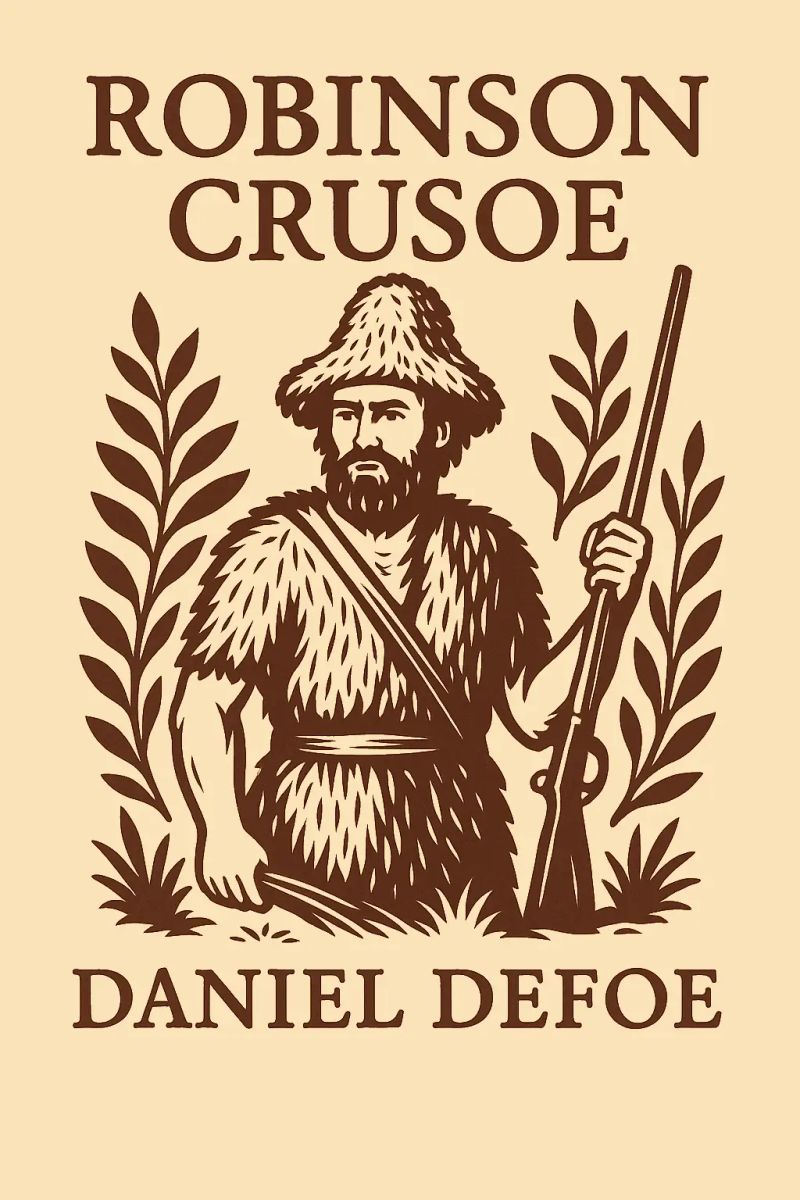
Daniel Defoe’s Robinson Crusoe was first published in London in 1719, at a moment when Britain’s commercial expansion, maritime warfare, and colonial ventures were reshaping public life and print culture. Defoe (c. 1660–1731), a prolific journalist, pamphleteer, and sometime government agent, drew on the period’s fascination with travel narratives, spiritual autobiography, and reports of shipwreck and captivity. Written in English and presented with the air of a factual memoir, the novel exploits the era’s porous boundary between news, biography, and fiction; its opening, with its precise dates, family genealogy, and moralized recollection of youthful disobedience, signals Defoe’s characteristic blend of documentary realism and providential interpretation.
The work’s enduring power lies in its sustained exploration of individual agency under extreme deprivation, coupling practical ingenuity with a rigorous moral and theological accounting of experience. Crusoe’s isolation becomes a laboratory for examining labor, property, and selfhood: he remakes the material world through disciplined work while narrating his inner life in a language shaped by repentance, gratitude, and the search for meaning in contingency. At the same time, the novel has been central to debates about colonial ideology and racial hierarchy, especially in its depiction of mastery, naming, and cultural encounter. Often treated as a foundational text in the development of the English novel, Robinson Crusoe influenced later adventure fiction, castaway narratives, economic and philosophical thought about the modern individual, and techniques of narrative realism that emphasize everyday detail as a vehicle for psychological and moral depth.