


Length2h 4m
About this audiobook
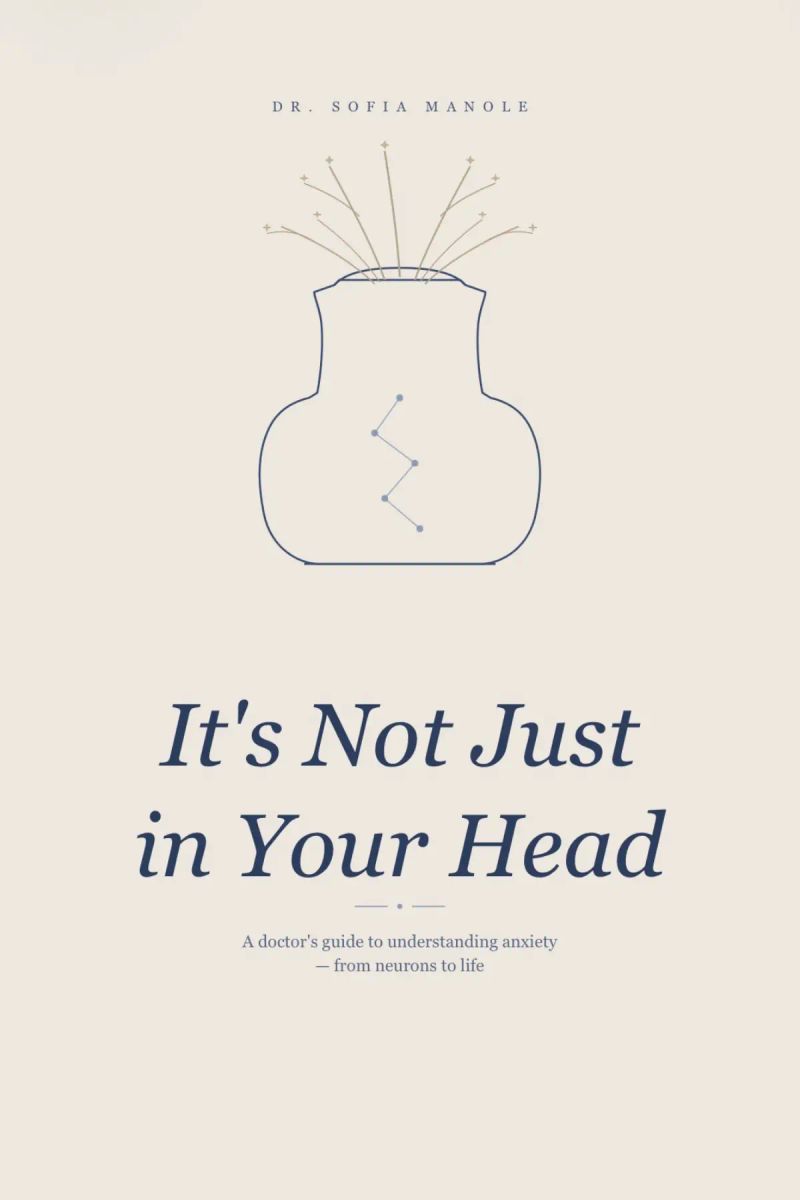
There’s a reason you can’t simply think your way out of anxiety. It’s not a matter of willpower, weakness, or imagination. It is biology.
It’s Not Just in Your Head is a guide to understanding anxiety from the inside out — written by a doctor who has lived it, studied it, and watched it quietly destroy the lives of people sitting across from her desk.
Across fifteen chapters, you will travel through the neuroscience of fear, the hidden cost of chronic stress on your body, the vicious cycles that keep anxiety alive, and the relationships that feed it or heal it. You will recognise anxiety in places you never expected to find it — in perfectionism, in workaholism, in the person who always seems to have everything under control.
This book will not tell you to breathe deeply and think positive. It will tell you the truth — about your amygdala, your cortisol, your attachment patterns, your hormones, and your brain’s extraordinary capacity to change.
Audiobook details
GenreHealth and Wellness
Length2 hrs 4 mins
Narrated byListen with 1,000+ voices
FormateBook with Audio
Publish dateNov 3, 2022
LanguageEnglish
Table of contents
1It's Not Just in Your Head
2© 2025 Dr. Sofia Manole
3To my father —
4Preface
5urgency.
Show all chaptersShow less
6Foreword
7them.
8seriously.
9Chapter 1
10The Neuroscience of Anxiety
11little too well.
12amygdala at work. Impressive, right?
13Types of Anxiety — When It Becomes a Disorder
14chronically about almost everything — health, money, relationships, the future — and
15Chapter 2
16signal: not now, not under these conditions.
17before stressful situations. Frequent colds. Irregular cycle. Neck pain. Poor sleep. How
18Chapter 3
19The Vicious Cycle
20construct scenarios without any supervision.
21satisfaction: avoidance works.
22Chapter 4
23Risk Factors
24Chapter 5
25Exposure to Anxiety — Trauma and PTSD
26something else.
27danger.
28Chapter 6
29The Toxic Environment
30of alert.
31Chapter 7
32Masked Anxiety
33Chapter 8
34Digital Anxiety
35And again. And again.
36the compulsive consumption of negative news and
37Chapter 9
38Anxiety and Sleep
39sleep.
40Chapter 10
41Health Anxiety
42concludes: danger.
43medical services than the population average.
44Chapter 11
45Anxiety and Relationships
46abandonment. Anxiety increases. The cycle repeats.
47others.
48Chapter 12
49Personality Disorders
50interesting.
Eat It!Jordan Syatt, Michael Vacanti4h 40m4.6 (1.5K)$20 · $0.00

Consent Laid BareChanel Contos7h 11m4.5 (1.7K)$24 · $0.00
How to Make Disease DisappearRangan Chatterjee5h 26m4.5 (3.5K)$24 · $0.00

The Complete Herbal (Annotated)Nicholas Culpeper29h 8m4.5 (1.4K)$2 · $0.00

A Plague Upon Our HouseScott W. Atlas MD10h 37m4.5 (3.4K)$20 · $0.00
The Cancer CodeDr. Jason Fung10h 48m4.5 (5.3K)$29 · $0.00
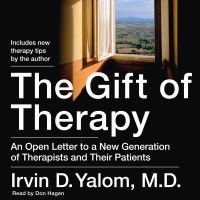
The Gift of TherapyIrvin Yalom7h 39m4.5 (38.8K)$26 · $0.00

EarlySarah DiGregorio9h 47m4.5 (1.3K)$29 · $0.00

Bottle of LiesKatherine Eban14h 25m4.4 (12K)$33 · $0.00
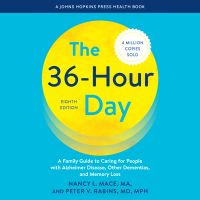
The 36-Hour DayNancy L. Mace, Peter V. Rabins17h 13m4.4 (9.2K)$28 · $0.00
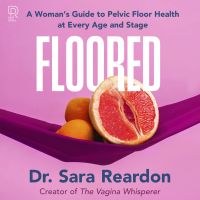
FlooredSara Reardon10h 36m4.5 (1K)$29 · $0.00
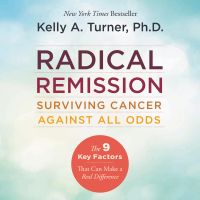
Radical RemissionKelly A. Turner9h 26m4.4 (8.1K)$29 · $0.00
The Sinatra SolutionStephen T. Sinatra MD9h4.5 (899)$20 · $0.00

The Songaminute ManSimon McDermott6h 12m4.5 (280)$24 · $0.00
Sometimes BrilliantLarry Brilliant12h 27m4.5 (954)$29 · $0.00

Live Your LifeAmanda Kloots, Anna Kloots10h 54m4.4 (13.7K)$29 · $0.00

All in Her HeadElizabeth Comen13h 25m4.4 (18.2K)$33 · $0.00
The Wisdom of Your BodyHillary McBride9h 14m4.4 (6.7K)$29 · $0.00
The Alzheimer's SolutionDean Sherzai, Ayesha Sherzai9h 47m4.4 (1.9K)$29 · $0.00
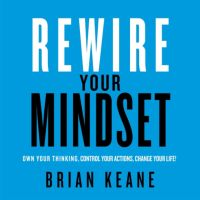
Rewire Your MindsetBrian Keane6h 49m4.5 (896)$23 · $0.00
You may also like
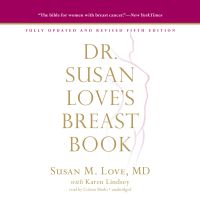
Dr. Susan Love’s Breast Book, 5th EditionSusan M. Love MD19h 37m4.6 (981)$32
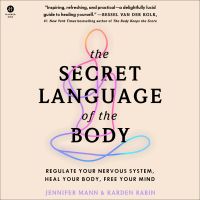
The Secret Language of the BodyJennifer Mann, Karden Rabin8h 39m4.3 (1K)$26 · $0.00
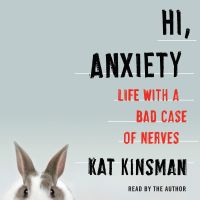
Hi, AnxietyKat Kinsman6h 51m3.8 (1.6K)$24 · $0.00

Rich Enough?: A Laid-back Guide for Every Kiwi, Revised and UpdatedMary Holm8h 22m4.0 (544)$26 · $0.00
Extreme ProductivityRobert C. Pozen7h 39m3.7 (1.9K)$26 · $0.00

Fast Food GenocideJoel Fuhrman, Robert Phillips8h 8m4.1 (2.1K)$26 · $0.00
Unf*ck Your AngerFaith G. Harper PhD2h 15m3.9 (2.4K)$15
GutGiulia Enders8h 48m4.2 (70.9K)$29 · $0.00
Breaking the Age CodeBecca Levy7h 36m4.1 (2.1K)$26 · $0.00
The Mystery of SleepScientific American1h 9m$15
Stressed OutScientific American5h 40m3.8 (25)$17
Three Ways to LoveGregory Bicaj6h 38m$15 · $0.00
Hypochondria - Fear of disease: How to finally understand the fear of illness and get rid of it step by stepMaike Ahlers1h 6m$11 · $0.00

Adenoids and Diseased Tonsils: Their Effect on General IntelligenceMargaret Cobb Rogers1h 29m$2 · $0.00
The Anti-Aging ZoneBarry Sears3h 7m3.9 (57)$18 · $0.00
The Gut-Brain ParadoxSteven R. Gundry, MD6h 40m3.3 (573)$24 · $0.00
SharkproofHarvey Mackay1h 35m4.0 (134)$16 · $0.00
The Neuroscience of Excellent SleepStan Rodski5h 29m3.1 (163)$25 · $0.00
The Omega Rx ZoneBarry Sears2h 30m3.9 (261)$18 · $0.00
PsychotherapyHugo Münsterberg8h 29m3.6 (97)$2 · $0.00