
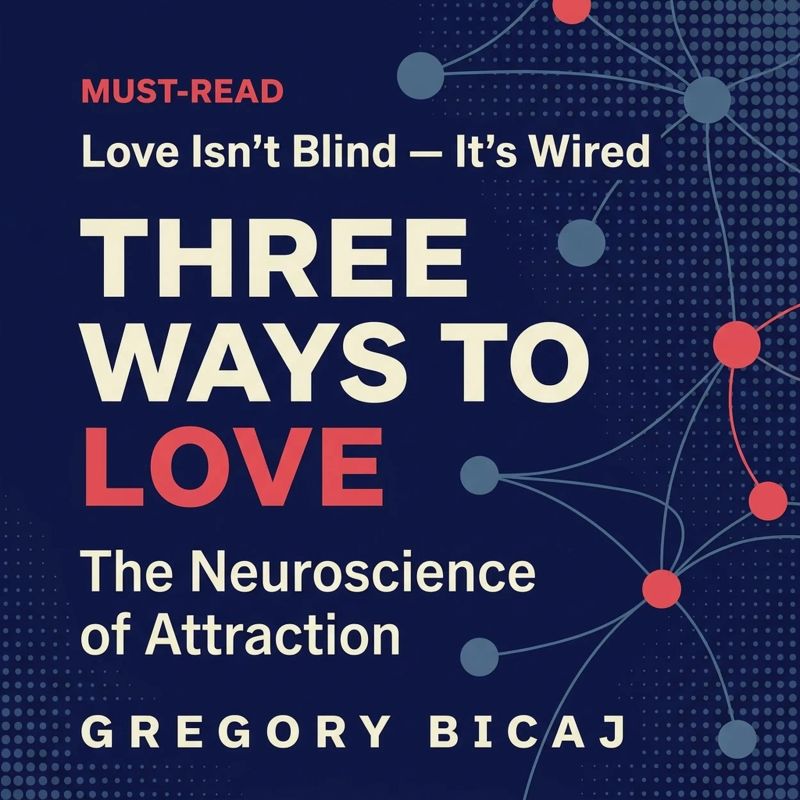
Audio only
Length6h 38m
About this audiobook
What if the chaos in your relationships is not a personal failing, but a pattern wired into you long before you could name it? In Three Ways to Love: The Neuroscience of Attraction, neuroscientist and clinical psychologist Gregory Bicaj draws on twenty years of laboratory research and clinical practice to reveal the hidden architecture beneath every relationship you have ever had — the invisible blueprint formed in early childhood that quietly shapes who you are drawn to, how you fight, how close you let someone get, and how quickly you pull away. Grounded in the latest findings from attachment science, predictive coding, neuroplasticity, and social neuroscience, this book offers an entirely new way of understanding love — not as mystery, fate, or weakness, but as a deeply biological, learnable, and changeable system. Bicaj introduces readers to the three dominant attachment styles — anxious, avoidant, and disorganized — along with the secure foundation that each can grow toward. He explains why the most electrifying chemistry sometimes signals danger rather than compatibility, how the anxious-avoidant loop keeps millions of people locked in cycles of craving and withdrawal, and why genuine love often feels less exciting than destructive love — at first. But this is not a book about being trapped by your past. It is a book about the neuroscience of change. Across sixteen chapters, Bicaj translates complex research into vivid, practical insight: how to read attachment signals in a first conversation or a dating profile, how to tell the difference between growth pain and repetitive pain, how to fight in ways that heal instead of erode, and how to build the kind of relationship that functions as both safe haven and secure base — a place that genuinely feels like home. Six detailed case studies bring the science to life, showing real turning points in real couples — the moment an avoidant partner admits panic instead of fleeing, the moment an anxious partner realizes distance is not abandonment, the moment a disorganized person first separates past terror from present safety. The central claim of the book is both scientifically rigorous and quietly radical: your attachment blueprint was written in pencil, not ink. The patterns that have governed your love life were learned through experience, and they can be revised through new experience. Earned security — the capacity for stable, warm, and honest connection — is not reserved for people who had perfect childhoods. It is available to anyone willing to understand what they are actually carrying into love, and to do something about it. For readers of Jonathan Haidt and Gabor Maté, Three Ways to Love is the book that finally explains not just how love works in the brain, but how to make it work better in your life.
Audiobook details
GenrePsychology
Length6 hrs 38 mins
Narrated byEllis Marwood
FormatAudiobook
Publish dateAug 21, 2026
LanguageEnglish
What to Make of a LifeJim Collins13h 31m4.4 (794)$33 · $0.00

Invisible StormJason Kander6h 48m4.7 (3.2K)$24 · $0.00

I Am The StormJanice Dean9h4.6 (1.5K)$8 · $0.00

On Democracies and Death CultsDouglas Murray10h 38m4.6 (6.5K)$29 · $0.00

TerraformPropaganda5h 39m4.7 (594)$24 · $0.00

Southern Horrors: Lynch Law in All Its Phases (Annotated)Ida B. Wells-Barnett2h 44m4.6 (1.3K)$2 · $0.00
Hour of the HeartIrvin D. Yalom, Benjamin Yalom8h 19m4.6 (2.3K)$26 · $0.00
Braving the TruthRachel Held Evans11h 31m4.7 (359)$29 · $0.00
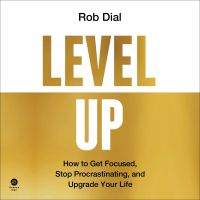
Level UpRob Dial7h 42m4.6 (3.3K)$26 · $0.00

As a JewSarah Hurwitz8h 36m4.6 (1.2K)$26 · $0.00

Saint Joan (Annotated)George Bernard Shaw6h 20m4.6 (1.2K)$1.20 · $0.00
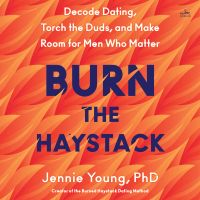
Burn the HaystackJennie Young, PhD9h 30m4.6 (543)$29 · $0.00

Woman and the New Race (Annotated)Margaret Sanger6h 30m4.6 (1K)$0.99 · $0.00
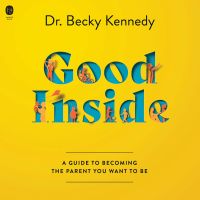
Good InsideBecky Kennedy9h 55m4.5 (59.3K)$29 · $0.00
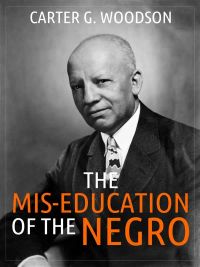
The Mis-Education of the NegroCarter Godwin Woodson5h 4m4.5 (29.4K)$1.20 · $0.00

Du Bois: EssaysW.E.B. Du Bois6h 22m4.6 (1.5K)$1 · $0.00

The North American Indian (Illustrated Edition)Edward S. Curtis, Frederick Webb Hodge5h 59m4.6 (1.4K)$2 · $0.00

Valley of the BirdtailAndrew Stobo Sniderman, Douglas Sanderson10h 1m4.6 (2.4K)$29 · $0.00

Lies My Therapist Told MeGreg E. Gifford9h 3m4.6 (503)$29 · $0.00
Disturbed in Their NestsAlephonsion Deng, Judy A. Bernstein11h 22m4.6 (595)$23 · $0.00
You may also like
The Secret Language of the BodyJennifer Mann, Karden Rabin8h 39m4.3 (1K)$26 · $0.00
Breaking the Age CodeBecca Levy7h 36m4.1 (2.1K)$26 · $0.00

MadnessMarya Hornbacher9h 43m4.1 (17.9K)$29 · $0.00
Hi, AnxietyKat Kinsman6h 51m3.8 (1.6K)$24 · $0.00
It Takes What It TakesTrevor Moawad, Andy Staples5h 25m4.2 (5.7K)$24 · $0.00

Gerontological Nursing Exam Study GuideMarie Peterson10h 48m$13

I'm 40 and One Sentence from My Parent Still Turns Me Back Into a Teenager - How to Recognize Old Family Roles, Respond Like an Adult, and Stop Reliving Sunday Dinner Until WednesdayMax Paradox4h 30m$7.70 · $0.00

Meet Your Hormones!Jasmin Sarif1h 38m$6.80 · $0.00

The Emotional Intelligence of LoveSara Melo2h 49m$1.80 · $0.00

Raising an Organized ChildDamon Korb6h 51m4.0 (440)$17 · $0.00
People You Can't EscapeDiletta Armstrong3h 10m$5.70 · $0.00

Stressed OutScientific American5h 40m3.8 (25)$17

Manhood Perfectly RestoredCiviale Remedial Agency3h 18m$2 · $0.00
The code of the rich mindMARK FISHER2h 34m$4.60 · $0.00

Gaslighting: Recover From Toxic Relationships and Break Free and Recognize ManipulativeJeffry Calderon3h 22m$4.10 · $0.00
Understanding and Healing the Inner Child: How to recognize unresolved conflicts within yourself, get in touch with your inner child, strengthen and heal it to finally blossom in full vitalityJulia Wiederspohn1h 1m$11 · $0.00
The Language of RelationshipsDanniel Silva2h 41m$6.40 · $0.00

Postpartum Care: Proven Strategies to Combat Anxiety and Depression (Build Caregiving Confidence & Nurture Connections That Empower Your Motherhood Journey)Marcus g, Leland Harris1h 18m$5.20 · $0.00
The Courage to DisappointTarun Mankar2h 52m4.5 (21)Free

Twisted TeethWillow R.2h 21m$6.40 · $0.00