
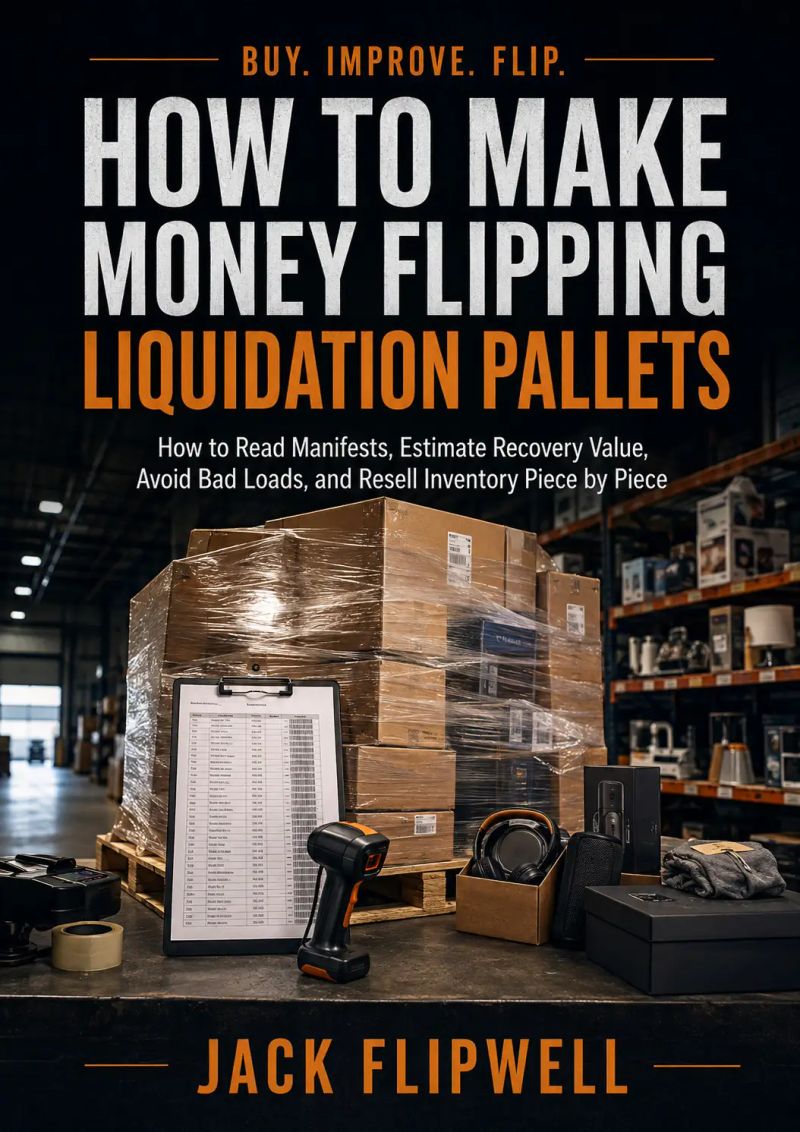
How to Make Money Flipping Liquidation Pallets - How to Read Manifests, Estimate Recovery Value, Avoid Bad Loads, and Resell Inventory Piece by Piece
By JACK FLIPWELL


Length8h 35m
About this audiobook
Liquidation pallets can look like ready-made profit. A manifest may show dozens of products and an impressive retail total while the auction price sits far below the original store value. The real problem begins after delivery, when part of the inventory turns out to be damaged, incomplete, untested, difficult to sell, or far more labor-intensive than the original spreadsheet suggested.
How to Make Money Flipping Liquidation Pallets is a practical guide to building a resale business around customer returns without relying on luck, mystery-box excitement, or unrealistic retail-value calculations.
JACK FLIPWELL shows how to separate retail value from market value and recovery value, how to identify the products that actually drive the economics of a pallet, and how to calculate a disciplined maximum bid before an auction begins. Instead of buying based on a simple percentage of retail, you will learn how to build base, optimistic, and stress scenarios and test whether a load still makes sense when several high-value products fail.
The book walks through the complete operating process. You will learn how to evaluate liquidation suppliers, understand grading systems, read manifests, identify value concentration, prepare a receiving area, audit incoming inventory, assign internal product IDs, and run triage.
You will also learn how to test products within safe competence boundaries, clean and prepare returns properly, evaluate missing accessories, decide whether repair is economically justified, and determine when an item should instead be sold damaged, used for parts, or removed from normal resale.
A major part of the book focuses on piece-by-piece resale. You will learn how to price individual units using current market data, choose the correct sales channel, create honest photographs and descriptions, define target, fast-sale, and floor prices, package products correctly, manage shipping costs, and handle customer returns without losing track of the true pallet result.
Separate chapters cover inventory aging, dead stock, cash flow, break-even, ROI, result per hour, predicted versus actual recovery, and supplier-level performance. The goal is to stop judging the business by warehouse volume or gross sales and start measuring how quickly capital is recovered, how accurately loads are valued, and how much profit remains after real costs.
The book also shows how to build your own database of suppliers, categories, and SKUs so that every purchase becomes better informed than the one before it. You will learn when specialization improves your edge, when to pause buying, how to control backlog, and how to scale through better throughput instead of simply buying more pallets.
Safety, compliance, and responsible resale are also built into the model. The book covers issues such as account locks, previous-user data, batteries, counterfeit risk, product recalls, professional repair boundaries, marketplace restrictions, and changing legal or tax obligations. It does not encourage hiding defects or performing unsafe repairs. The business model is based on better information, better operations, transparent listings, and controlled risk.
This is a book for readers who want to approach liquidation pallets as a business rather than a lottery.
If you want to learn how to:
• read liquidation manifests,
• estimate recovery value,
• identify bad loads,
• set a MAX BID,
• process customer returns,
• resell inventory piece by piece,
• control cash flow,
• measure the true result of each pallet,
this guide takes you through the full cycle from auction analysis to final closeout.
BUY. IMPROVE. FLIP.
Find the Deal. Add the Value. Keep the Margin.
A practical guide to making money with liquidation pallets and customer returns. Learn how to read manifests, estimate real recovery value, set a maximum purchase price, avoid bad loads, test and prepare products, sell inventory piece by piece, manage aging stock, control cash flow, and measure the true result of every pallet.
A pallet with $20,000 in stated retail value is not automatically a deal.
The real question is:
How much can you actually recover?
In How to Make Money Flipping Liquidation Pallets, JACK FLIPWELL shows how to analyze manifests, verify secondary-market prices, estimate recovery value, and calculate a maximum bid before you enter the auction.
You will learn how to:
• spot red flags,
• evaluate condition and completeness,
• receive and sort pallet inventory,
• test products safely,
• create honest listings,
• choose the right sales channel,
• control returns, aging, and dead stock,
• measure the true result of every load,
• scale without destroying liquidity.
This publication was prepared with the assistance of tools that support the creative process, including artificial intelligence-based solutions. The final concept, structure, and editing belong to the author.
Audiobook details
GenreBusiness and Economics
Length8 hrs 35 mins
Narrated byListen with 1,000+ voices
FormateBook with Audio
Publish dateSep 29, 2026
LanguageEnglish
Table of contents
1INTRO
2Chapter 1 - Pallet Economics - Where the Margin Really Comes From
3Chapter 2 - Where to Source Liquidation Pallets and How to Evaluate the Supplier
4Chapter 3 - How to Read a Manifest and Find the Numbers That Actually Matter
5Chapter 4 - How to Estimate Recovery Value and Set a Maximum Purchase Price
Show all chaptersShow less
6Chapter 5 - How to Spot Bad Loads and Red Flags Before You Buy
7Chapter 6 - Condition Grades, Completeness, and the Real Quality of Customer Returns
8Chapter 7 - How to Bid, Negotiate, and Buy Pallets Without Overpaying
9Chapter 8 - Receiving the Pallet, Auditing the Manifest, and Running Triage
10Chapter 9 - Testing, Cleaning, and Safely Preparing Products for Resale
11Chapter 10 - How to Price Individual Items and Choose the Right Sales Channel
12Chapter 11 - Photos, Descriptions, and Listings That Sell Returns Without Hiding Defects
13Chapter 12 - Packaging, Shipping, Returns, and Protecting Margin After the Sale
14Chapter 13 - Inventory Management, Aging, and Recovering Cash From Slow-Moving Products
15Chapter 14 - How to Calculate the True Pallet Result and Build a Database That Improves Future Purchases
16Chapter 15 - Cash Flow, Purchase Pace, and Scaling Without Losing Liquidity
17Chapter 16 - Specialization, Category Selection, and Building Your Own Market Edge
18Chapter 17 - Law, Product Safety, Taxes, and the Boundaries of Responsible Resale
19Chapter 18 - The Reseller Operating System - SOPs, Automation, Team Structure, and Quality Control
20Chapter 19 - How to Build a Complete Pallet Buying Model From Manifest to Maximum Bid
21Chapter 20 - From Your First Pallet to a Repeatable Business - The Complete Action Plan

How to Make Money Flipping Sneakers - A Guide to Sourcing, Authentication, Pricing, and Profitable ResellingJACK FLIPWELL4h 29m$7.70 · $0.00
How to Make Money Reselling Clothes - How to Source, Photograph, Price, and Sell Secondhand Fashion OnlineJACK FLIPWELL5h 4m$7.70 · $0.00

How to Make Money Flipping Houses - How to Find Undervalued Properties, Control Renovation Costs, and Sell at the Right PriceJACK FLIPWELL4h 31m$7.70 · $0.00

Jak zarabiać na samochodach używanych - Jak znajdować okazje, szacować koszty i bezpiecznie sprzedawać auta z zyskiemJACK FLIPWELL4h 45m$7.80 · $0.00

Jak zarabiać na odsprzedaży iPhone’ów - Jak kupować poniżej ceny rynkowej, wykrywać wady i sprzedawać z zyskiemJACK FLIPWELL5h 30m$7.70 · $0.00

Jak zarabiać na flipach mieszkaniowych - Jak znajdować niedoszacowane nieruchomości, kontrolować koszty remontu i sprzedawać we właściwej cenieJACK FLIPWELL4h 54m$7.70 · $0.00

Jak zarabiać na używanej elektronice - Jak kupować, testować, wyceniać i sprzedawać smartfony, laptopy, tablety oraz konsoleJACK FLIPWELL5h4.7 (12)$7.70 · $0.00
How to Make Money Flipping Furniture - Turn Cheap and Forgotten Pieces into Products Buyers WantJACK FLIPWELL4h 26m$7.70 · $0.00
How to Make Money Flipping Almost Anything - A Complete System for Finding Deals, Calculating Margins, and Building Repeatable IncomeJACK FLIPWELL5h 57m$7.70 · $0.00

Jak zarabiać na odsprzedaży sneakersów - Przewodnik po wyszukiwaniu okazji, sprawdzaniu autentyczności i dochodowej sprzedażyJACK FLIPWELL4h 32m$7.70 · $0.00

How to Make Money Flipping Used Electronics - How to Buy, Test, Price, and Resell Phones, Laptops, Tablets, and Game ConsolesJACK FLIPWELL4h 22m$7.70 · $0.00

Jak zarabiać na odsprzedaży niemal wszystkiego - Kompletny system wyszukiwania okazji, obliczania marży i budowania powtarzalnego dochoduJACK FLIPWELL5h 29m$7.70 · $0.00

Jak zarabiać na odnawianiu i sprzedaży mebli - Jak zamieniać tanie i zapomniane przedmioty w produkty, które ludzie chcą kupowaćJACK FLIPWELL4h 49m$7.70 · $0.00

How to Make Money Flipping Watches - How to Spot Valuable Models, Avoid Fakes, and Resell with ConfidenceJACK FLIPWELL5h 45m$7.80 · $0.00
How to Make Money Flipping Used Cars - A Beginner's Guide to Finding Deals, Estimating Costs, and Selling Safely for ProfitJACK FLIPWELL4h 24m$7.80 · $0.00

Jak zarabiać na ubraniach z drugiej ręki - Jak wyszukiwać, fotografować, wyceniać i sprzedawać używaną modę w internecieJACK FLIPWELL4h 49m$7.70 · $0.00
How to Make Money Flipping Collectibles - How to Find Undervalued Toys, Sets, Cards, and Limited-Edition ItemsJACK FLIPWELL6h 30m$7.80 · $0.00

Jak zarabiać na przedmiotach kolekcjonerskich - Jak znajdować niedoszacowane zabawki, zestawy, karty i limitowane przedmiotyJACK FLIPWELL5h 5m$7.80 · $0.00

Jak zarabiać na kupowaniu i sprzedaży zegarków - Jak rozpoznawać wartościowe modele, unikać podróbek i sprzedawać z odpowiednią marżąJACK FLIPWELL4h 56m$7.80 · $0.00
How to Make Money Flipping iPhones - A Practical Guide to Buying Below Market Value, Spotting Defects, and Reselling for ProfitJACK FLIPWELL5h 17m$7.70 · $0.00
Never Split the DifferenceChris Voss, Tahl Raz8h 7m4.4 (277.7K)$26 · $0.00
The Intelligent Investor Rev Ed.Benjamin Graham17h 48m4.3 (191.5K)$40 · $0.00
The Hard Thing About Hard ThingsBen Horowitz7h 57m4.2 (134.3K)$26 · $0.00
Boundaries for LeadersHenry Cloud7h 36m4.3 (3.6K)$26 · $0.00
BuildTony Fadell11h 5m4.5 (14.3K)$8 · $0.00

The Joys Of CompoundingGautam Baid17h 34m4.5 (2.5K)$18 · $0.00
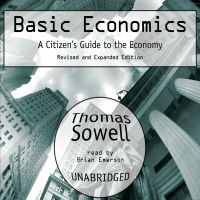
Basic EconomicsThomas Sowell18h 32m4.5 (29.3K)$28 · $0.00

Poor Charlie’s AlmanackGrover Gardener, Charles T. Munger13h 9m4.5 (24.7K)$18 · $0.00

The Ambuja StoryNarotam Sekhsaria13h 59m4.5 (830)$33 · $0.00

The Secret Door to SuccessFlorence Scovel Shinn2h 25m4.5 (2.1K)$1.20 · $0.00

This Is Going to HurtAdam Kay5h 47m4.4 (444.7K)$24 · $0.00

Big TrustShadé Zahrai, Fayçal Sekkouah8h 36m4.6 (406)$26 · $0.00
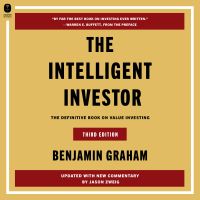
The Intelligent Investor Third EditionBenjamin Graham, Jason Zweig20h4.4 (156.6K)$46 · $0.00

Bottle of LiesKatherine Eban14h 25m4.4 (12K)$33 · $0.00

The Antiracist Business BookTrudi Lebrón6h 10m4.6 (275)$17 · $0.00

The FormulaJoshua Robinson, Jonathan Clegg10h 41m4.4 (6.9K)$29 · $0.00

Let Them LeadJohn U. Bacon7h 10m4.5 (1.4K)$24 · $0.00

Secrets of the Millionaire MindT. Harv Eker5h 11m4.4 (301.4K)$24 · $0.00

The Person You Mean to BeDolly Chugh9h 6m4.4 (7.2K)$29 · $0.00

BoundlessNick Kostov, Sean McLain9h 17m4.5 (1.1K)$29 · $0.00
You may also like
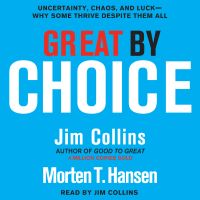
Great by ChoiceJim Collins, Morten T. Hansen8h 45m4.2 (26.1K)$26 · $0.00

The Island of Doctor Moreau (Science Fiction Classic)H. G. Wells4h 49m3.9 (165.1K)$2 · $0.00

The Island of Doctor Moreau (Science Fiction Classic)H. G. Wells4h 48m3.9 (297.9K)$2 · $0.00

The Island of Dr. MoreauH. G. Wells4h 43m3.9 (165.5K)$1.20 · $0.00

The Island of Doctor MoreauH. G.4h 43m3.9 (169.1K)$3.50 · $0.00

An Enquiry Concerning Human UnderstandingDavid Hume5h 22m4.1 (18.7K)$1 · $0.00

The Pit and the PendulumEdgar Allan Poe40m4.3 (87.3K)$2.30 · $0.00

THE CRITIQUE OF PURE REASONImmanuel Kant25h 39m4.1 (51.3K)$1.99 · $0.00

The Island of Doctor MoreauH.G. Wells5h 19m3.9 (166.1K)$16 · $0.00

Radical RemissionKelly A. Turner9h 26m4.4 (8.1K)$29 · $0.00

The Island of Doctor MoreauH.G. Wells4h 11m3.9 (163.6K)$2 · $0.00

THE THREE CRITIQUES: The Critique of Pure Reason, The Critique of Practical Reason & The Critique of JudgmentImmanuel Kant46h 8m4.2 (1.6K)$2 · $0.00
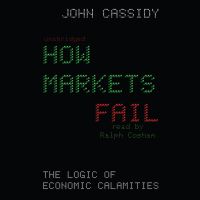
How Markets FailJohn Cassidy13h 16m4.1 (3.9K)$23 · $0.00
Tractatus Logico-PhilosophicusLudwig Wittgenstein4h 57m4.2 (31.9K)$1.99 · $0.00
Vibe TradingIsla L. Gallagher2h 49m$4.10 · $0.00

Behind the FootlightsMrs. Alec-Tweedie10h 9m$2 · $0.00

Fasting Girls: Their Physiology and PathologyWilliam A. Hammond3h 11m3.2 (59)$2 · $0.00

Extraordinary Claims Require Extraordinary EvidenceGary E. Schwartz PhD9h 50m$20

EvolutionScientific American7h 23m3.7 (32)$17

ASATT Exam Study GuideMarie Peterson10h 16m$10