

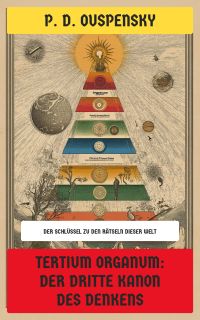
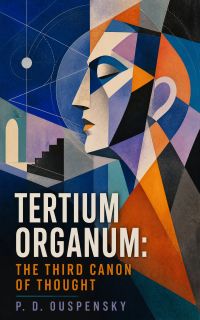
Tertium Organum
The Third Canon of Thought - A Key to the Enigmas of the WorldBy P. D. Ouspensky


Length14h 45m
About this audiobook
In P. D. Ouspensky's 'Tertium Organum,' the reader is taken on a philosophical journey exploring consciousness, reality, and the nature of existence. This metaphysical text presents a new way of understanding the world through the lens of a 'third organ of thought,' which transcends the limitations of traditional logic and reason. Ouspensky's prose is dense yet captivating, drawing inspiration from mysticism, psychology, and Eastern philosophies to challenge conventional modes of perception and understanding. The book offers a unique perspective on the interconnectedness of the universe and the human mind, inviting readers to expand their intellectual horizons and engage with profound questions about the nature of reality and consciousness. P. D. Ouspensky, a Russian philosopher and esoteric thinker, was deeply influenced by the teachings of G. I. Gurdjieff, with whom he studied for a number of years. 'Tertium Organum' reflects Ouspensky's quest for spiritual enlightenment and his attempt to elucidate complex philosophical concepts in a comprehensive and accessible manner. His intellectual curiosity and metaphysical insights are evident throughout the text, making it a thought-provoking and enlightening read for those interested in the intersections of philosophy, psychology, and spirituality. I highly recommend 'Tertium Organum' to readers seeking a profound exploration of consciousness and reality beyond the confines of traditional philosophical discourse. Ouspensky's groundbreaking work challenges readers to reconsider their understanding of the world and offers a fresh perspective on the nature of human experience.
Audiobook details
Rating★★★★ 4.4 (633)
Includes Goodreads, Amazon
GenreSpirituality and Religion
Length14 hrs 45 mins
Narrated byListen with 1,000+ voices
FormateBook with Audio
Publish dateJan 4, 2022
LanguageEnglish
Table of contents
1The Prophet (Musaicum Vintage Classics)
14Chapter XII
2Introduction to the English Translation
15Chapter XIII
3Chapter I
16Chapter XIV
4Chapter II
17Chapter XV
5Chapter III
18Chapter XVI
Show all chaptersShow less
6Chapter IV
19Chapter XVII
7Chapter V
20Chapter XVIII
8Chapter VI
21Chapter XIX
9Chapter VII
22Chapter XX
10Chapter VIII
23Chapter XXI
11Chapter IX
24Chapter XXII
12Chapter X
25Chapter XXIII
13Chapter XI
26Conclusion
More from P. D. Ouspensky


The Chosen Presents: A Blended Harmony of the GospelsSteve Laube, Amanda Jenkins, Dallas Jenkins7h 8m4.9 (823)$10 · $0.00

Prayers from the Throne RoomBrian Simmons8h 55m4.9 (256)$10 · $0.00
31 Decrees of Blessing for Your LifePatricia King2h 38m4.8 (1.4K)$10 · $0.00

Loved BabySarah Philpott4h 51m4.8 (1.4K)$10 · $0.00

The QuranAllah23h 7m4.7 (136.1K)$1 · $0.00

The Secret of the RosaryLouis de Montfort6h 1m4.7 (16K)$2 · $0.00

The Holy Qur-an: Text, Translation and CommentaryAbdullah Yusuf Ali22h 16m4.7 (133K)$1 · $0.00
All of Grace (Annotated)Charles Spurgeon5h 1m4.7 (1.3K)$0.99 · $0.00

Steps to ChristEllen G. White3h 12m4.7 (13.8K)$2 · $0.00
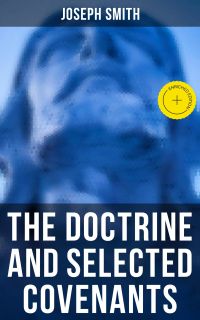
The Doctrine and Selected CovenantsJoseph Smith13h 53m4.7 (10.4K)$1.99 · $0.00
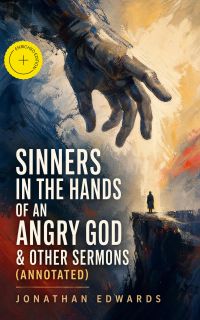
Sinners in the Hands of an Angry God & Other Sermons (Annotated)Jonathan Edwards7h 51m4.7 (1.5K)$2 · $0.00

Swayam Ki AwaazPrem Rawat8h 34m4.7 (1.1K)$26 · $0.00

Behind the BadgeAdam Davis10h 18m4.7 (2.7K)$10 · $0.00
The New Human Revolution, vol. 1Daisaku Ikeda7h 46m4.7 (669)$12 · $0.00

You Are Worth ItKyle Carpenter, Don Yaeger8h 53m4.7 (4.8K)$29 · $0.00
Praying GraceDavid A. Holland3h 2m4.7 (658)$10 · $0.00

Evidence Not SeenDarlene Deibler Rose11h 11m4.6 (11.9K)$29 · $0.00

The Christ KeyChad Bird, Chad Bird7h 33m4.7 (592)$17.40 · $0.00
He and IGabrielle Bossis10h 12m4.7 (554)$17 · $0.00

Your Body Already KnowsNidhi Pandya Bhanshali9h 7m4.7 (360)$16 · $0.00
You may also like
The Intelligent Investor Rev Ed.Benjamin Graham17h 48m4.3 (191.5K)$40 · $0.00
The Critique of Practical ReasonImmanuel Kant6h 30m4.1 (24.6K)$1.20 · $0.00
Nicomachean EthicsAristotle8h 51m4.3 (63.3K)$1.80 · $0.00

Laughter: An Essay on the Meaning of the ComicHenri Bergson4h 12m3.9 (3.1K)Free
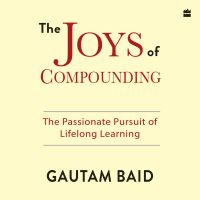
The Joys Of CompoundingGautam Baid17h 34m4.5 (2.5K)$18 · $0.00
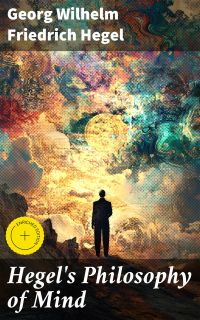
Hegel's Philosophy of MindGeorg Wilhelm Friedrich Hegel14h 28m4.0 (717)$1 · $0.00
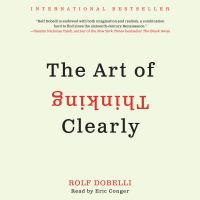
The Art of Thinking ClearlyRolf Dobelli7h 49m3.9 (130K)$5 · $0.00
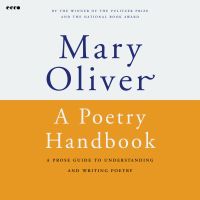
A Poetry HandbookMary Oliver3h 33m4.3 (11.9K)$18 · $0.00
THE THEORY OF THE LEISURE CLASS: An Economic Study of American Institutions and a Social Critique of Conspicuous Consumption (Annotated)Thorstein Veblen12h 58m4.4 (1K)$0.99 · $0.00
Fallen LeavesWill Durant5h 18m4.2 (2K)$17
Introduction to Mathematical PhilosophyBertrand Russell9h4.1 (2.8K)$1 · $0.00
On Sense and ReferenceGottlob Frege2h 14m4.1 (484)$1 · $0.00

How to Sing [Meine Gesangskunst]Lilli Lehmann4h 19m4.1 (351)$2 · $0.00

Why Do Men Fall Asleep After SexMark Leyner, Billy Goldberg6h 32m3.7 (2.2K)$24 · $0.00

The Client Changes Their Mind, but the Deadline Doesn't - How to Manage Scope Changes, Document Agreements, and Renegotiate Deadlines Without Delivering Three Projects for the Price of OneMax Paradox6h 9m$7.70 · $0.00

The Food Label Has More Information Than My Résumé - How to Read Food Labels, Separate What Matters from Marketing Noise, and Shop Normally Without Taking a Biochemistry Exam in the Grocery AisleMax Paradox6h 22m$7.70 · $0.00

I'm Buying a Used Car and Every One Is “Mint” - How to Check Listings, Ask the Right Questions, and Reduce the Risk of Buying Without Earning a Mechanic's Degree Before the Test DriveMax Paradox6h 45m$7.70 · $0.00

I'm Flying Solo and Have No One Else to Blame for the Plan - How to Plan a Solo Trip, Stay Safe, and Have a Great Time Without Waiting for Someone Else to Finally Have the Same Days OffMax Paradox6h 30m$7.70 · $0.00

The First Month at a New Job Is One Long “Where Is That?” - How to Ask Questions, Map People and Processes, and Become Independent Faster Without Pretending You Know Where the Company Keeps Everything from Day OneMax Paradox6h 26m$7.70 · $0.00

I Have a Mentor and No Idea What to Ask - How to Make the Most of Mentoring, Prepare for Meaningful Conversations, and Turn Someone Else's Experience into Your Own Decisions Without Expecting a Ready-Made Career RoadmapMax Paradox6h 15m$7.70 · $0.00