
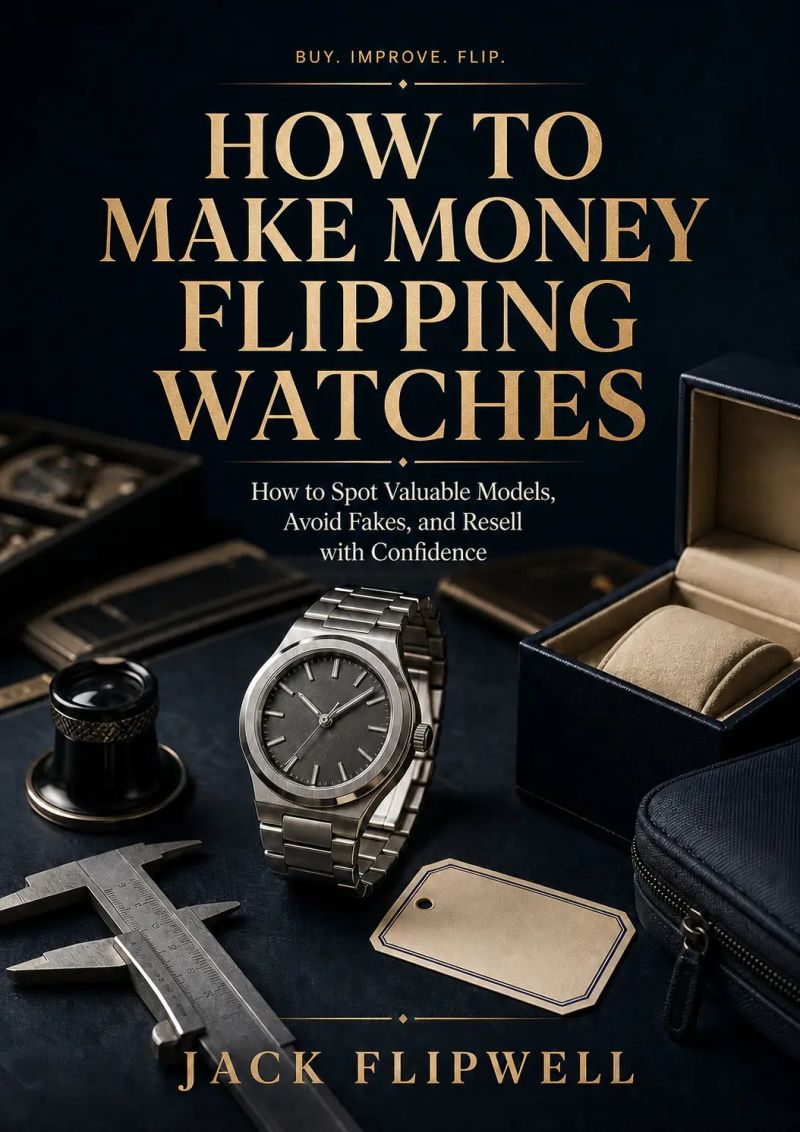
How to Make Money Flipping Watches - How to Spot Valuable Models, Avoid Fakes, and Resell with Confidence
By JACK FLIPWELL


Length5h 45m
About this audiobook
Can you make money flipping used watches?
Yes, but not because every watch can be bought cheaply and listed for more.
The used watch market is full of details that beginners often overlook: references that look almost identical but trade at very different prices, expensive servicing, missing bracelet links, replaced parts, refinished dials, counterfeit paperwork, sophisticated replicas, illiquid models, and asking prices that have little connection to what buyers are actually willing to pay.
How to Make Money Flipping Watches is a practical guide to treating the used watch market like a business rather than a lottery.
JACK FLIPWELL walks through the complete process of finding, evaluating, buying, preparing, pricing, and reselling watches while protecting margin and controlling risk.
You will learn why the brand name is only the beginning and why the exact reference can change a watch's value dramatically. The book shows how to distinguish asking prices from realistic transaction values, compare genuinely comparable examples, calculate quick-sale value, and understand why a highly liquid watch with a moderate margin can sometimes be a better business than a rare piece with a large theoretical profit.
A major part of the book focuses on movements and servicing. You do not need to become a watchmaker, but you do need to understand what poor timekeeping, weak power reserve, chronograph problems, unknown service history, moisture damage, or restricted parts availability can mean financially. One unexpected service bill can consume the entire planned margin. The book shows how to build technical reserves into your purchase calculation and when professional diagnosis is the correct decision.
Authenticity receives detailed treatment as well.
Today's counterfeit market is not limited to crude copies with obvious spelling errors. High-quality replicas can imitate cases, bracelets, paperwork, serial numbers, and even movement architecture. There are also genuine watches with aftermarket parts, factory service components, refinished dials, replacement bezels, or combinations of genuine parts that never belonged together.
You will learn how to think about authentication as a process rather than a trick. The goal is not to pretend that a few online checks make you an expert. The goal is to understand which elements should agree, which inconsistencies matter, and when the cost of being wrong justifies professional authentication or specialist inspection.
The book covers sourcing from private sellers, classified platforms, collector groups, specialist marketplaces, dealers, pawn shops, auctions, consignment, estate sales, and direct relationships. Each source has a different balance of margin and risk. You will learn how to calculate your maximum purchase price before negotiation, so a large discount from the seller's asking price does not fool you into overpaying.
You will also learn how to assess condition properly.
A watch that looks cleaner is not always more valuable. Heavy polishing can permanently alter case geometry. A naturally aged vintage dial may be worth more than a refinished one. A full bracelet can matter more than a shiny replacement strap. The book explains how to assess cases, crystals, dials, hands, bezels, crowns, bracelets, clasps, documentation, service history, and provenance as parts of one complete valuation.
Preparing the watch for resale is another major focus.
What photographs should you take? Which scratches should be shown? How should you describe unknown service history? What do you say if current water resistance has not been tested? How do you photograph papers without exposing personal data? How do you disclose aftermarket parts accurately?
A strong listing does not make a used watch look new. It makes the buyer confident that the watch received will match the watch described.
Artificial intelligence tools were used as part of the drafting, organization, and editorial process for this book. The content is intended as practical educational material and does not replace individualized advice from a competent watchmaker, professional authenticator, appraiser, lawyer, accountant, tax adviser, insurer, customs specialist, or other qualified professional.
Watch prices, marketplace rules, tax laws, consumer regulations, customs requirements, insurance terms, carrier restrictions, authentication procedures, service policies, and manufacturer practices can change over time and may differ by jurisdiction. Readers should verify current information before making financial, legal, tax, technical, shipping, insurance, or authentication decisions involving valuable watches.
Audiobook details
GenreBusiness and Economics
Length5 hrs 45 mins
Narrated byListen with 1,000+ voices
FormateBook with Audio
Publish dateSep 25, 2026
LanguageEnglish
Table of contents
1INTRO
2Chapter 1 - How the Used Watch Market Really Works
3Chapter 2 - Brands, Models, References, and Segments You Need to Understand
4Chapter 3 - Movements, Servicing, and Technical Costs That Can Destroy the Margin
5Chapter 4 - Condition, Completeness, Documentation, and Provenance
Show all chaptersShow less
6Chapter 5 - Where to Buy Watches and How to Tell an Opportunity from a Problem
7Chapter 6 - Authenticity, Counterfeits, Frankenwatches, and Non-Original Parts
8Chapter 7 - How to Price Watches and Calculate the Real Margin
9Chapter 8 - Negotiation, Purchase Price, and Closing a Good Deal
10Chapter 9 - How to Prepare a Watch for Sale, Photograph It Properly, and Write a Listing That Builds Trust
11Chapter 10 - Where to Sell Watches and How to Choose the Channel That Produces the Best Result
12Chapter 11 - Safe Payments, Shipping, Insurance, and Disputes
13Chapter 12 - Cost Tracking, Taxes, Cash Flow, and Capital Control
14Chapter 13 - Theft, Storage, Insurance, and Physical Security
15Chapter 14 - The Operating System: From Receiving a Watch to a Sale-Ready Listing
16Chapter 15 - How to Build Inventory That Earns Instead of Just Looking Impressive
17Chapter 16 - Bad Purchases, Losses, and Knowing When to Exit
18Chapter 17 - How to Increase Margin Without Taking More and More Risk
19Chapter 18 - Scaling Watch Flipping Through People, Process, Reputation, and Control
20Chapter 19 - The Practical Roadmap: From Your First Purchase to a Repeatable System
21Chapter 20 - The Rules That Protect Your Margin and Keep You in the Market
How to Make Money Flipping Used Cars - A Beginner's Guide to Finding Deals, Estimating Costs, and Selling Safely for ProfitJACK FLIPWELL4h 24m$7.70 · $0.00

Jak zarabiać na ubraniach z drugiej ręki - Jak wyszukiwać, fotografować, wyceniać i sprzedawać używaną modę w internecieJACK FLIPWELL4h 49m$7.70 · $0.00
How to Make Money Flipping Collectibles - How to Find Undervalued Toys, Sets, Cards, and Limited-Edition ItemsJACK FLIPWELL6h 30m$7.70 · $0.00

Jak zarabiać na przedmiotach kolekcjonerskich - Jak znajdować niedoszacowane zabawki, zestawy, karty i limitowane przedmiotyJACK FLIPWELL5h 5m$7.70 · $0.00

Jak zarabiać na kupowaniu i sprzedaży zegarków - Jak rozpoznawać wartościowe modele, unikać podróbek i sprzedawać z odpowiednią marżąJACK FLIPWELL4h 56m$7.70 · $0.00
How to Make Money Flipping iPhones - A Practical Guide to Buying Below Market Value, Spotting Defects, and Reselling for ProfitJACK FLIPWELL5h 17m$7.70 · $0.00

Jak zarabiać na kupnie, odnawianiu i sprzedaży łodzi - Jak oceniać kadłub, silnik i instalacje, kontrolować koszty renowacji oraz sprzedawać w sezonieJACK FLIPWELL2h 7m$7.70 · $0.00
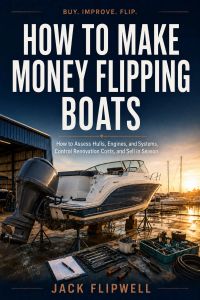
How to Make Money Flipping Boats - How to Assess Hulls, Engines, and Systems, Control Renovation Costs, and Sell in SeasonJACK FLIPWELL2h 1m$7.70 · $0.00

Jak zarabiać na kupnie, odnawianiu i sprzedaży kamperów oraz przyczep kempingowych - Jak oceniać konstrukcję i instalacje, planować opłacalne renowacje oraz bezpiecznie sprzedawaćJACK FLIPWELL2h 5m$7.70 · $0.00

How to Make Money Flipping Motorhomes and Travel Trailers - How to Assess Structure and Systems, Plan Profitable Renovations, and Resell SafelyJACK FLIPWELL2h 2m$7.70 · $0.00
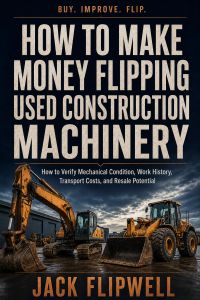
How to Make Money Flipping Used Construction Machinery - How to Verify Mechanical Condition, Work History, Transport Costs, and Resale PotentialJACK FLIPWELL2h 5m$7.70 · $0.00
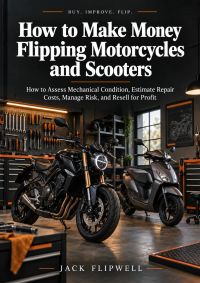
How to Make Money Flipping Motorcycles and Scooters - How to Assess Mechanical Condition, Estimate Repair Costs, Manage Risk, and Resell for ProfitJACK FLIPWELL8h 9m$7.70 · $0.00

Jak zarabiać na kupnie, naprawie i sprzedaży motocykli oraz skuterów - Jak oceniać stan techniczny, szacować koszty napraw, ograniczać ryzyko i sprzedawać z zyskiemJACK FLIPWELL7h 58m$7.70 · $0.00

Jak zarabiać na kupnie i sprzedaży używanych maszyn budowlanych - Jak weryfikować stan techniczny, historię pracy, koszty transportu i potencjał odsprzedażyJACK FLIPWELL2h 5m$7.70 · $0.00

Jak zarabiać na kupnie i sprzedaży używanych książek - Jak rozpoznawać wartościowe wydania, oceniać stan, tworzyć opłacalne zestawy i sprzedawać właściwym czytelnikomJACK FLIPWELL8h 32m$7.70 · $0.00
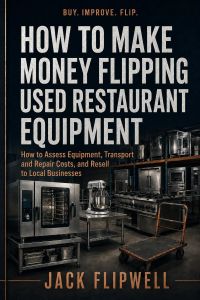
How to Make Money Flipping Used Restaurant Equipment - How to Assess Equipment, Transport and Repair Costs, and Resell to Local BusinessesJACK FLIPWELL1h 57m$7.70 · $0.00

Jak zarabiać na kupnie i sprzedaży używanego wyposażenia gastronomicznego - Jak oceniać urządzenia, koszty transportu i napraw oraz sprzedawać wyposażenie lokalnym firmomJACK FLIPWELL2h$7.70 · $0.00

Jak zarabiać na kupnie i sprzedaży sprzętu turystycznego oraz kempingowego - Jak wybierać markowy ekwipunek, sprawdzać jego stan, kompletować zestawy i wykorzystywać sezonowy popytJACK FLIPWELL8h 24m$7.80 · $0.00
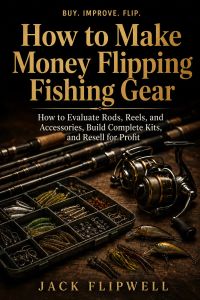
How to Make Money Flipping Fishing Gear - How to Evaluate Rods, Reels, and Accessories, Build Complete Kits, and Resell for ProfitJACK FLIPWELL6h 41m$7.80 · $0.00
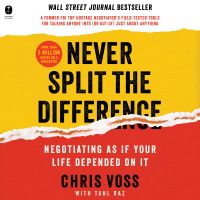
Never Split the DifferenceChris Voss, Tahl Raz8h 7m4.4 (277.7K)$26 · $0.00
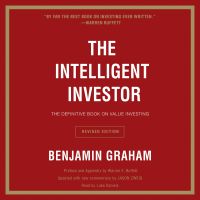
The Intelligent Investor Rev Ed.Benjamin Graham17h 48m4.3 (191.5K)$40 · $0.00
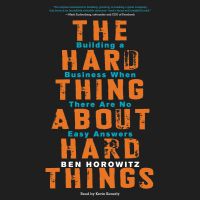
The Hard Thing About Hard ThingsBen Horowitz7h 57m4.2 (134.3K)$26 · $0.00
Boundaries for LeadersHenry Cloud7h 36m4.3 (3.6K)$26 · $0.00
Not Everything Counts but Everything Matters: The powerful and inspirational new book about leadership and achieving success from the visionary multi-premiership winning Panthers coachIvan Cleary6h 1m4.6 (680)$24 · $0.00
BuildTony Fadell11h 5m4.5 (14.3K)$8 · $0.00
The Joys Of CompoundingGautam Baid17h 34m4.5 (2.5K)$18 · $0.00
Basic EconomicsThomas Sowell18h 32m4.5 (29.3K)$28 · $0.00
Poor Charlie’s AlmanackGrover Gardener, Charles T. Munger13h 9m4.5 (24.7K)$18 · $0.00
The Ambuja StoryNarotam Sekhsaria13h 59m4.5 (830)$33 · $0.00

The Secret Door to SuccessFlorence Scovel Shinn2h 25m4.5 (2.1K)$1.20 · $0.00

This Is Going to HurtAdam Kay5h 47m4.4 (444.7K)$24 · $0.00

Big TrustShadé Zahrai, Fayçal Sekkouah8h 36m4.6 (406)$26 · $0.00
The Intelligent Investor Third EditionBenjamin Graham, Jason Zweig20h4.4 (156.6K)$46 · $0.00

Bottle of LiesKatherine Eban14h 25m4.4 (12K)$33 · $0.00

The Antiracist Business BookTrudi Lebrón6h 10m4.6 (275)$17 · $0.00
The FormulaJoshua Robinson, Jonathan Clegg10h 41m4.4 (6.9K)$29 · $0.00
Let Them LeadJohn U. Bacon7h 10m4.5 (1.4K)$24 · $0.00

Secrets of the Millionaire MindT. Harv Eker5h 11m4.4 (301.4K)$24 · $0.00
The Person You Mean to BeDolly Chugh9h 6m4.4 (7.2K)$29 · $0.00
You may also like
Great by ChoiceJim Collins, Morten T. Hansen8h 45m4.2 (26.1K)$26 · $0.00

Septic SenseImad Muratspahic3h 31m$11 · $0.00

Termite AlertImad Muratspahic3h 40m$12 · $0.00
HVAC and Motor Controls Field WorkbookDale Mattingly12h 43m4.6 (12)$60
How to Make Money Flipping Tractors and Farm Machinery - How to Assess Mechanical Condition, Documentation, Repair Costs, and Seasonal DemandJACK FLIPWELL2h$7.80 · $0.00
Petroleum Fluids and Production MethodsCallum Braithwaite14h 57m$85

Tea-Blending as a Fine ArtJoseph M. Walsh2h 37m$2 · $0.00

Get Rid of Mice for GoodImad Muratspahic3h 46m$11 · $0.00

Refinish Hardwood Floors YourselfImad Muratspahic2h 57m$12 · $0.00

Contagious Abortion of CowsWard J. MacNeal41m$2 · $0.00
How to Make Money Flipping Liquidation Pallets - How to Read Manifests, Estimate Recovery Value, Avoid Bad Loads, and Resell Inventory Piece by PieceJACK FLIPWELL8h 36m$7.90 · $0.00

The Mysteries of Modern LondonGeorge R. Sims8h 48m$2 · $0.00

Colour vision : Being the Tyndall Lectures delivered in 1894 at the Royal InstitutionSir William de Wiveleslie Abney4h 47m$1 · $0.00

Lectures on Stellar StatisticsC. V. L. Charlier2h 45m$2 · $0.00
Another One Bites the DustBill Brown Jr.22m$2
How to Make Money Flipping Motorcycles and Scooters - How to Assess Mechanical Condition, Estimate Repair Costs, Manage Risk, and Resell for ProfitJACK FLIPWELL8h 9m$7.70 · $0.00
Discounted Cash Flow BudgetingEvan J. Patel8h 20m$6.40 · $0.00

ARDMS Vascular Technology Exam Study GuideMarie Peterson9h 15m$10
1025R Compact Tractor Service & Repair Manual for BeginnersChris Anders4h 16m$9.50 · $0.00
The Solution of the Pyramid Problem; or, Pyramid DiscoveriesRobert Ballard2h 14m3.3 (12)$2 · $0.00