
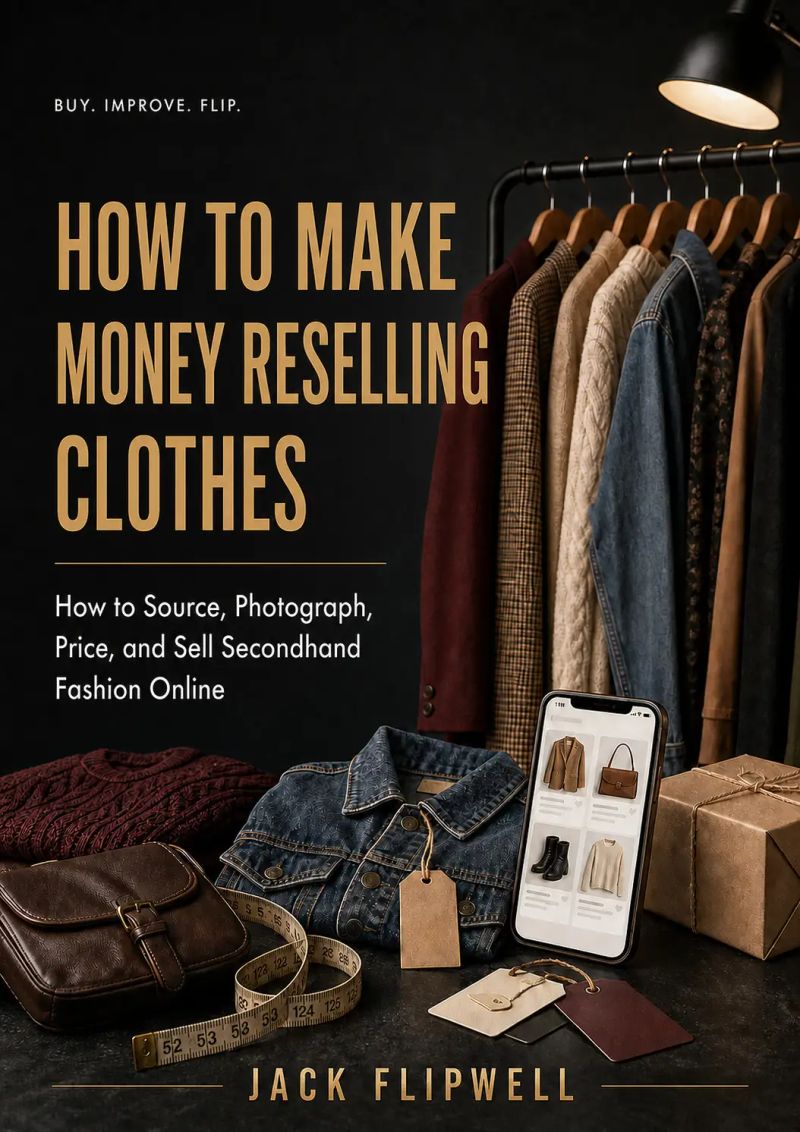
How to Make Money Reselling Clothes - How to Source, Photograph, Price, and Sell Secondhand Fashion Online
By JACK FLIPWELL


Length5h 3m
About this audiobook
Can you really make money reselling secondhand clothes, or have all the best opportunities already been found?
Every day, thousands of jackets, dresses, sneakers, coats, jeans, sweaters, and accessories change hands for prices that do not always reflect their real resale potential. The opportunity is not simply to buy cheap clothing and list it for more. The opportunity comes from understanding demand, condition, pricing, presentation, and inventory better than the average seller.
How to Make Money Reselling Clothes is a practical guide to secondhand fashion flipping for anyone who wants to source undervalued items, prepare them properly, sell them online, and build margin without depending on lucky one-off finds.
JACK FLIPWELL takes you through the complete resale process, from the first sourcing decision to the final profit calculation. You will learn how to research demand, compare real market prices, choose brands and categories, evaluate materials and sizes, assess defects, reduce counterfeit risk, and calculate the maximum price you can afford to pay.
The book explains how to clean and prepare used clothing without damaging it, when repairs make financial sense, how to take consistent measurements, and how to photograph products so buyers can understand what they are purchasing. You will learn to create listings that are searchable, concise, accurate, and complete without relying on hype or misleading claims.
Pricing receives the same practical treatment. Instead of guessing, you will learn to work with realistic selling ranges, minimum acceptable prices, negotiation room, seasonal demand, and expected holding periods. You will see why a slower sale with a higher margin is not always better than a faster sale that returns your capital sooner.
The book also covers platform selection, cross-listing, shipping, packing, returns, complaints, customer service, fraud prevention, and marketplace risk. You will learn why the same product may perform very differently on two selling platforms and why every additional channel should be evaluated by net contribution, not simply by the number of users it offers.
A major part of the book focuses on numbers. You will learn how to track acquisition costs, cleaning, repairs, packaging, selling expenses, returns, holding time, and inventory value. You will see why the difference between purchase price and selling price is not the same as profit, how dead stock can quietly absorb cash, and why a full shelf can coexist with poor liquidity.
The later chapters explain how to scale without losing control. You will learn how to create inventory codes, storage locations, work queues, weekly operating routines, sourcing limits, and aging-stock policies. The book shows when automation and delegation make sense and when they simply make a weak process more expensive.
You will also learn to manage working capital, maintain reserves, test weaker financial scenarios, and avoid turning every successful payout immediately into more inventory. A profitable resale operation still needs liquidity. Growth is only useful when the business can continue paying its obligations and buying future opportunities without being forced to clear good inventory cheaply.
This is not a promise of easy money. It is not a list of twenty brands that supposedly guarantee profit. Fashion trends change, marketplace rules change, and a product that sells quickly today may become ordinary tomorrow. The book instead gives you a framework for answering the questions that matter: Is there real demand? What can this item realistically sell for? What is the full cost? How long might the capital remain tied up? When should I buy, negotiate, discount, or walk away?
The book also explains why regular commercial reselling may create tax, consumer-law, recordkeeping, business-registration, and platform obligations depending on your jurisdiction and legal status. Readers are encouraged to verify current official rules and obtain qualified professional advice where appropriate. The book is educational and does not pretend to provide individualized legal or tax advice.
Whether you want to resell a few carefully selected items each month, build a profitable side business, or develop a larger structured inventory operation, How to Make Money Reselling Clothes gives you a practical system for doing it with greater control.
BUY. IMPROVE. FLIP. Find the Deal. Add the Value. Keep the Margin.
Artificial intelligence tools were used as part of the writing, editing, structuring, and development process for this publication. The material was prepared as practical educational content and does not constitute individualized legal, tax, accounting, or financial advice. Marketplace policies, tax regulations, consumer rights, and business requirements may change and should always be verified using current official sources applicable to the reader's jurisdiction.
Audiobook details
GenreBusiness and Economics
Length5 hrs 3 mins
Narrated byListen with 1,000+ voices
FormateBook with Audio
Publish dateSep 25, 2026
LanguageEnglish
Table of contents
1INTRO
2Chapter 1 - Start With the Market, Not the Rack
3Chapter 2 - Condition, Defects, and Authenticity - Do Not Buy Problems You Cannot Price
4Chapter 3 - Cleaning and Preparation - Add Value Without Damaging the Inventory
5Chapter 4 - Measurements and Photography - Build a Listing Buyers Can Trust
Show all chaptersShow less
6Chapter 5 - Write Listings That Sell - Titles, Descriptions, and Useful Information
7Chapter 6 - Pricing and Platforms - Sell for Margin, Not Hope
8Chapter 7 - Packing and Shipping - Profit Is Not Real Until the Item Arrives Safely
9Chapter 8 - Returns, Complaints, and Customer Service - Protect Margin Without Fighting Every Buyer
10Chapter 9 - Cost Tracking and Real Profit - Count Everything That Reduces Margin
11Chapter 10 - Taxes and Business Formalities - Regular Reselling Needs a Legal Foundation
12Chapter 11 - Scale Without Creating Chaos
13Chapter 12 - Capital, Liquidity, and Inventory - Do Not Let Profit Get Trapped on the Shelves
14Chapter 13 - Sourcing Inventory - Build Supply Channels Instead of Chasing Random Deals
15Chapter 14 - Specialization and Data - Build an Advantage Buyers Cannot See
16Chapter 15 - Negotiation, Promotions, and Aging Inventory - Recover Capital Without Giving Away Margin
17Chapter 16 - Build a Weekly Operating System - Turn Individual Sales Into a Repeatable Operation
18Chapter 17 - Transaction Security and Fraud - Protect Your Account, Money, and Inventory
19Chapter 18 - Optimize Profitability - Earn More Through Better Decisions, Not More Chaos
20Chapter 19 - Build a 12-Month Strategy - Manage the Result, Not the Listing Count
21Chapter 20 - From the First Item to a Repeatable Business - The Complete Resale Model

How to Make Money Flipping Houses - How to Find Undervalued Properties, Control Renovation Costs, and Sell at the Right PriceJACK FLIPWELL4h 31m$7.70 · $0.00

Jak zarabiać na samochodach używanych - Jak znajdować okazje, szacować koszty i bezpiecznie sprzedawać auta z zyskiemJACK FLIPWELL4h 45m$7.70 · $0.00

Jak zarabiać na odsprzedaży iPhone’ów - Jak kupować poniżej ceny rynkowej, wykrywać wady i sprzedawać z zyskiemJACK FLIPWELL5h 30m$7.70 · $0.00

Jak zarabiać na flipach mieszkaniowych - Jak znajdować niedoszacowane nieruchomości, kontrolować koszty remontu i sprzedawać we właściwej cenieJACK FLIPWELL4h 54m$7.70 · $0.00

Jak zarabiać na używanej elektronice - Jak kupować, testować, wyceniać i sprzedawać smartfony, laptopy, tablety oraz konsoleJACK FLIPWELL5h4.7 (12)$7.70 · $0.00
How to Make Money Flipping Furniture - Turn Cheap and Forgotten Pieces into Products Buyers WantJACK FLIPWELL4h 26m$7.70 · $0.00

How to Make Money Flipping Almost Anything - A Complete System for Finding Deals, Calculating Margins, and Building Repeatable IncomeJACK FLIPWELL5h 57m$7.70 · $0.00

Jak zarabiać na odsprzedaży sneakersów - Przewodnik po wyszukiwaniu okazji, sprawdzaniu autentyczności i dochodowej sprzedażyJACK FLIPWELL4h 32m$7.70 · $0.00

How to Make Money Flipping Used Electronics - How to Buy, Test, Price, and Resell Phones, Laptops, Tablets, and Game ConsolesJACK FLIPWELL4h 22m$7.70 · $0.00

Jak zarabiać na odsprzedaży niemal wszystkiego - Kompletny system wyszukiwania okazji, obliczania marży i budowania powtarzalnego dochoduJACK FLIPWELL5h 29m$7.70 · $0.00

Jak zarabiać na odnawianiu i sprzedaży mebli - Jak zamieniać tanie i zapomniane przedmioty w produkty, które ludzie chcą kupowaćJACK FLIPWELL4h 49m$7.70 · $0.00
How to Make Money Flipping Watches - How to Spot Valuable Models, Avoid Fakes, and Resell with ConfidenceJACK FLIPWELL5h 45m$7.70 · $0.00
How to Make Money Flipping Used Cars - A Beginner's Guide to Finding Deals, Estimating Costs, and Selling Safely for ProfitJACK FLIPWELL4h 24m$7.70 · $0.00

Jak zarabiać na ubraniach z drugiej ręki - Jak wyszukiwać, fotografować, wyceniać i sprzedawać używaną modę w internecieJACK FLIPWELL4h 49m$7.70 · $0.00
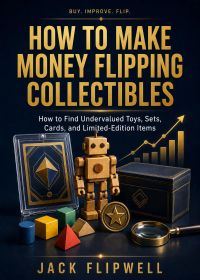
How to Make Money Flipping Collectibles - How to Find Undervalued Toys, Sets, Cards, and Limited-Edition ItemsJACK FLIPWELL6h 30m$7.70 · $0.00

Jak zarabiać na przedmiotach kolekcjonerskich - Jak znajdować niedoszacowane zabawki, zestawy, karty i limitowane przedmiotyJACK FLIPWELL5h 5m$7.70 · $0.00

Jak zarabiać na kupowaniu i sprzedaży zegarków - Jak rozpoznawać wartościowe modele, unikać podróbek i sprzedawać z odpowiednią marżąJACK FLIPWELL4h 56m$7.70 · $0.00
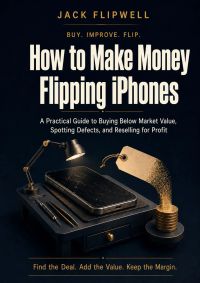
How to Make Money Flipping iPhones - A Practical Guide to Buying Below Market Value, Spotting Defects, and Reselling for ProfitJACK FLIPWELL5h 17m$7.70 · $0.00

Jak zarabiać na kupnie, odnawianiu i sprzedaży łodzi - Jak oceniać kadłub, silnik i instalacje, kontrolować koszty renowacji oraz sprzedawać w sezonieJACK FLIPWELL2h 7m$7.70 · $0.00
Never Split the DifferenceChris Voss, Tahl Raz8h 7m4.4 (277.7K)$26 · $0.00
The Intelligent Investor Rev Ed.Benjamin Graham17h 48m4.3 (191.5K)$40 · $0.00
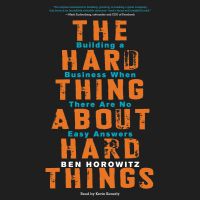
The Hard Thing About Hard ThingsBen Horowitz7h 57m4.2 (134.3K)$26 · $0.00

Boundaries for LeadersHenry Cloud7h 36m4.3 (3.6K)$26 · $0.00

Not Everything Counts but Everything Matters: The powerful and inspirational new book about leadership and achieving success from the visionary multi-premiership winning Panthers coachIvan Cleary6h 1m4.6 (680)$24 · $0.00
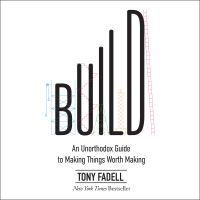
BuildTony Fadell11h 5m4.5 (14.3K)$8 · $0.00
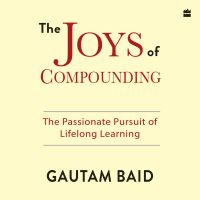
The Joys Of CompoundingGautam Baid17h 34m4.5 (2.5K)$18 · $0.00
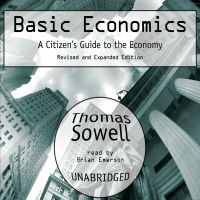
Basic EconomicsThomas Sowell18h 32m4.5 (29.3K)$28 · $0.00

Poor Charlie’s AlmanackGrover Gardener, Charles T. Munger13h 9m4.5 (24.7K)$18 · $0.00

The Ambuja StoryNarotam Sekhsaria13h 59m4.5 (830)$33 · $0.00

The Secret Door to SuccessFlorence Scovel Shinn2h 25m4.5 (2.1K)$1.20 · $0.00

This Is Going to HurtAdam Kay5h 47m4.4 (444.7K)$24 · $0.00

Big TrustShadé Zahrai, Fayçal Sekkouah8h 36m4.6 (406)$26 · $0.00
The Intelligent Investor Third EditionBenjamin Graham, Jason Zweig20h4.4 (156.6K)$46 · $0.00

Bottle of LiesKatherine Eban14h 25m4.4 (12K)$33 · $0.00

The Antiracist Business BookTrudi Lebrón6h 10m4.6 (275)$17 · $0.00
The FormulaJoshua Robinson, Jonathan Clegg10h 41m4.4 (6.9K)$29 · $0.00

Let Them LeadJohn U. Bacon7h 10m4.5 (1.4K)$24 · $0.00

Secrets of the Millionaire MindT. Harv Eker5h 11m4.4 (301.4K)$24 · $0.00

The Person You Mean to BeDolly Chugh9h 6m4.4 (7.2K)$29 · $0.00
You may also like

Elements of ChemistryAntoine Lavoisier12h 24m4.1 (685)$9.10 · $0.00

Hegel: Lectures on PhilosophyGeorg Wilhelm Friedrich Hegel86h 27m4.1 (12.7K)$2 · $0.00
Chained To YouBill Brown Jr.1h 17m4.8 (10)$10

Time and Clocks: A Description of Ancient and Modern Methods of Measuring TimeSir Henry H. Cunynghame4h 30m3.8 (16)$1 · $0.00

I am learning DutchJM Gardner3h 56m$18 · $0.00

The Story of ElectricityJohn Munro6h 10m3.6 (18)$6 · $0.00

The Booklover and His BooksHarry Lyman Koopman2h 13m4.1 (18)$2.30
Airbnb: How to Start Investing, Managing, and Profiting From a Short-term Rental Busine (Quit Your Day Job and Earn Full-time Income on Autopilot With a Profitable Airbnb Business Even if You’re an Absolute Beginner)William Cintron1h 37m$3.50 · $0.00

City LightsVictoria Charles1h 10m$12 · $0.00

On the various forces of nature and their relations to each otherMichael Faraday8h 31m$2 · $0.00

Encaustic ArtJennifer Margell3h 38m4.2 (33)$15 · $0.00

ICC F12 General Building Contractor Exam Study GuideMarie Peterson9h 53m$10

The History Of Steam NavigationJohn Kennedy10h 13m$2.30

Questions at Issue in Our English SpeechEdwin W. Bowen4h 31m$1 · $0.00

The Knitting Enthusiast's Library: 17 Must-Have BooksEléonore Riego de la Branchardière, Bertha Thompson, Mary A. McCormack, H. P. Ryder, Miss Lambert, H. D. Buck, William M.A. Davis, Elvina Mary Corbould, American Thread Company, George Mrs. Cupples25h 55m4.3 (11)$1.99 · $0.00

Practical Organ BuildingW. E. Dickson4h 30m$1 · $0.00
Fun, Fun, FunBill Brown Jr.46m$5

Hallelujah – Fingerstyle SoloBill Brown Jr.35m$4

God Bless AmericaBill Brown Jr.18m$2

For Once In My LifeBill Brown Jr.56m$5