About this audiobook
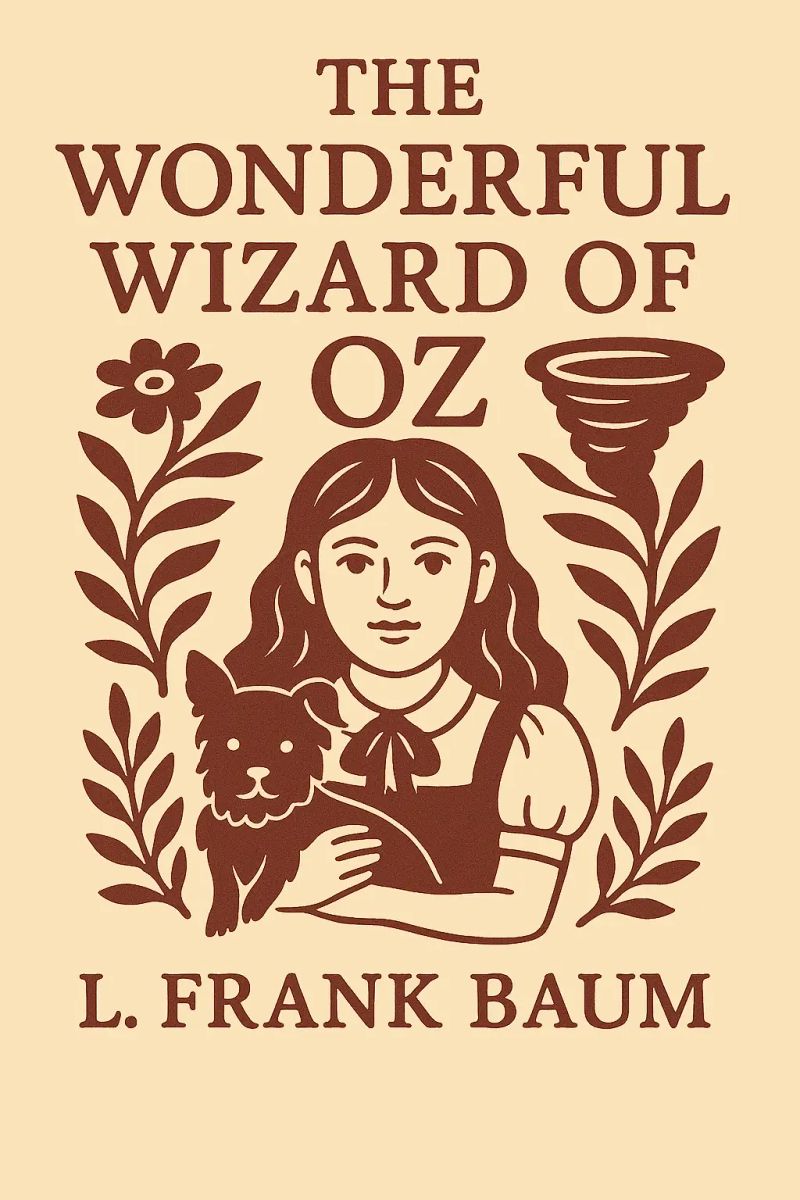
Published in 1900, The Wonderful Wizard of Oz sits at a formative moment in American children's literature. L. Frank Baum, an American novelist, journalist, and former stage impresario, brought to the project experience in late nineteenth-century popular entertainment—vaudeville, illustrated magazines, and theatrical productions—that shaped its brisk pacing, vivid staging, and use of color. Written in English for a broad juvenile audience, the book emerged from Baum’s turn-of-the-century American milieu, including the Kansas frontier setting and the optimism and anxieties of modernization. The cyclone episode and the journey from the gray prairie into an imagined land of wonders reflect contemporary concerns with mobility, reform, and self-definition within a rapidly expanding republic. The text was published by the George M. Hill Company in Chicago, with illustrations by W. W. Denslow, and its combination of popular spectacle and accessible prose helped it reach a mass audience and endure as a cultural fixture.
Thematically, Oz constructs a compact moral and imaginative program that has influenced later fantasy and children’s fiction. Dorothy’s quest—associating courage, heart, and brains with experience rather than magical endowment—renders virtue inseparable from self-reliance and collaboration. The companions she travels with—Scarecrow, Tin Woodman, and Cowardly Lion—embody aspirational traits that are tested and affirmed through practical problem solving in a perilous, rule-bound fantasy geography. The setting of Oz, with its benevolent witches, capricious rulers, and a seemingly all-powerful Wizard who proves merely ordinary, invites ironic scrutiny of power, authority, and the reception of “help” from above. The work’s lasting influence extends beyond its initial audience: it generated a durable mythos, inspired numerous sequels, and informed generations of readers and creators, most famously through MGM’s 1939 adaptation, which embedded the story in the broader popular imagination while raising its themes of home, agency, and identity to cinematic prominence.