About this audiobook
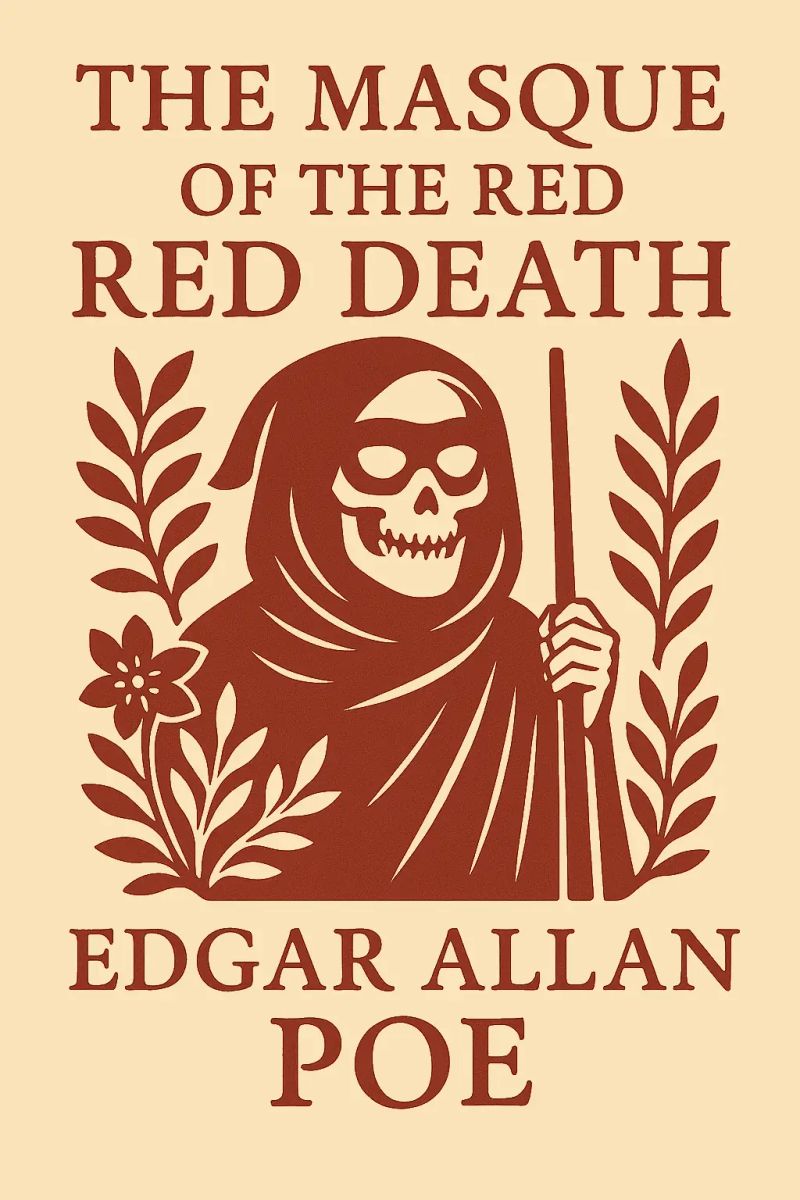
Edgar Allan Poe, an American writer of the antebellum period, emerges within the orbit of American Romanticism and the burgeoning magazine culture that defined mid‑century literary publics. Born in 1809, Poe crafted a career as a professional author and critic, shaping a distinct mode of Gothic fiction characterized by meticulous atmosphere, macabre irony, and a tightly controlled emotional effect. The Masque of the Red Death, published in 1842 in a popular American periodical, reflects Poe's apprenticeship in the short story form and his deft command of English prose. The tale participates in the broader Gothic and speculative tradition while relocating it to a distinctly American setting: a regal abbey, a pestilence abroad, and a masque that literalizes an allegory of time, mortality, and social ritual. Its language—clear, ceremonious, and richly suggestive—registers the century's fascination with medievalism, masquerade, and symbol, while the narrative embodies Poe's theoretical insistence on the unity of impression or a single effect achieved through architecture of imagery, color, sound, and space. Composed for a mass readership in a periodical economy, the story exemplifies Poe's mastery of the short form as a vehicle for psychological horror and metaphysical speculation.