About this audiobook
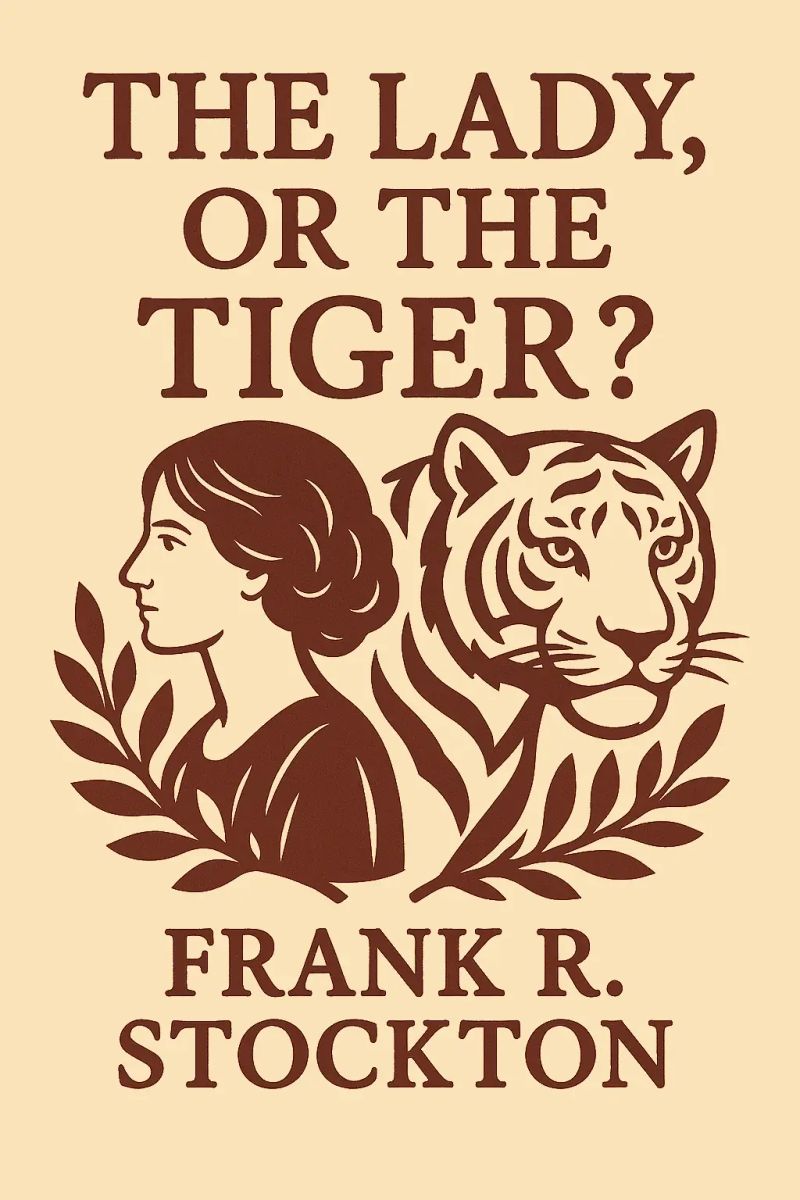
Frank R. Stockton’s “The Lady, or the Tiger?” is an American short story first published in 1882 during the late nineteenth-century boom in mass-circulation magazines, a period when popular periodical fiction helped define national literary taste. Stockton (1834–1902), associated with the humorists and entertainers of the Gilded Age, wrote in an accessible, ironic style that often used fantastical premises to probe social conventions. The tale’s pseudo-antique setting—its “semi-barbaric” court and theatrical arena—reflects a common Victorian practice of distancing contemporary anxieties through exoticized historical backdrops, while its polished narration and moralized spectacle align with the era’s fascination with both progress and cruelty under the guise of refinement.
The story’s enduring power lies in its rigorously constructed moral dilemma and its deliberate refusal to resolve it: love, jealousy, and justice are staged as competing imperatives within a system that claims “fairness” through chance while in fact dramatizing authoritarian control. Stockton juxtaposes the rhetoric of impartiality with the manipulative realities of power and desire, making the princess’s knowledge of the doors a focal point for questions about agency, gendered passion, and the ethics of choosing another’s fate. Its famously ambiguous ending has made it a staple of classroom discussion and critical commentary, influential less for plot than for method: it exemplifies how narrative indeterminacy can force readers to confront their own assumptions about human nature and the stories societies tell to legitimize punishment and reward.