About this audiobook
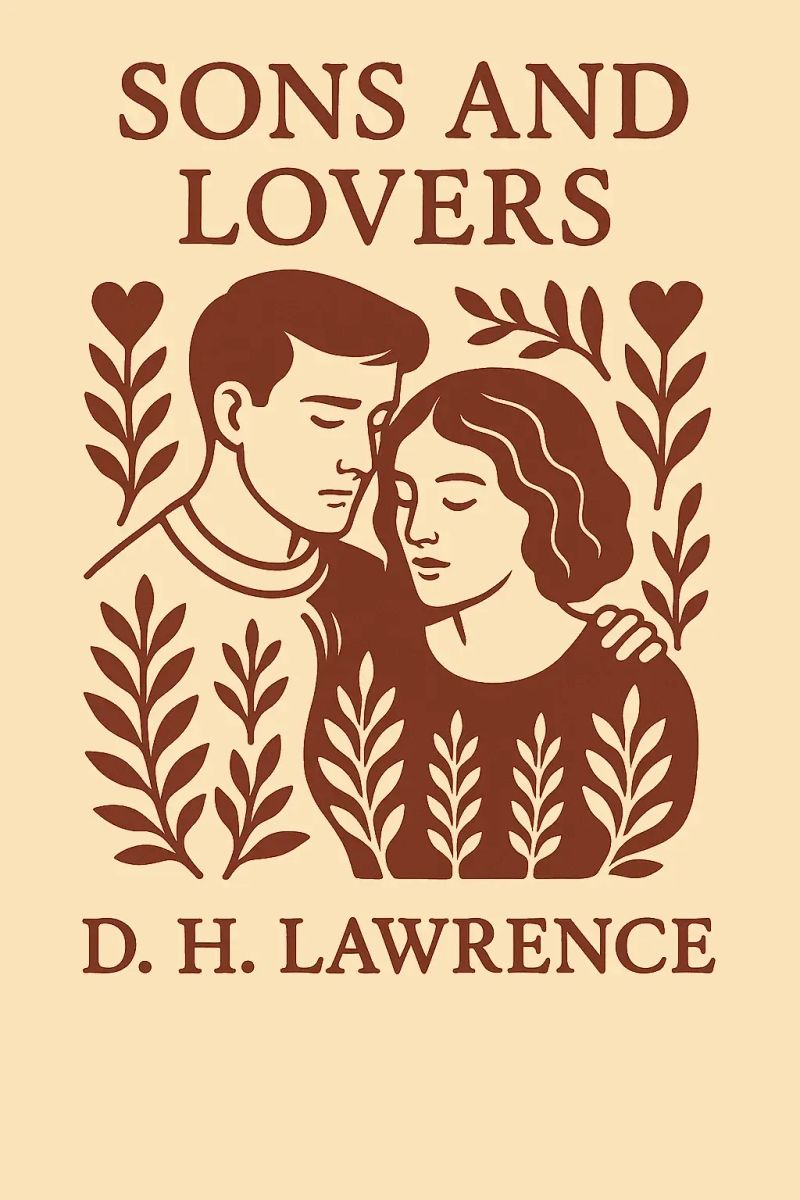
D. H. Lawrence’s Sons and Lovers (1913) is an English novel written at the height of early twentieth-century British literary modernism and first published in book form after earlier serial appearances. Lawrence, a Nottinghamshire writer from a coal-mining community, drew directly on the social and industrial landscape of the English Midlands as it was reshaped by late Victorian and Edwardian mining capitalism. The opening’s detailed rendering of pit villages, company housing, and the domestic economy of a miner’s household situates the narrative within a historically specific working-class milieu, while also registering the cultural tensions between aspiration, respectability, and the material constraints of industrial life.
Centered on the Morel family, the novel develops an influential psychological realism through its scrutiny of marriage, maternity, and the formative pressures of class and place on individual desire. Lawrence anatomizes the emotional triangulations binding mother, sons, and father, exploring how intimacy may become possessive and how erotic and creative energies are shaped, diverted, or stifled by familial attachment and social circumstance. Its frank treatment of sexuality, its melding of naturalistic social observation with lyrical interiority, and its sustained attention to the conflicted emergence of the artist figure helped establish the novel as a landmark of modern English fiction and a key precursor to later psychoanalytic and feminist readings of family, gender, and identity.