About this audiobook
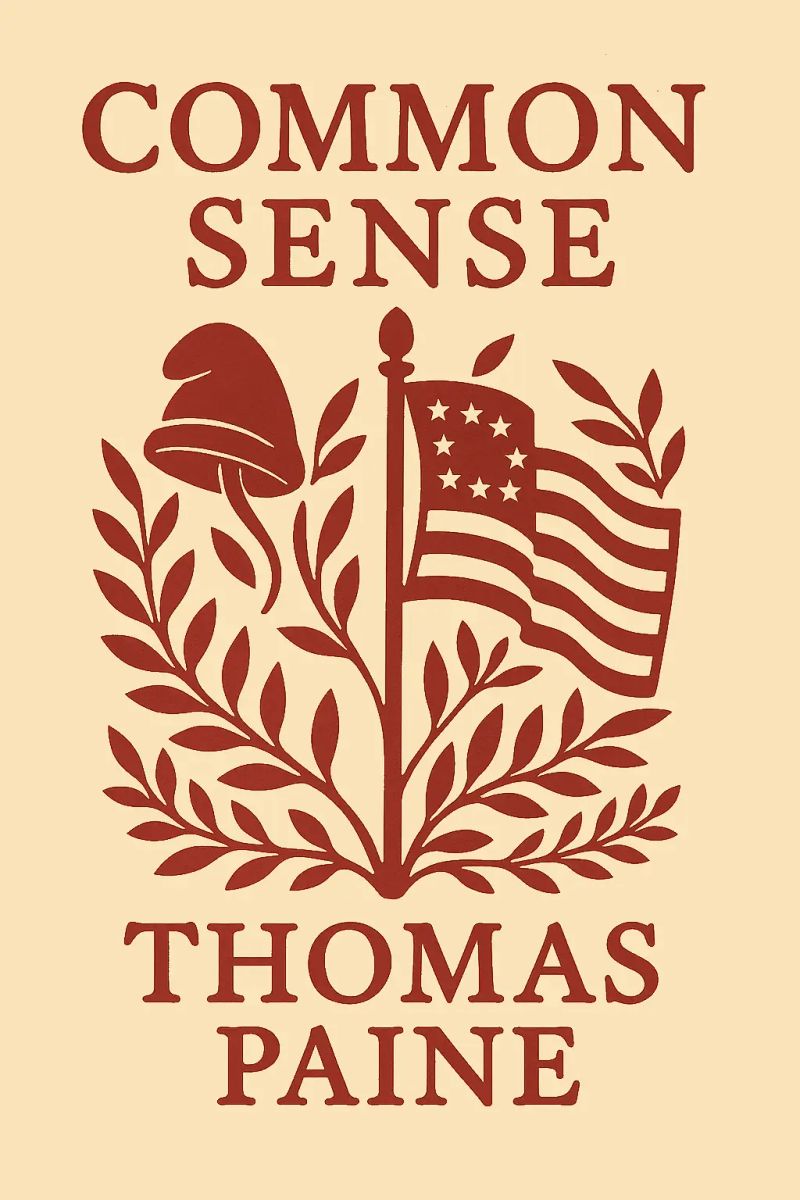
Published in January 1776, Thomas Paine’s pamphlet Common Sense emerged at a pivotal moment in the American colonies’ struggle with Britain. The work was written in clear, direct prose that could be understood by a broad audience, departing from the dense, formal style typical of political writing of the era. Paine, an English-born political theorist who had emigrated to America in 1774 with the help of Benjamin Franklin, drew on Enlightenment principles of natural rights and social contract theory to challenge the legitimacy of monarchy and hereditary rule. His timing was crucial: tensions between the colonies and the British Crown had intensified after acts of protest such as the Boston Tea Party and the outbreak of armed conflict at Lexington and Concord, but the idea of complete independence was still far from mainstream.
The themes of Common Sense centered on self-governance, the moral and practical failings of monarchy, and the political necessity of independence. Paine argued that the colonies had the natural right and capacity to determine their own political future, urging not just reform but a radical break from Britain. The pamphlet’s accessible language and forceful logic helped galvanize public opinion, spreading rapidly through both print and word-of-mouth and selling hundreds of thousands of copies within months. Its influence on the Continental Congress and the broader revolutionary movement was profound, shaping the ideological groundwork for the Declaration of Independence. Paine’s radical clarity and ability to distill complex political theory into persuasive, populist rhetoric made Common Sense one of the most consequential political writings of the eighteenth century.