About this audiobook
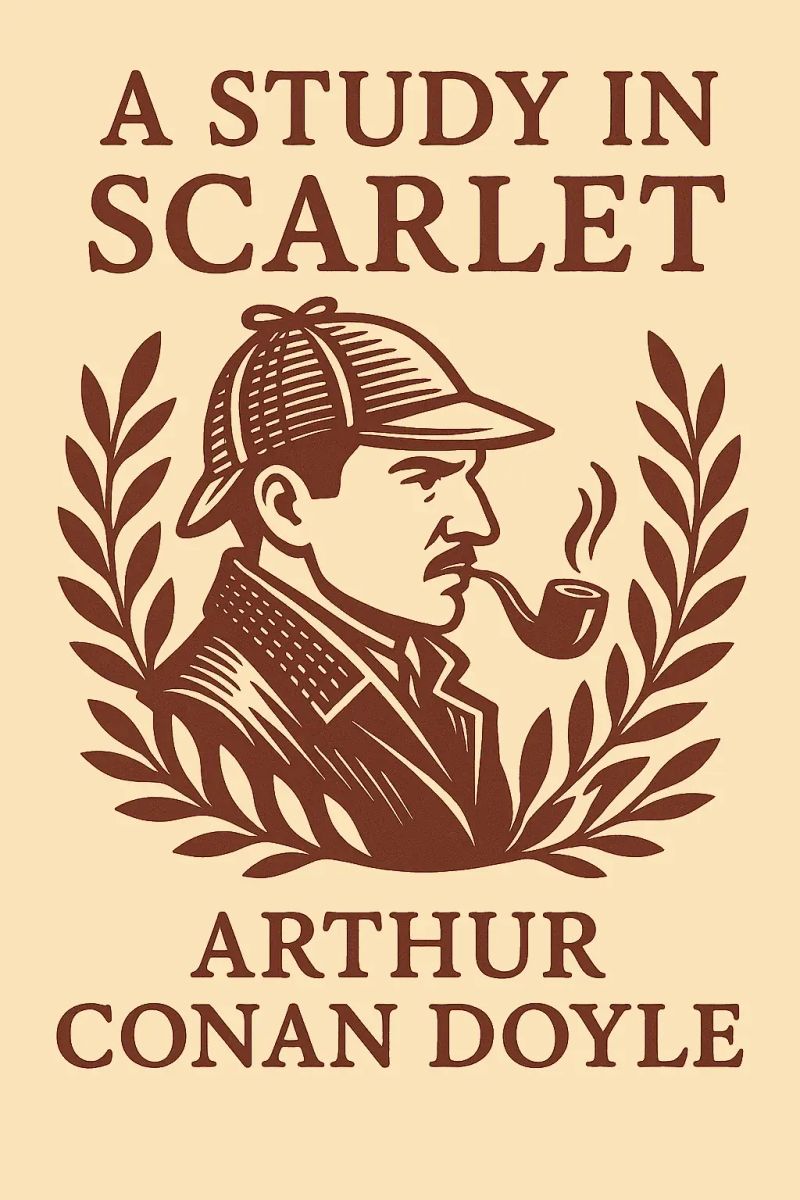
Arthur Conan Doyle, a Scottish physician turned writer, produced A Study in Scarlet at the height of late-Victorian British imperial confidence. Doyle trained as a physician at the University of Edinburgh and served as a surgeon before turning to fiction. The story, first published in 1887, introduced Sherlock Holmes as a consulting detective whose methods fuse observation, deduction, and science with a melodramatic sense of crime and justice. The setting—London's medical milieu, the Indian campaigns, and the imperial geography of Candahar and Peshawar—reflects the era's global reach and public appetite for frontier adventure tempered by rational inquiry. The English prose of the piece embodies the period's appetite for accessible yet technically informed narratives, and its publication context—Beeton's Christmas Annual in the United Kingdom and Lippincott's Monthly Magazine in the United States—positioned Holmes as a distinctly modern figure at the boundary between fiction and scientific reportage.